Running costs
Peugeot 2008 running costs: what UK ownership really costs
Peugeot 2008 UK running costs: fuel or electric, insurance group, road tax, servicing and depreciation.
Updated 19th September 2026 DVSA data: Across 143,521 recorded MOT tests, 20.1% failed.
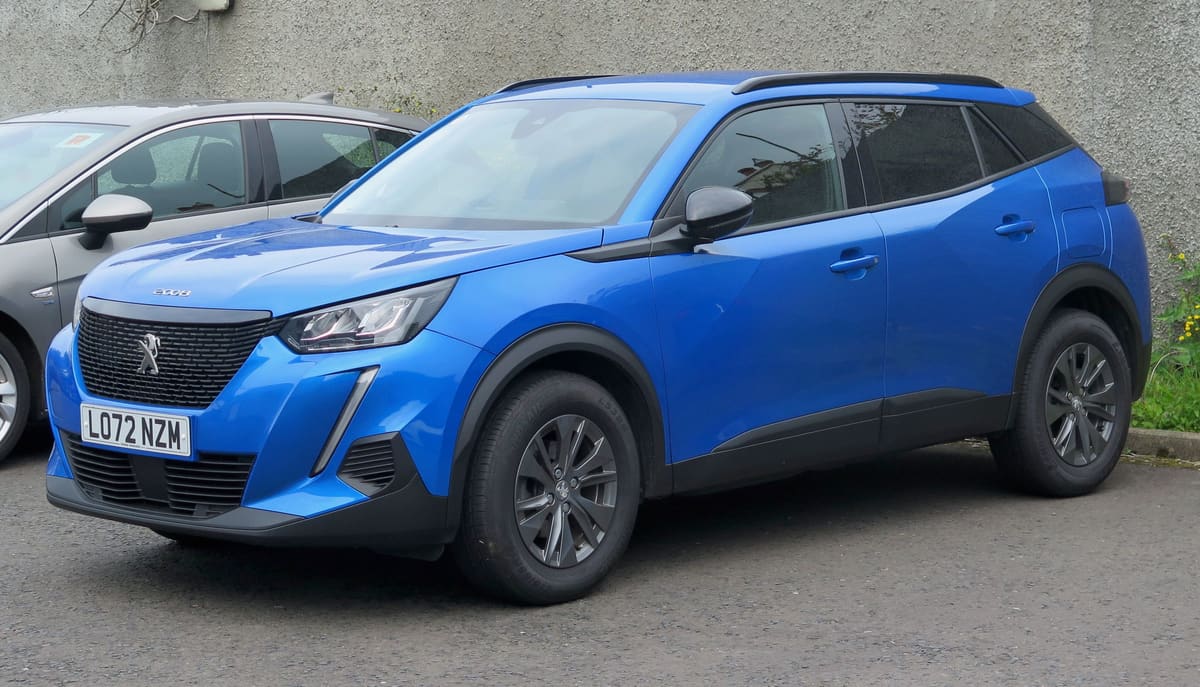
The Peugeot 2008’s running costs are influenced by factors such as its engine choice, insurance group, tax band, servicing schedule, and depreciation. Its tax treatment depends on emissions and fuel type, insurance costs vary with model and driver profile, servicing is generally straightforward but varies by engine, and its resale value is shaped by market demand and condition.
Vehicle Tax: How the Peugeot 2008 is Treated
Vehicle tax for the Peugeot 2008 depends primarily on the engine’s emissions and fuel type. Petrol and diesel versions are taxed differently, with diesel models often subject to stricter rules due to environmental concerns. Electric or plug-in hybrid variants benefit from lower or zero tax bands, reflecting government incentives to encourage cleaner vehicles.
The UK government’s vehicle tax system bases rates on CO2 emissions for petrol and diesel cars registered after a certain date. Lower emissions mean lower tax bands, while higher emissions push the vehicle into more expensive bands. For alternative fuel vehicles, such as electric or plug-in hybrids, the tax can be significantly reduced or even zero for the first year and then minimal thereafter.
Owners should consult the official government website to confirm the exact tax band for the specific Peugeot 2008 variant they are interested in, as trim levels and engine options affect emissions figures. This is important because tax rates can have a substantial impact on the annual cost of ownership.
Insurance Costs: What Influences the Peugeot 2008’s Insurance Group
The Peugeot 2008’s insurance group rating is determined by factors including engine size, performance, repair costs, and safety features. Models with more powerful engines or advanced technology may fall into higher insurance groups, increasing premiums. Conversely, smaller engines and basic trims typically attract lower insurance costs.
Insurance groups are assigned based on statistical data about claims and repair costs. A vehicle that is cheaper to repair or less likely to be involved in accidents will usually have a lower group number. The Peugeot 2008’s safety equipment, such as driver assistance systems and airbags, can help reduce insurance premiums by lowering the risk profile.
Driver-specific factors also influence insurance costs. Age, driving history, location, and annual mileage all play a role in determining the premium. Prospective buyers should obtain personalised insurance quotes to understand how the Peugeot 2008 will affect their insurance costs, as these can vary widely.
Servicing and Maintenance: What to Expect with the Peugeot 2008
Servicing the Peugeot 2008 is generally straightforward, with intervals and requirements depending on the engine type and mileage. Petrol engines tend to have simpler servicing needs, while diesel variants may require additional attention to components like particulate filters. Electric and hybrid models have different servicing demands, often involving battery checks and software updates.
Routine maintenance typically includes oil and filter changes, brake inspections, tyre checks, and fluid top-ups. Peugeot recommends specific service intervals, which owners should follow to maintain warranty coverage and ensure reliability. Some trims may have more advanced technology requiring specialised diagnostic tools during servicing.
Parts availability and labour costs can affect the overall servicing expense. Peugeot’s widespread dealer network in the UK means parts are generally accessible, but servicing at franchised dealers may be more expensive than independent garages. Owners should consider the balance between cost and quality when choosing where to service their 2008.
Fuel and Running Costs: What Drives Efficiency and Expense
Fuel costs for the Peugeot 2008 depend on the engine variant and driving style. Smaller petrol engines and electric or hybrid versions tend to be more economical, while larger diesel engines may offer better efficiency on longer journeys. Driving habits, traffic conditions, and terrain also influence fuel consumption.
The 2008’s design aims to balance performance with economy, but real-world figures vary by trim and engine. Urban driving with frequent stops can increase fuel consumption, whereas steady motorway cruising typically improves efficiency. Tyre choice and maintenance, such as keeping correct tyre pressures, also affect running costs.
Electric and plug-in hybrid models reduce fuel costs by relying on electricity for part or all of the journey, but charging infrastructure and electricity tariffs should be considered. Overall, understanding the specific variant’s fuel or energy consumption is key to estimating running costs accurately.
Depreciation and Resale Value: How Well the 2008 Holds Its Value
The Peugeot 2008’s resale value is influenced by factors such as model popularity, condition, mileage, and market trends. Generally, vehicles with strong demand, good reliability, and low running costs retain value better. The 2008’s position in the compact SUV segment helps it maintain appeal in the used car market.
Depreciation is typically steeper in the first few years, reflecting the new car price drop. After this initial period, values tend to stabilise. Well-maintained examples with full service history and minimal damage command higher prices. Trim levels with desirable features or lower emissions may also hold value better.
Market shifts towards electrification and environmental considerations can affect resale values, especially for diesel models. Buyers should consider how future regulations and fuel costs might impact the 2008’s desirability when planning ownership duration.
Summary of Running Cost Factors for the Peugeot 2008
Overall, the Peugeot 2008’s running costs are shaped by a combination of tax treatment, insurance group, servicing demands, fuel efficiency, and depreciation. Understanding how these elements interact helps buyers make informed decisions about which variant suits their budget and lifestyle. Checking official sources for tax rates and obtaining personalised insurance quotes are essential steps before purchase.
Peugeot 2008 recall record
39 recalls have been issued for the Peugeot 2008, between 2014 and 2026.
BCM software missing telltale if LKA unavailable
R/2026/183Issued 27 April 2026
On affected vehicles the Lane Keep Assist tell-tale fails to illuminate if the front camera is blocked meaning no warning light appears in the instrument cluster.
Remedy:Update the Body Control Module software.
Affects cars built Apr 2024 to Apr 2025
Alternator protection
R/2026/071Issued 9 March 2026
Affected vehicles may have been assembled with contact or with a reduced clearance between the Gasoline Particulate Filter pipe and the pole protection cap of the 48V Belt Starter Generator. There is a possibility of contact between these components leading to water infiltration and an electrical arch which could trigger a thermal event.
Remedy:Replace the pole protection cap of the 48V Belt Starter Generator. Check the distance between the Gasoline Particulate Filter pipe and the pole protection cap of the 48V Belt Starter Generator and re‑position or replace the pipe if required.
Affects cars built Jan 2024
Peugeot 2008v2 Partner ESC software.
R/2025/452Issued 22 October 2025
Affected vehicles may have incorrect or missing tyre pressure messages displayed in the instrument cluster due to a software deviation.
Remedy:Update the Electric Stability Control calibration to ensure the correct tyre pressure warning messages are displayed
Affects cars built Nov 2024 to Jun 2025
Emission recall – On Board Diagnostics
R/2025/344Issued 18 August 2025
Vehicles may be affected by incorrect performance of the On-Board-Diagnostics related to Selective Catalytic Reduction system and/or Diesel Particle Filter. The Malfunction Indicator Light (MIL) may not illuminate in the event of a malfunction and therefore does not comply with emission regulations.
Remedy:Update the Engine Control Unit software to ensure compliance to regulations.
Affects cars built Nov 2017 to Oct 2020
35 older recalls not shown.
A recall applies to a build range, not to every car of this model. Check a registration to see whether one specific vehicle has an outstanding recall.
Peugeot 2008 MOT record
From 143,521 recorded MOT tests, 20.1% failed.
| Registered | Tests | Failed | Median mileage |
|---|---|---|---|
| 2023 | 781 | 6.4% | 19,988 mi |
| 2022 | 14,624 | 7.5% | 22,720 mi |
| 2021 | 16,956 | 11.6% | 30,564 mi |
| 2020 | 11,382 | 11.0% | 34,326 mi |
| 2019 | 14,931 | 14.2% | 38,355 mi |
| 2018 | 15,736 | 18.9% | 45,958 mi |
| 2017 | 16,315 | 23.2% | 54,708 mi |
| 2016 | 17,896 | 26.3% | 61,968 mi |
Most common reasons for failure
- Tyre tread depth not in accordance with the requirements29.7%
- Brake disc or drum excessively weakened, insecure or fractured20.2%
- A transmission shaft constant velocity joint boot missing or no longer prevents the ingress of dirt etc17.6%
- A suspension pin, bush or joint excessively worn17.0%
- A tyre seriously damaged15.5%
Figures cover every Peugeot 2008 tested in the DVSA dataset, not this specific car. Check a registration for the actual history of one vehicle.
Peugeot 2008 official figures
Median across 34 variants on sale, electricity, petrol, petrol electric.
- Combined economy
- 48.5 mpg
- WLTP median across variants
- CO2 emissions
- 131 g/km
- Sets the first-year tax rate
- Electric range
- 229.5 miles
- Manufacturer WLTP figure
Official figures for new cars. Real economy varies with driving, load and conditions.
Frequently asked questions
What should I check to keep the Peugeot 2008's engine running efficiently?
Regularly inspect the timing belt for wear and replace it according to the manufacturer’s schedule. A worn timing belt can cause engine misfires or severe damage if it snaps. Also, keep an eye on the oil level and quality to ensure smooth engine performance.
How often does the Peugeot 2008 need brake pad replacement?
Brake pads on the Peugeot 2008 typically need checking every 10,000 miles or if you hear squealing noises when braking. Worn pads can cause reduced stopping power and damage to the brake discs, so it’s important to have them inspected during routine servicing.
Are there any specific warning lights I should watch for on the Peugeot 2008?
The engine management light is a key indicator to watch. If it illuminates, it could signal issues with components like the lambda sensor or turbocharger. Prompt diagnostics at a garage can prevent more serious engine problems.
Does the Peugeot 2008 require special attention to its battery?
Yes, especially for the electric or hybrid versions. Check the 12-volt battery terminals for corrosion and ensure the main battery cooling system is functioning properly. Faulty cooling can reduce battery life and affect overall vehicle reliability.
What maintenance is needed for the Peugeot 2008’s suspension system?
Inspect the shock absorbers and suspension bushes regularly for signs of wear or leaks. Worn suspension parts can cause uneven tyre wear and affect ride comfort. A garage can perform a suspension check during your service appointment.
How can I monitor tyre wear on the Peugeot 2008 to avoid extra costs?
Check the tread depth and look for uneven wear patterns, which might indicate alignment or suspension issues. Maintaining correct tyre pressure also helps extend tyre life and improves fuel efficiency.
Is there anything specific to watch for in the Peugeot 2008’s cooling system?
Keep an eye on the coolant level and condition, as well as the radiator and hoses for leaks or cracks. Overheating can damage the cylinder head gasket, so regular checks are important to avoid costly repairs.
What should I know about servicing the Peugeot 2008’s transmission?
For manual models, check the clutch for smooth engagement and listen for any unusual noises when changing gears. Automatic versions require fluid changes at intervals specified in the handbook to maintain smooth shifting and prevent transmission wear.
Sources
- DVSA anonymised MOT tests and results (Open Government Licence v3.0)
- VCA new car fuel consumption and emissions data (Open Government Licence v3.0)
- DVSA vehicle safety recalls (Open Government Licence v3.0)