Running costs
Vauxhall Mokka running costs: what UK ownership really costs
Vauxhall Mokka UK running costs: fuel or electric, insurance group, road tax, servicing and depreciation.
Updated 27th September 2026 DVSA data: Across 251,085 recorded MOT tests, 25.5% failed.
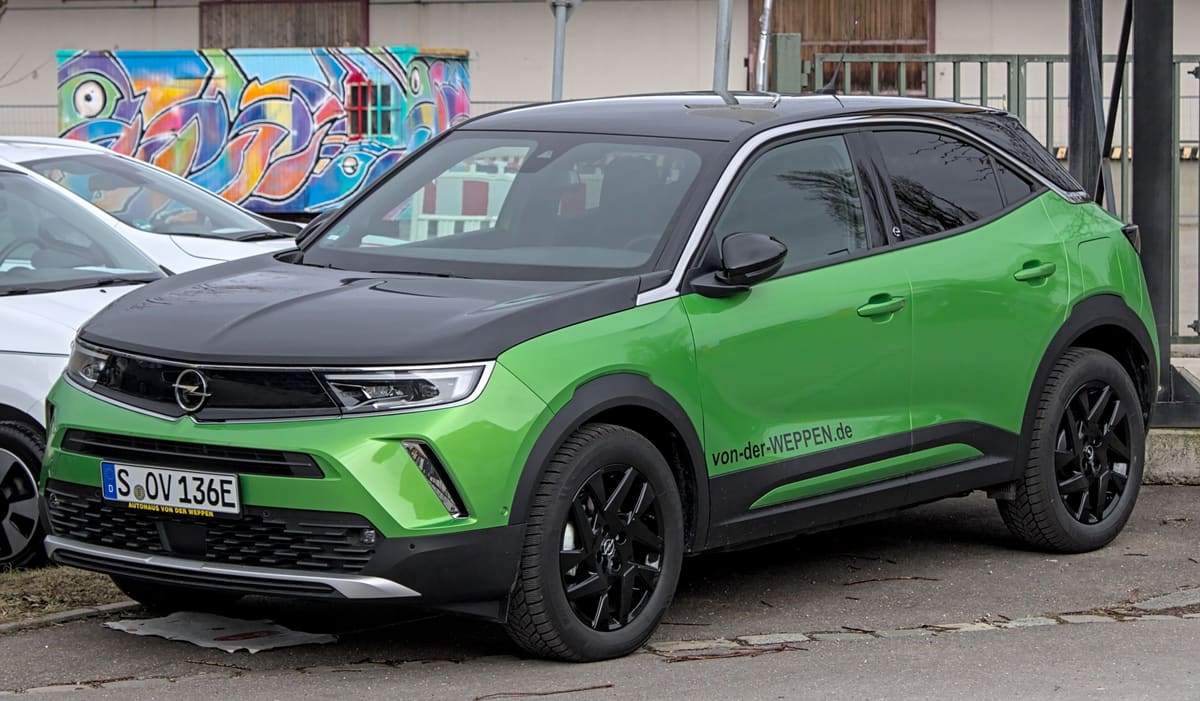
The running costs of a Vauxhall Mokka depend on factors like its engine choice, trim level, and how it is driven. Tax is influenced by CO2 emissions and fuel type, while insurance groups vary with engine size and safety features. Servicing demands are moderate, reflecting typical compact SUV maintenance, and the Mokka holds its value reasonably well compared to rivals in its segment.
Vehicle Tax and Its Impact on Running Costs
Vehicle Excise Duty (VED), commonly known as road tax, is a key factor in the Mokka’s running costs. The tax system in the UK bases the amount payable on the car’s CO2 emissions and fuel type, with petrol, diesel, and electric variants treated differently. Newer models with lower emissions benefit from reduced or zero tax rates in the first year, while older or higher-emission versions attract higher charges.
Diesel models may face additional surcharges if they do not meet certain emissions standards, reflecting government efforts to discourage higher-polluting vehicles. Petrol variants generally fall into lower tax bands unless their emissions are comparatively high. Electric or plug-in hybrid versions can enjoy significant tax advantages, sometimes paying no VED at all, which can substantially reduce annual running costs.
It is important to check the exact tax band for the specific Mokka model and trim you are considering, as this can vary widely. The government’s official website provides a tool to calculate the precise tax based on registration details, helping buyers understand the ongoing financial commitment.
Insurance Group and Its Influence on Premiums
Insurance costs for the Vauxhall Mokka are influenced primarily by the vehicle’s insurance group rating, which reflects factors such as engine size, repair costs, security features, and the likelihood of theft or accident claims. Typically, smaller engines and models with advanced safety equipment fall into lower insurance groups, resulting in more affordable premiums.
Trim levels with more powerful engines or sporty styling may push the Mokka into higher insurance groups, increasing the cost of cover. Additionally, the presence of driver assistance systems and immobilisers can help reduce premiums by lowering the risk profile. The car’s popularity and the availability of spare parts also affect repair costs, which insurers consider when setting rates.
Prospective owners should obtain insurance quotes tailored to their circumstances, as personal factors like age, driving history, and location also play a significant role. Comparing quotes from multiple providers will give a clearer picture of the expected annual insurance expense for the Mokka variant of interest.
Servicing and Maintenance Requirements
The Vauxhall Mokka’s servicing demands are generally in line with other compact SUVs, requiring routine checks and replacements at intervals recommended by the manufacturer. Regular oil changes, brake inspections, and tyre rotations are part of standard maintenance, with the frequency depending on mileage and driving conditions.
More complex components, such as turbocharged engines or hybrid systems if fitted, may require specialised attention, potentially increasing servicing costs. However, the Mokka’s design aims to balance performance with reliability, helping to keep maintenance manageable for most owners.
Parts availability and the widespread presence of Vauxhall dealerships and independent garages across the UK mean that servicing does not tend to be prohibitively expensive. Owners should follow the service schedule closely to avoid costly repairs and maintain warranty coverage where applicable.
Fuel Economy and Its Effect on Running Costs
Fuel consumption is a significant contributor to the overall cost of running a Vauxhall Mokka. The car is available with a range of petrol, diesel, and sometimes hybrid powertrains, each offering different efficiencies. Generally, smaller engines and hybrid variants provide better fuel economy, reducing the amount spent on fuel over time.
Driving style and conditions also heavily influence fuel costs. Urban stop-start traffic tends to increase consumption, while steady motorway driving can improve it. Choosing a Mokka with a manual or automatic transmission affects fuel use as well, with manual versions often delivering slightly better economy.
To get the most accurate understanding of fuel costs, it is advisable to consult official fuel economy figures for the specific model and trim, then consider your typical driving patterns. This approach helps estimate realistic running costs rather than relying on generic data.
Depreciation and Residual Value
The Vauxhall Mokka’s ability to hold its value affects the total cost of ownership, as vehicles that depreciate more slowly offer better long-term financial outcomes. The Mokka tends to retain value reasonably well within the compact SUV segment, helped by its practical size, brand recognition, and ongoing demand for crossover vehicles.
Factors influencing depreciation include the car’s condition, mileage, and specification, with higher trims and well-maintained examples generally commanding better resale prices. Market trends, such as shifts towards electric vehicles or changes in fuel prices, can also impact residual values.
Choosing a popular colour and avoiding niche options may improve resale prospects. Keeping service records and ensuring the car remains in good condition will help maximise its value when it comes time to sell or part-exchange.
Tyres and Other Running Costs
Tyres are a recurring expense that can influence the Mokka’s running costs. The car’s size and wheel options determine the type and cost of replacement tyres, with larger alloy wheels typically requiring more expensive rubber. Regular checks for wear and maintaining correct tyre pressures contribute to safety and fuel efficiency.
Other running costs include items like brake pads, wiper blades, and bulbs, which wear out with use but are generally affordable to replace. Roadside assistance and extended warranties, if purchased, add to the overall cost but can provide peace of mind.
Overall, the Vauxhall Mokka’s running costs are competitive within its class, with careful choice of model and trim, attentive maintenance, and informed driving helping to keep expenses manageable. Prospective owners should consider all these factors together to understand the full financial picture.
Vauxhall Mokka recall record
26 recalls have been issued for the Vauxhall Mokka, between 2013 and 2026.
Alternator protection
R/2026/072Issued 9 March 2026
Affected vehicles may have been assembled with contact or with a reduced clearance between the Gasoline Particulate Filter pipe and the pole protection cap of the 48V Belt Starter Generator. There is a possibility of contact between these components leading to water infiltration and an electrical arch which could trigger a thermal event.
Remedy:Replace the pole protection cap of the 48V Belt Starter Generator. Check the distance between the Gasoline Particulate Filter pipe and the pole protection cap of the 48V Belt Starter Generator and re‑position or replace the pipe if required.
Affects cars built Feb 2024 to Jan 2026
Vauxhall cross carline Driver’s Airbag - Takata
R/2025/511Issued 1 December 2025
On affected vehicles the chemicals in the Takata airbag inflators may deteriorate over time. This may cause the inflators to rupture with too much force in a crash leading to serious injury or death in a worst-case scenario.
Remedy:Replace the driver airbag module.
Affects cars built Dec 2011 to Jun 2018
Vauxhall Corsa Mokka Combo ESC software
R/2025/451Issued 22 October 2025
Affected vehicles may have incorrect or missing tyre pressure messages displayed in the instrument cluster due to a software deviation.
Remedy:Update the Electric Stability Control calibration to ensure the correct tyre pressure warning messages are displayed
Affects cars built Jan 2025 to Jun 2025
Vauxhall Mokka BCM software Stop /Start System.
R/2025/416Issued 29 September 2025
On affected vehicles the engine will run all the time and will not shut off in start/stop mode due to incorrect Body Control Module coding.
Remedy:Update the Body Control Module software.
Affects cars built Sept 2024 to May 2025
22 older recalls not shown.
A recall applies to a build range, not to every car of this model. Check a registration to see whether one specific vehicle has an outstanding recall.
Vauxhall Mokka MOT record
From 251,085 recorded MOT tests, 25.5% failed.
| Registered | Tests | Failed | Median mileage |
|---|---|---|---|
| 2023 | 1,376 | 6.8% | 16,806 mi |
| 2022 | 22,226 | 8.4% | 20,028 mi |
| 2021 | 12,674 | 13.1% | 26,082 mi |
| 2019 | 21,906 | 17.6% | 38,233 mi |
| 2018 | 31,320 | 24.1% | 45,637 mi |
| 2017 | 36,327 | 27.3% | 53,223 mi |
| 2016 | 39,439 | 31.2% | 60,702 mi |
| 2015 | 42,076 | 30.8% | 67,349 mi |
Most common reasons for failure
- A suspension joint dust cover missing or no longer prevents the ingress of dirt etc24.3%
- Tyre tread depth not in accordance with the requirements22.8%
- A tyre seriously damaged19.8%
- A suspension pin, bush or joint excessively worn17.6%
- A spring or spring component fractured or seriously weakened15.5%
Figures cover every Vauxhall Mokka tested in the DVSA dataset, not this specific car. Check a registration for the actual history of one vehicle.
Vauxhall Mokka official figures
Median across 44 variants on sale, electricity, petrol, petrol electric.
- Combined economy
- 48.6 mpg
- WLTP median across variants
- CO2 emissions
- 131 g/km
- Sets the first-year tax rate
- Electric range
- 227 miles
- Manufacturer WLTP figure
Official figures for new cars. Real economy varies with driving, load and conditions.
Frequently asked questions
What should I check to keep the Vauxhall Mokka's fuel economy in good shape?
Regularly inspect the air filter and replace it if clogged, as a dirty air filter can reduce fuel efficiency. Also, ensure the tyre pressures are at the recommended levels since underinflated tyres increase rolling resistance and fuel consumption.
Are there any warning lights specific to the Vauxhall Mokka that affect running costs?
The engine management light can indicate issues with components like the oxygen sensor or fuel injectors, which if ignored, may lead to higher fuel use or damage. Getting a diagnostic check at a garage when this light appears is advisable.
How often does the Vauxhall Mokka require brake pad replacement?
Brake pads typically need checking every 12,000 miles or during routine servicing. Worn pads can cause squealing noises and reduce braking efficiency, which might increase repair costs if discs become damaged as well.
Does the Vauxhall Mokka have any parts that are costly to maintain or replace?
The turbocharger on certain Mokka engines requires attention; if you notice a loss of power or unusual noises, it might need servicing. Turbo repairs can be more involved than standard engine parts, so regular oil changes help prolong its life.
What maintenance can help reduce the running costs of the Vauxhall Mokka’s air conditioning system?
Checking the refrigerant level and ensuring the cabin air filter is clean can improve air conditioning efficiency. A poorly maintained system can strain the engine, leading to increased fuel consumption and potential compressor issues.
Is the battery on the Vauxhall Mokka expensive to replace or maintain?
The Mokka uses a standard 12-volt lead-acid battery that should be tested regularly, especially before winter. Symptoms like slow engine cranking or dimming lights suggest it may need replacing, which is a straightforward garage job.
How does tyre wear affect the running costs of a Vauxhall Mokka?
Uneven or excessive tyre wear can increase rolling resistance and reduce fuel efficiency. Regular wheel alignment checks and rotating the tyres help maintain even wear, extending tyre life and keeping running costs down.
What should I know about servicing intervals for the Vauxhall Mokka to manage running costs?
Following the manufacturer’s recommended service schedule is important. This includes oil and filter changes, which keep the engine components like the camshaft and pistons lubricated and prevent costly repairs down the line.
Sources
- DVSA anonymised MOT tests and results (Open Government Licence v3.0)
- VCA new car fuel consumption and emissions data (Open Government Licence v3.0)
- DVSA vehicle safety recalls (Open Government Licence v3.0)