Common problems
BMW X3 common problems and reliability issues
Honest rundown of the most common BMW X3 faults, what to watch for, and how to keep one running well.
Updated 4th September 2026 DVSA data: Across 107,668 recorded MOT tests, 15.5% failed.
TL;DR
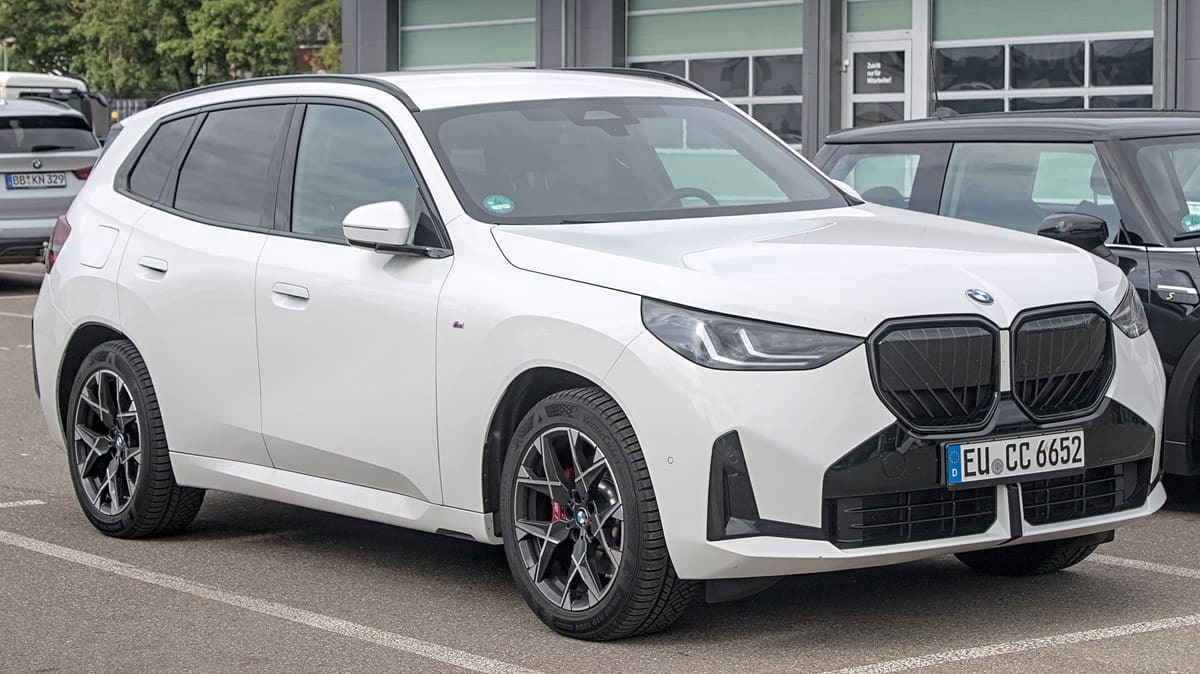
The BMW X3 has several common faults, particularly with its engine, transmission, and suspension. Key problems include oil leaks and timing chain failures in engines, transmission issues in 2004 to 2010 models, suspension wear in 2010 to 2017 models, and electrical faults in 2018 onwards models.
Engine Issues
The BMW X3 has faced engine problems, especially in models from 2011 to 2017. Owners frequently report oil leaks, which can lead to significant engine damage if not addressed. Additionally, timing chain failures have been noted, particularly in the 2.0-litre diesel engines (engine code N47) which are prone to failure if maintenance is neglected. It is advisable for owners to keep an eye on oil levels and have regular checks to prevent these issues from escalating.
Transmission Problems
Transmission issues are common in the BMW X3, particularly in the 2004 to 2010 models. Owners have reported harsh shifting and, in some cases, complete transmission failure. Regular servicing can help, but be wary of models that show signs of transmission trouble during test drives. Some owners suggest that ensuring the transmission fluid is changed at recommended intervals can help mitigate these problems.
Suspension Wear
Suspension problems are prevalent in the BMW X3, particularly in models from 2010 to 2017. Front suspension components, such as control arms and bushes, often wear out, leading to knocking noises and poor handling. Check for any unusual sounds during a test drive and inspect the front suspension for wear. Many owners recommend having the suspension inspected regularly, especially if the vehicle is driven on rough roads.
Electrical Faults
Electrical issues have been increasingly reported in the 2018 onwards BMW X3 models. Common complaints include problems with the infotainment system and battery drain. These can be frustrating and costly to repair, so ensure all electrical components are functioning properly during a pre-purchase inspection. Owners have noted that software updates from dealerships can sometimes resolve these issues, so it is worth checking if the vehicle has the latest updates.
Recalls
Several BMW X3 models have been subject to recalls, particularly for fuel leaks and airbag issues. Always check the vehicle’s VIN against recall databases to ensure that any outstanding recalls have been addressed. This can save you from potential safety hazards and repair costs. It’s also wise to keep documentation of any recall fixes performed on the vehicle for future reference.
What people are asking
Which BMW X3 to stay away from?
Buyers should be cautious of the 2004 to 2010 models due to frequent transmission issues and the 2011 to 2017 models because of engine problems, including oil leaks and timing chain failures. It is advisable to research the specific history of any used vehicle before purchasing.
What year is the BMW X3 most reliable?
The 2018 and newer models are generally considered more reliable, benefiting from improvements in technology and design. However, it is still important to check the individual vehicle’s service history and any reported issues.
Why is the BMW X3 so cheap?
The BMW X3 can be found at lower prices in the used market due to its reputation for higher maintenance costs and common issues reported by owners. Buyers often weigh the initial lower purchase price against potential repair expenses.
Is a used BMW X3 a good buy?
A used BMW X3 can be a good buy if it has been well maintained and has a clean service history. Potential buyers should be aware of common problems and ensure a thorough inspection is conducted before finalising the purchase.
What owners say
Many report that while maintenance can be more expensive than some other brands, the driving experience and comfort make it worthwhile. For example, one owner mentioned that their 2019 model has performed excellently with no major issues even after reaching 110k miles. Owners often share their experiences regarding the reliability of the BMW X3.
Common faults highlighted by owners include issues with the active kidney grills getting stuck in extreme weather conditions, which can affect cooling. This is a minor annoyance but worth noting for those in colder climates.
Buyers in UK communities have flagged that the diesel engines in earlier models, particularly those from 2010, can suffer from swirl flap and timing chain issues. This has led some to recommend avoiding these older models if reliability is a top priority.
Additionally, many owners appreciate the overall build quality and driving dynamics of the X3, noting that it feels solid on the road. However, they also caution potential buyers to be vigilant about electrical faults, especially in the 2018 and newer models, as these can lead to costly repairs if not addressed promptly.
BMW X3 recall record
50 recalls have been issued for the BMW X3, between 2011 and 2026.
Replace the Engine Starter Motor
R/2026/054Issued 2 March 2026
The Safety Recall relates to the engine starter motor. The fault relates to the RSW22 starter RWT (reinforced water tightness). It was found that with RWT starters an increased abrasion of the magnetic contact can cause the growth of deposits at the lowest point of the relay interior. This in turn may increase the relay contact resistance resulting in false starts or even causing short circuits and possibly a thermal reaction. In case of a short circuit the possibility of a thermal event cannot be excluded. This may happen while attempting to start the vehicle or while driving due to vibrations causing a short circuit due to moving deposits.
Remedy:On the affected vehicles the starter motor will be replaced with a variant by another supplier with a different design. Until the repair has been completed it is recommended to not leave the vehicle running unattended after starting the engine.
Affects cars built Sept 2020 to Jan 2022
Replace the Driver’s Airbag – Takata PSDI-5
R/2025/327Issued 12 January 2026
Affected vehicles may be fitted with a drivers airbag which may deploy with too much explosive force causing sharp metal fragments to be released into the cabin. It has the potential to fatally or seriously injure vehicle occupants.
Remedy:Affected vehicles will have the airbag replaced.
Affects cars built Jan 2006 to Aug 2010
Takata Driver and/or Passenger Airbag Recall (Global VINs)
R/2025/349Issued 18 December 2025
Affected vehicles are already included in Safety Recalls within the markets they have previously resided in. The vehicles may be fitted with a driver and/or passenger airbag/s which if deployed may do so with excessive force causing sharp metal fragments to be released this may cause serious injury which could prove fatal to people in the vicinity.
Remedy:Vehicles will have the affected airbags checked and if necessary replaced.
Affects cars built Jul 2003 to Jul 2010
Programming Control Units (Steering Gear)
R/2025/535Issued 9 December 2025
A quality check has revealed a potential issue with the steering gear software program which monitors the function of two sensors and compares the signals. In the vehicles concerned due to an error in the software the failure of a sensor may not always be detected correctly. When a failure has been detected correctly the driver is notified of it by a Check Control message on the Central Display and minimal change to steering feel.
Remedy:To ensure your vehicle is in perfect working order we would like to program the vehicles control units. This work will be free of charge.
Affects cars built Aug 2024 to Oct 2025
46 older recalls not shown.
A recall applies to a build range, not to every car of this model. Check a registration to see whether one specific vehicle has an outstanding recall.
BMW X3 MOT record
From 107,668 recorded MOT tests, 15.5% failed.
| Registered | Tests | Failed | Median mileage |
|---|---|---|---|
| 2023 | 290 | 2.1% | 20,668 mi |
| 2022 | 7,281 | 8.4% | 26,351 mi |
| 2021 | 10,485 | 9.7% | 35,412 mi |
| 2020 | 7,478 | 9.6% | 41,180 mi |
| 2019 | 15,496 | 9.7% | 47,787 mi |
| 2018 | 8,060 | 10.3% | 55,272 mi |
| 2017 | 7,998 | 14.5% | 67,317 mi |
| 2016 | 8,909 | 17.1% | 75,285 mi |
Most common reasons for failure
- Tyre tread depth not in accordance with the requirements39.4%
- A tyre seriously damaged22.3%
- A spring or spring component fractured or seriously weakened13.5%
- A suspension pin, bush or joint excessively worn12.7%
- a brake lining or pad worn below 1.5mm12.1%
Figures cover every BMW X3 tested in the DVSA dataset, not this specific car. Check a registration for the actual history of one vehicle.
BMW X3 official figures
Median across 15 variants on sale, diesel electric, electricity / petrol, petrol electric.
- Combined economy
- 40.9 mpg
- WLTP median across variants
- CO2 emissions
- 160 g/km
- Sets the first-year tax rate
Official figures for new cars. Real economy varies with driving, load and conditions.
Frequently asked questions
What are the most common engine problems in the BMW X3?
The BMW X3, particularly models from 2011 to 2017, may experience issues with oil leaks and timing chain failures.
Are there transmission issues with the BMW X3?
Some models, especially the 2004 to 2010 versions, have reported problems with the automatic transmission, including harsh shifting and failure.
What suspension problems should I be aware of?
Front suspension wear is common in the BMW X3, particularly in models from 2010 to 2017, leading to knocking noises and poor handling.
Are there any known electrical faults?
Electrical issues, such as problems with the infotainment system and battery drain, have been reported in the 2018 onwards models.
What recalls should I check for?
Recalls are issued against individual vehicles rather than a model as a whole, so a model-level yes or no would be guesswork. Enter the registration on Honest Car Check and we check the DVSA record for that specific car. Where DVSA holds no status, confirm it with a franchised dealer using the VIN.
Sources
- DVSA anonymised MOT tests and results (Open Government Licence v3.0)
- VCA new car fuel consumption and emissions data (Open Government Licence v3.0)
- DVSA vehicle safety recalls (Open Government Licence v3.0)