Running costs
Volkswagen Golf running costs: what UK ownership really costs
Volkswagen Golf UK running costs: fuel or electric, insurance group, road tax, servicing and depreciation.
Updated 18th September 2026 DVSA data: Across 867,120 recorded MOT tests, 20.8% failed.
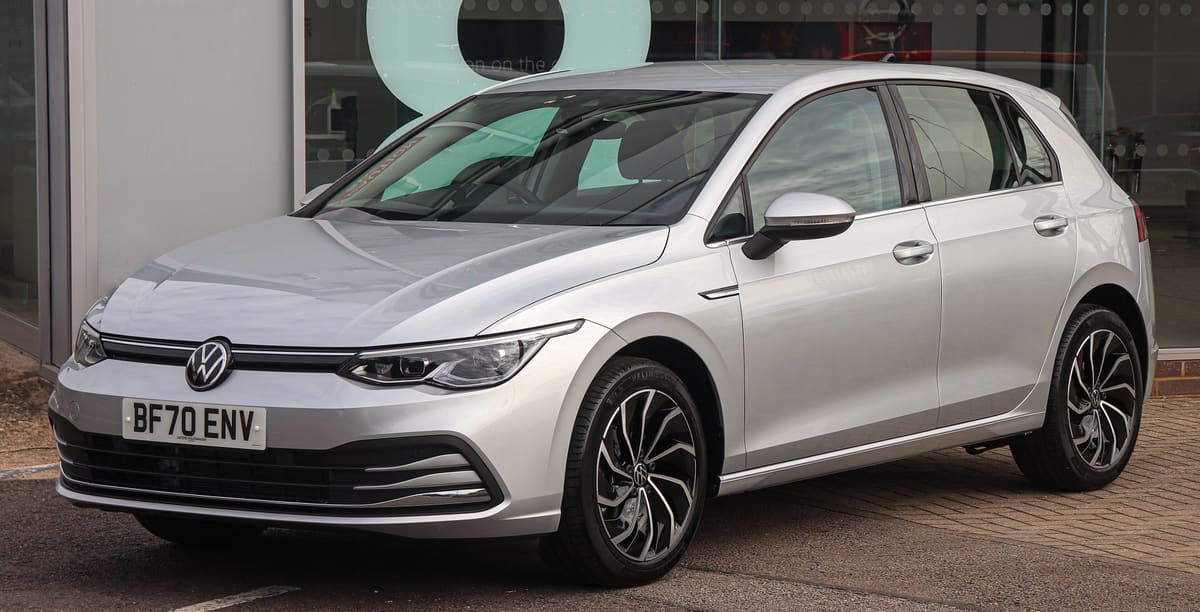
The Volkswagen Golf’s running costs are influenced by several factors including vehicle tax, insurance group rating, servicing demands, and depreciation. Its tax liability depends on emissions, insurance costs vary with model and driver profile, servicing is generally straightforward but can be pricier on higher trims, and its resale value tends to be strong due to brand reputation and demand.
Vehicle Tax and How It Affects Running Costs
The cost of vehicle tax for a Volkswagen Golf is primarily determined by its CO2 emissions and fuel type. Petrol and diesel variants are taxed differently, with diesel models often facing higher charges due to stricter environmental regulations. Electric and hybrid versions benefit from lower or zero tax rates, reflecting government incentives to encourage cleaner vehicles.
Tax bands are set by the government and updated periodically, so the exact amount payable depends on the specific Golf model and its registration date. This means that a newer, more efficient Golf will generally incur less tax than an older or more polluting version. For the latest tax rates and bands, it is advisable to consult the official government website.
Understanding the tax system is crucial as it can significantly impact the overall cost of ownership. Buyers should consider how their choice of engine and trim level influences annual tax bills when selecting a Golf.
Insurance Group Ratings and Their Impact
Insurance costs for the Volkswagen Golf are influenced by the insurance group it falls into, which is determined by factors such as engine size, performance, repair costs, and safety features. Higher-powered models or those with expensive parts typically fall into higher insurance groups, resulting in increased premiums.
Driver profile also plays a role; younger or less experienced drivers may face higher insurance costs regardless of the Golf’s group. Conversely, models with advanced safety technology can attract lower premiums due to reduced risk of injury or damage.
Prospective owners should obtain personalised insurance quotes to understand the likely premiums for their chosen Golf variant. Insurance comparison websites can provide tailored estimates based on individual circumstances, helping to budget accurately for this running cost.
Servicing and Maintenance Demands
The servicing requirements of a Volkswagen Golf vary depending on the engine type and trim level. Regular maintenance includes oil changes, brake checks, tyre rotations, and inspections of key components like the cooling system and suspension. Petrol engines generally have straightforward servicing needs, while diesel engines may require additional attention such as particulate filter maintenance.
Higher-spec models with more complex technology or performance parts can incur higher servicing costs due to specialised labour and pricier components. Additionally, hybrid or electric variants may have different maintenance schedules, focusing more on battery health and electrical systems.
Routine servicing intervals are set by Volkswagen and can be found in the vehicle’s handbook. Adhering to these schedules helps maintain reliability and can prevent costly repairs down the line. Independent garages may offer competitive servicing rates, but using authorised dealers ensures genuine parts and expertise.
Fuel Costs and Efficiency Considerations
Fuel expenditure is a significant part of running a Volkswagen Golf, influenced by the engine choice and driving habits. Smaller petrol engines tend to be more economical for city driving, while diesel variants often excel on longer journeys due to better fuel efficiency at steady speeds.
Hybrid models offer potential savings by combining electric power with a combustion engine, reducing fuel consumption in stop-start traffic. However, actual savings depend on how the car is used and the availability of charging options.
Drivers can manage fuel costs by maintaining steady speeds, avoiding unnecessary idling, and keeping tyres properly inflated. Selecting a Golf trim and engine that matches typical driving patterns is key to optimising fuel expenditure.
Depreciation and Residual Value
The Volkswagen Golf generally holds its value well compared to many other cars in its class. This is due to its strong brand reputation, widespread popularity, and perceived reliability. Models with popular engine choices and trim levels tend to retain more of their original value over time.
Depreciation rates can be influenced by factors such as mileage, condition, and market demand. Special editions or higher-spec variants may depreciate differently, so it is important to consider the specific model when assessing potential resale value.
Maintaining the car in good condition, keeping service records, and avoiding excessive mileage can help preserve the Golf’s value. Buyers looking to minimise running costs should factor in depreciation alongside other expenses to get a complete picture of ownership costs.
Volkswagen Golf MOT record
From 867,120 recorded MOT tests, 20.8% failed.
| Registered | Tests | Failed | Median mileage |
|---|---|---|---|
| 2023 | 930 | 4.4% | 23,052 mi |
| 2022 | 25,239 | 6.7% | 26,076 mi |
| 2021 | 28,087 | 7.7% | 35,036 mi |
| 2020 | 38,993 | 8.2% | 38,206 mi |
| 2019 | 52,166 | 10.5% | 46,624 mi |
| 2018 | 60,684 | 11.1% | 55,308 mi |
| 2017 | 68,953 | 12.2% | 63,546 mi |
| 2016 | 64,130 | 13.2% | 71,790 mi |
Most common reasons for failure
- Tyre tread depth not in accordance with the requirements29.1%
- A suspension pin, bush or joint excessively worn22.4%
- A tyre seriously damaged18.1%
- A shock absorber damaged to the extent that it does not function or showing signs of severe leakage16.8%
- A suspension component excessively damaged or corroded13.7%
Figures cover every Volkswagen Golf tested in the DVSA dataset, not this specific car. Check a registration for the actual history of one vehicle.
Volkswagen Golf official figures
Median across 68 variants on sale, diesel, electricity / petrol, petrol, petrol electric.
- Combined economy
- 51.4 mpg
- WLTP median across variants
- CO2 emissions
- 126 g/km
- Sets the first-year tax rate
Official figures for new cars. Real economy varies with driving, load and conditions.
Frequently asked questions
What should I check to keep the Volkswagen Golf's running costs low?
Regularly inspect the timing belt condition and replace it according to the service schedule. A worn belt can cause engine damage, leading to expensive repairs. Also, keep an eye on tyre wear and maintain correct pressures to improve fuel efficiency and extend tyre life.
How often does the Volkswagen Golf need servicing to avoid costly repairs?
Volkswagen recommends servicing the Golf at specific intervals, usually every 12 months or after a set mileage. During service, mechanics check components like the brake pads, air filter, and spark plugs to ensure everything runs smoothly and prevent unexpected breakdowns.
Are there any warning lights specific to the Volkswagen Golf that affect running costs?
Yes, the Golf features a diesel particulate filter (DPF) warning light on diesel models. Ignoring this can lead to clogging and costly cleaning or replacement. If the light comes on, a longer drive at higher engine speeds can help regenerate the filter.
What are typical garage jobs that affect the Volkswagen Golf's maintenance costs?
Common garage jobs include replacing the clutch, especially on manual models, and servicing the dual-mass flywheel. These parts wear over time and can cause juddering or slipping if neglected. Regular brake fluid changes are also important to maintain braking performance.
Does the Volkswagen Golf require any special checks for its turbocharged engines?
Turbocharged Golf engines benefit from regular oil changes using the correct grade oil to protect the turbocharger. Checking for unusual noises or loss of power can indicate turbo wear. Allowing the engine to idle briefly before switching off helps cool the turbo and prolong its life.
How does the Volkswagen Golf's electrical system impact running costs?
The Golf's electrical system includes components like the alternator and battery, which should be checked periodically. A failing alternator can cause battery drain and electrical faults. If you notice dimming lights or warning messages, have these parts tested to avoid breakdowns.
What fuel type is best for keeping running costs reasonable on a Volkswagen Golf?
Choosing the correct fuel type as specified for your Golf trim is important. Using the wrong fuel can trigger the engine management light and reduce efficiency. Always check the owner's manual or fuel filler cap for the recommended petrol or diesel grade.
Are there any maintenance tips specific to the Volkswagen Golf's DSG gearbox?
The DSG gearbox requires regular oil and filter changes to maintain smooth gear shifts. Neglecting this can cause jerking or delayed engagement. If you notice warning lights related to transmission or unusual noises, have the gearbox checked promptly to avoid costly repairs.
Sources
- DVSA anonymised MOT tests and results (Open Government Licence v3.0)
- VCA new car fuel consumption and emissions data (Open Government Licence v3.0)