Running costs
Tesla Model Y running costs: what UK ownership really costs
Tesla Model Y UK running costs: fuel or electric, insurance group, road tax, servicing and depreciation.
Updated 22nd September 2026 DVSA data: Across 34,519 recorded MOT tests, 14.2% failed.
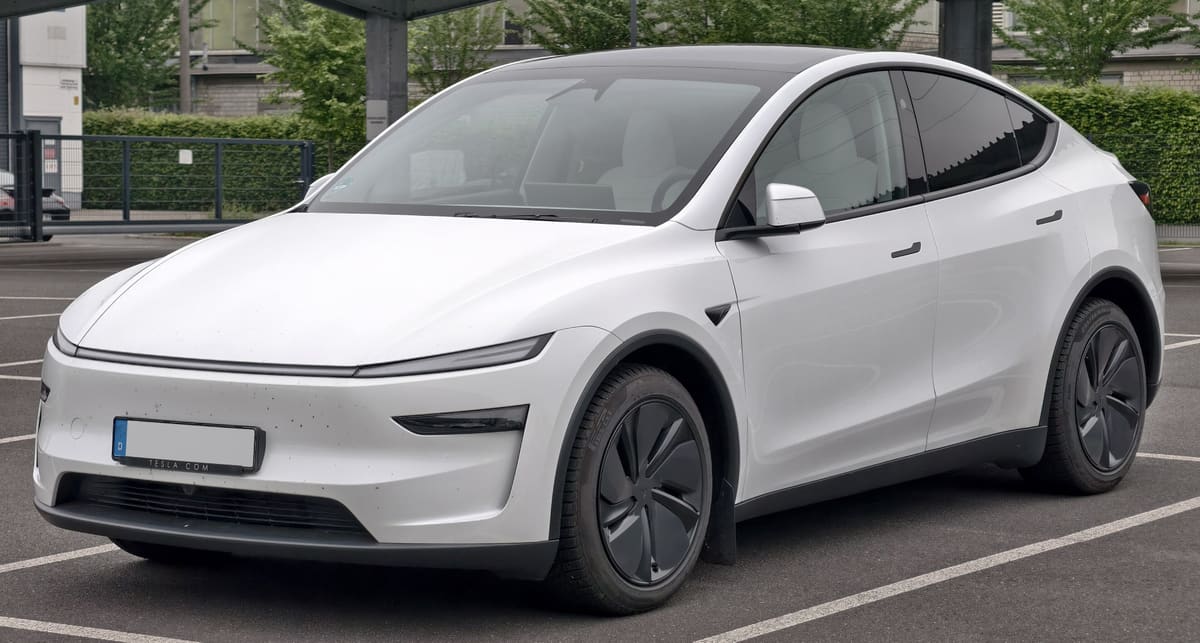
The Tesla Model Y’s running costs are shaped by its electric drivetrain, government incentives, insurance group, servicing needs, and residual values. Its electric nature reduces fuel and maintenance expenses compared to petrol or diesel cars, while tax benefits and insurance considerations vary by model and usage. Servicing is less frequent but specialised, and the Model Y tends to retain value well in the evolving EV market.
How the UK tax system affects Tesla Model Y running costs
The UK government’s approach to vehicle taxation favours electric cars like the Tesla Model Y, which can significantly reduce the cost of ownership. Road tax, or Vehicle Excise Duty, is generally waived for zero-emission vehicles, meaning Model Y owners do not pay this annual charge. This contrasts with conventional petrol or diesel vehicles, which face varying rates based on emissions.
Additionally, electric vehicles benefit from lower company car tax rates, making the Model Y attractive for business users. The government also offers grants and incentives for electric vehicle purchase and home charging installation, although these can change over time and may not apply to all Model Y variants or second-hand purchases.
It is important to check the current rules on the official government website to understand how these tax benefits apply to your specific situation, including any changes in legislation or local incentives.
Insurance group and factors influencing Tesla Model Y premiums
Insurance costs for the Tesla Model Y depend on several factors, including its insurance group rating, which reflects repair costs, safety features, and theft risk. The Model Y’s advanced technology and electric drivetrain can push it into a higher insurance group compared to smaller or less complex vehicles.
Repair costs for electric vehicles tend to be higher due to specialised parts and labour, which insurers factor into premiums. However, the Model Y’s safety features and driver assistance systems may help reduce accident risk, potentially offsetting some insurance costs.
Drivers should obtain personalised insurance quotes from providers to understand the premium for their circumstances. Factors such as driver age, location, and driving history also play a significant role in determining the final cost.
Servicing and maintenance demands of the Tesla Model Y
The Tesla Model Y benefits from the inherent simplicity of electric vehicles, which have fewer moving parts than internal combustion engine cars. This generally means lower servicing costs and less frequent maintenance.
Routine servicing mainly involves checks on the battery health, brakes, tyres, and software updates, many of which can be performed remotely or at Tesla service centres. The regenerative braking system reduces wear on brake components, extending their lifespan compared to traditional vehicles.
However, servicing can be more specialised and may require visits to authorised centres, which can affect convenience and cost. It is advisable to follow Tesla’s recommended service schedule and keep software up to date to maintain vehicle performance and warranty coverage.
How the Tesla Model Y holds its value over time
Electric vehicles like the Tesla Model Y have shown strong residual values compared to many petrol or diesel cars, partly due to growing demand for zero-emission vehicles and advances in battery technology. The Model Y’s popularity and brand reputation contribute positively to its resale value.
Battery degradation and the availability of newer models can influence depreciation, but Tesla’s over-the-air updates and robust battery warranty help maintain appeal in the used market. Additionally, government incentives for electric vehicles may affect second-hand prices.
Prospective buyers should consider the specific trim and condition of the vehicle, as these factors impact resale price. Checking current market trends and valuations can provide a clearer picture of expected depreciation.
Charging costs and infrastructure considerations
While not a running cost in the traditional sense, charging expenses and access to infrastructure are key factors in the Model Y’s overall cost of ownership. Electricity costs vary by provider and tariff, and charging at home overnight is generally cheaper than public rapid chargers.
Installing a home charging point involves an upfront cost but offers convenience and long-term savings. Public charging networks are expanding, but availability and pricing differ by location, which can influence running costs and journey planning.
Understanding your typical driving patterns and charging options is essential to accurately estimate the Model Y’s energy costs. Many owners use smartphone apps to locate chargers and monitor charging expenses.
Tyre wear and replacement costs
The Tesla Model Y’s weight and performance characteristics can lead to increased tyre wear compared to smaller or lighter vehicles. Its instant torque and regenerative braking affect how tyres wear over time, potentially requiring more frequent replacement.
Choosing tyres designed for electric vehicles can help manage wear and maintain efficiency. Tyre replacement costs should be factored into running costs, especially if you cover high mileage or drive aggressively.
Regular tyre maintenance, including correct pressures and wheel alignment, can extend tyre life and improve safety. Checking the vehicle’s manual for recommended tyre specifications ensures optimal performance.
Tesla Model Y recall record
7 recalls have been issued for the Tesla Model Y, between 2021 and 2025.
Loss of Reverse Light Recall
R/2025/422Issued 16 October 2025
On affected vehicles one or both reverse lamps may fail to switch on when the driver selects reverse gear due to a loss of continuity in the rear lamp circuit.
Remedy:Inspect rear lamp housing and wiring harness and repair or replace the defective components as necessary.
Affects cars built Mar 2025 to Apr 2025
Update Vehicle Firmware to Remedy Anti Pinch Feature of Right Front Window
R/2025/350Issued 24 September 2025
On affected vehicles a firmware feature that allowed for high-speed sampling of the right front window motor encoder was not enabled bringing vehicles out of compliance with the relevant regulations for Auto-reversing Requirements.
Remedy:Install modified software via an Over the Air (OTA) update.
Affects cars built Mar 2025 to Jul 2025
Loss of Rearview Camera Display Recall
R/2025/049Issued 28 March 2025
On a small percentage of affected vehicles upon vehicle power up the car computer board may experience a short resulting in the loss of rear view camera functionality .
Remedy:Over the air software update or Car Computer replacement if necessary.
Affects cars built Apr 2024 to Dec 2024
Update Vehicle Software To Rectify EPAS Functionality
R/2025/104Issued 14 March 2025
On affected vehicles operating with a software release prior to 2023.38.4 an overvoltage breakdown in the steering rack may overstress motor drive components on the printed circuit board. If the overstress condition occurs while the vehicle is driving steering assistance will not be affected and a visual alert will illuminate. Once the vehicle speed comes to a standstill a loss of steering assistance may occur and loss of steering assistance will persist when the vehicle is driven again. Manual steering without steering assistance remains available to the driver.
Remedy:Install modified software via an Over the Air (OTA) wireless update.
Affects cars built Jan 2022 to Aug 2023
3 older recalls not shown.
A recall applies to a build range, not to every car of this model. Check a registration to see whether one specific vehicle has an outstanding recall.
Tesla Model Y MOT record
From 34,519 recorded MOT tests, 14.2% failed.
| Registered | Tests | Failed | Median mileage |
|---|---|---|---|
| 2024 | 500 | 5.0% | 33,498 mi |
| 2023 | 1,885 | 7.4% | 49,819 mi |
| 2022 | 32,134 | 14.7% | 32,907 mi |
Most common reasons for failure
- Tyre tread depth not in accordance with the requirements34.7%
- A tyre seriously damaged26.9%
- A suspension pin, bush or joint excessively worn17.6%
- A tyre cords visible or damaged17.2%
- Brake disc or drum excessively weakened, insecure or fractured3.6%
Figures cover every Tesla Model Y tested in the DVSA dataset, not this specific car. Check a registration for the actual history of one vehicle.
Tesla Model Y official figures
Median across 10 variants on sale, electricity.
- Electric range
- 368.5 miles
- Manufacturer WLTP figure
Official figures for new cars. Real economy varies with driving, load and conditions.
Frequently asked questions
What should I expect in terms of maintenance for a Tesla Model Y?
Tesla Model Y requires less routine maintenance than petrol cars, but you should still check the brake fluid and cabin air filter regularly. The electric motor and battery need minimal servicing, but tyre wear and suspension components should be inspected during annual checks.
How often do I need to replace the brake pads on a Model Y?
Due to regenerative braking, the brake pads on a Model Y usually last much longer than on conventional cars. You might only need to replace them after many tens of thousands of miles, but keep an eye out for any brake warning lights or unusual noises during braking.
Are there any specific warning lights I should watch for on the Model Y?
Yes, the Model Y has a battery management system that will alert you with a warning light if there is an issue with the high-voltage battery. Also, keep an eye on the tyre pressure monitoring system, as low pressure can affect efficiency and safety.
Does the Model Y require any special servicing for its battery?
Tesla recommends regular software updates to optimise battery performance, which happen automatically when connected to Wi-Fi. Physically, the battery cooling system should be checked during service visits to ensure it is functioning correctly and preventing overheating.
What are the typical running costs related to charging a Tesla Model Y in the UK?
Charging costs depend on whether you use home charging or public chargers. Home charging involves your electricity tariff and the efficiency of the onboard charger, while public rapid chargers might trigger notifications on the car’s screen about charging status and costs.
Is tyre wear on the Model Y different from other SUVs?
The Model Y is heavier than many petrol SUVs due to its battery pack, which can lead to faster tyre wear. Regularly check the tread depth and look for uneven wear patterns, especially on the front tyres, as these can affect handling and efficiency.
How does the Model Y’s electric drivetrain affect servicing intervals?
Electric drivetrains have fewer moving parts than combustion engines, so there is no need for oil changes or spark plug replacements. However, Tesla advises periodic checks of the drive unit and inverter during servicing to ensure all electrical components are functioning properly.
Can I perform any basic checks on my Tesla Model Y to monitor running costs?
Yes, you can monitor tyre pressure using the car’s built-in system and keep an eye on the battery’s state of charge and health via the touchscreen. Regularly checking these can help maintain efficiency and avoid unexpected service visits.
Sources
- DVSA anonymised MOT tests and results (Open Government Licence v3.0)
- VCA new car fuel consumption and emissions data (Open Government Licence v3.0)
- DVSA vehicle safety recalls (Open Government Licence v3.0)