Running costs
Skoda Fabia running costs: what UK ownership really costs
Skoda Fabia UK running costs: fuel or electric, insurance group, road tax, servicing and depreciation.
Updated 19th September 2026 DVSA data: Across 226,931 recorded MOT tests, 24.1% failed.
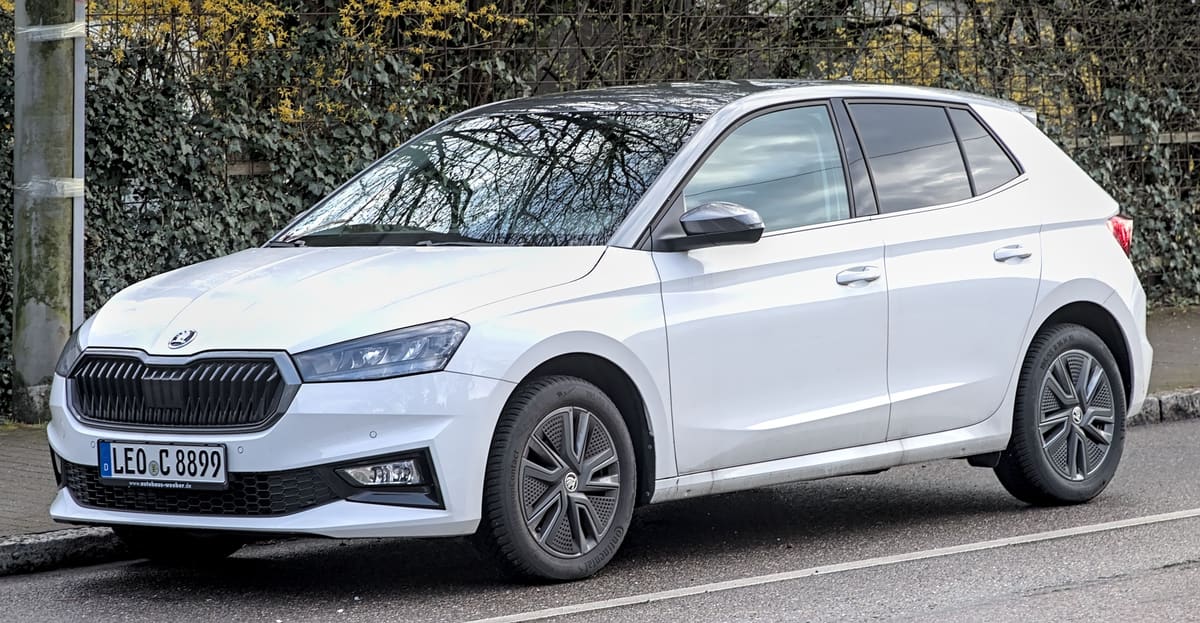
The Skoda Fabia’s running costs are shaped by its efficient engineering, modest insurance group, and straightforward servicing needs. Its tax liability depends on the engine and emissions, while insurance premiums vary with model and driver profile. The Fabia tends to hold its value reasonably well, reflecting its reputation for reliability and practicality.
How Vehicle Tax Affects Running Costs
The cost of vehicle tax for a Skoda Fabia is primarily influenced by the engine size and its emissions profile. Petrol and diesel variants are taxed differently, with lower-emission engines generally attracting less tax. The UK government bases the tax bands on official CO2 emissions, so choosing a model with cleaner emissions can reduce annual tax payments.
Newer Fabia models with smaller, more efficient engines tend to fall into lower tax brackets, making them more economical to run from a taxation perspective. Conversely, higher-performance or larger engines may push the car into a higher tax band, increasing the yearly cost. It is advisable to check the exact tax band for the specific trim and engine variant on the official government website to understand the precise liability.
Tax changes can also occur over time, especially as environmental policies evolve. Therefore, considering the long-term tax implications when selecting a Fabia model is important for managing running costs effectively.
Insurance Group and Its Impact on Premiums
The Skoda Fabia generally sits in a moderate insurance group, which means it is neither among the cheapest nor the most expensive cars to insure. Insurance groups are determined by factors such as engine size, repair costs, safety features, and theft risk. The Fabia’s reputation for reliability and relatively low repair costs helps keep insurance premiums reasonable.
Higher-spec models with more powerful engines or sporty trims may be assigned to higher insurance groups, which can increase premiums. Additionally, driver details such as age, location, and claims history significantly influence the final insurance cost. Young or inexperienced drivers might find premiums higher, regardless of the car’s insurance group.
To get an accurate estimate, it is best to obtain insurance quotes tailored to the driver’s profile and the specific Fabia variant. Comparing quotes from multiple providers will help identify the most cost-effective insurance option.
Servicing and Maintenance Demands
The Skoda Fabia benefits from straightforward servicing requirements, thanks to its simple and robust mechanical design. Routine maintenance typically includes oil changes, brake checks, and fluid top-ups, which are standard for most small hatchbacks. The availability of parts and widespread dealership network also contribute to keeping servicing costs manageable.
The Fabia’s engines are generally reliable, with no known complex or expensive maintenance issues common across the range. However, as with any car, adhering to the manufacturer’s recommended service intervals is crucial to avoid costly repairs later on. Some trims may have additional features, such as advanced infotainment or safety systems, which could slightly increase servicing complexity and cost.
Owners should consider the servicing schedule and warranty coverage when purchasing a Fabia to ensure predictable running costs. Independent garages familiar with Skoda vehicles can offer competitive servicing rates without compromising quality.
Fuel Efficiency and Its Role in Running Costs
Fuel consumption is a significant factor in the Fabia’s overall running costs. The car’s efficient engines, especially the smaller petrol and diesel options, help keep fuel expenses down. However, actual fuel economy depends on driving style, traffic conditions, and maintenance.
The Fabia’s lightweight construction and aerodynamic shape aid in achieving better fuel efficiency compared to larger or heavier cars. Choosing a manual gearbox over an automatic can also influence fuel consumption, often favouring the manual for economy.
Drivers who regularly cover long distances or spend much time in urban stop-start traffic may see different fuel costs than those using the car mainly for short trips. Checking the specific fuel economy figures for the desired trim and engine variant will provide a clearer picture of expected fuel expenses.
Depreciation and Resale Value
The Skoda Fabia tends to hold its value reasonably well within the supermini segment. Its reputation for reliability, practicality, and low running costs makes it attractive on the used car market. Depreciation rates are influenced by factors such as model year, mileage, condition, and specification.
Higher-spec models or those with popular engine options often retain value better, while cars with lower trim levels or higher mileage may see steeper depreciation. Regular servicing and maintaining the car in good condition also help preserve resale value.
Compared to some competitors, the Fabia’s strong build quality and brand perception contribute positively to its residual value. Prospective buyers should research the specific model and trim to understand how well it is likely to retain value over time.
Tyres, Brakes, and Other Running Costs
Tyre replacement and brake maintenance are ongoing costs for any car, and the Fabia is no exception. The car typically uses tyres sized for superminis, which are generally affordable and widely available. Choosing reputable tyre brands and maintaining correct pressures can extend tyre life and improve fuel economy.
Brake components on the Fabia are designed for durability, but wear depends on driving habits. Urban driving with frequent stopping can increase brake pad and disc wear, while motorway driving tends to be gentler on these parts.
Other running costs include items such as wiper blades, bulbs, and fluids, which are relatively low-cost and straightforward to replace. Overall, the Fabia’s design aims to keep these routine expenses manageable for owners.
Understanding the various factors influencing the Skoda Fabia’s running costs helps buyers and owners make informed decisions. From tax and insurance to servicing and depreciation, the Fabia offers a balanced package of affordability and practicality. Checking official resources and obtaining personalised quotes will provide the most accurate picture for individual circumstances.
Skoda Fabia recall record
11 recalls have been issued for the Skoda Fabia, between 2001 and 2026.
Replacing TAKATA driver airbag
R/2026/342Issued 2 September 2026
On affected vehicles in the event of an accident in which the airbag is deployed the front airbag gas generator could burst sending metal fragments into the vehicle. This could cause serious harm or fatal injuries to the driver and their passengers.
Remedy:Replace the front airbag on the driver side.
Affects cars built Apr 2017 to Apr 2017
Takata drivers side front airbag
R/2026/002Issued 18 July 2025
On affected vehicles the propellant in the front airbag may deteriorate due to high humidity and temperature fluctuations. As a result in the event of an accident and airbag deployment fragments could detach from the generator housing and injure the vehicle occupants.
Remedy:Replace the front airbag on the driver's side.
Affects cars built Jun 2013 to Dec 2015
Passenger Airbag
R/2025/278Issued 9 July 2025
On affected vehicles there is a risk in the event of an accident that if the passenger airbag is activated the protective effect of the airbag may be reduced and the gas generator cover may rupture resulting in serious or fatal injuries.
Remedy:Replace the passenger airbag. Whilst waiting for repair vehicle owners are advised to deactivate the passenger airbag according to the owner's manual and not to use the passenger seat during this time.
Affects cars built Sept 2022 to Mar 2025
On affected vehicles airbags have been fitted which may rupture when activated and may not function properly
R/2023/251Issued 22 August 2023
On affected vehicles airbags have been fitted which may rupture when activated and may not function properly.
Remedy:Replace the passenger airbag module with a modified unit.
Affects cars built Sept 2021 to Jun 2022
7 older recalls not shown.
A recall applies to a build range, not to every car of this model. Check a registration to see whether one specific vehicle has an outstanding recall.
Skoda Fabia MOT record
From 226,931 recorded MOT tests, 24.1% failed.
| Registered | Tests | Failed | Median mileage |
|---|---|---|---|
| 2023 | 343 | 2.9% | 18,692 mi |
| 2022 | 6,966 | 6.5% | 19,296 mi |
| 2021 | 8,415 | 10.7% | 25,723 mi |
| 2020 | 9,248 | 11.8% | 31,532 mi |
| 2019 | 14,396 | 13.5% | 36,764 mi |
| 2018 | 16,512 | 18.4% | 44,107 mi |
| 2017 | 17,813 | 20.1% | 52,281 mi |
| 2016 | 19,152 | 21.2% | 58,762 mi |
Most common reasons for failure
- A suspension pin, bush or joint excessively worn29.7%
- Tyre tread depth not in accordance with the requirements26.1%
- A tyre seriously damaged21.5%
- Brake disc or drum excessively weakened, insecure or fractured12.6%
- A shock absorber damaged to the extent that it does not function or showing signs of severe leakage10.1%
Figures cover every Skoda Fabia tested in the DVSA dataset, not this specific car. Check a registration for the actual history of one vehicle.
Skoda Fabia official figures
Median across 30 variants on sale, petrol.
- Combined economy
- 53.9 mpg
- WLTP median across variants
- CO2 emissions
- 119 g/km
- Sets the first-year tax rate
Official figures for new cars. Real economy varies with driving, load and conditions.
Frequently asked questions
What should I check to keep the Skoda Fabia's fuel economy in good shape?
Regularly inspect the air filter and replace it if clogged, as a dirty filter can reduce fuel efficiency. Also, ensure the tyre pressures are correct since underinflated tyres increase rolling resistance and fuel consumption.
How often does the Skoda Fabia need its timing belt changed?
The timing belt on a Skoda Fabia typically requires replacement around the 60,000 to 80,000-mile mark or every few years depending on usage. Check the service schedule for your specific model and have a garage inspect the belt for wear or cracking.
Are there any warning lights specific to the Skoda Fabia that affect running costs?
The engine management light can indicate issues with components like the oxygen sensor or fuel injectors, which if ignored, may increase running costs. Prompt diagnostics and repair help avoid inefficient fuel use or engine damage.
What maintenance tasks help avoid expensive repairs on a Skoda Fabia?
Changing the engine oil and oil filter at recommended intervals protects the turbocharger and camshaft from premature wear. Additionally, checking brake pads regularly prevents damage to the brake discs, which are costlier to replace.
Does the Skoda Fabia require special tyres that affect running costs?
The Fabia usually runs on standard all-season tyres, but choosing low rolling resistance tyres can help reduce fuel consumption. Always check the tyre size and specification in the owner's manual to maintain safety and performance.
How can I tell if the Skoda Fabia’s clutch is wearing out and impacting running costs?
Signs like a slipping clutch pedal or difficulty changing gears suggest wear. A worn clutch increases fuel use and can lead to costly replacement, so have a mechanic inspect it if you notice these symptoms.
What impact does the Skoda Fabia’s battery condition have on running costs?
A weak battery can cause frequent jump-starts and strain the alternator, leading to premature failure. Testing the battery’s charge and terminals during routine servicing helps avoid unexpected breakdowns and additional repair bills.
Is servicing the Skoda Fabia at a main dealer necessary to control running costs?
While main dealer servicing ensures genuine parts like Skoda oil filters and software updates, independent garages familiar with the Fabia can also carry out effective maintenance. The key is following the manufacturer’s service schedule to keep running costs down.
Sources
- DVSA anonymised MOT tests and results (Open Government Licence v3.0)
- VCA new car fuel consumption and emissions data (Open Government Licence v3.0)
- DVSA vehicle safety recalls (Open Government Licence v3.0)