Running costs
Renault Kadjar running costs: what UK ownership really costs
Renault Kadjar UK running costs: fuel or electric, insurance group, road tax, servicing and depreciation.
Updated 27th September 2026 DVSA data: Across 68,605 recorded MOT tests, 21.8% failed.
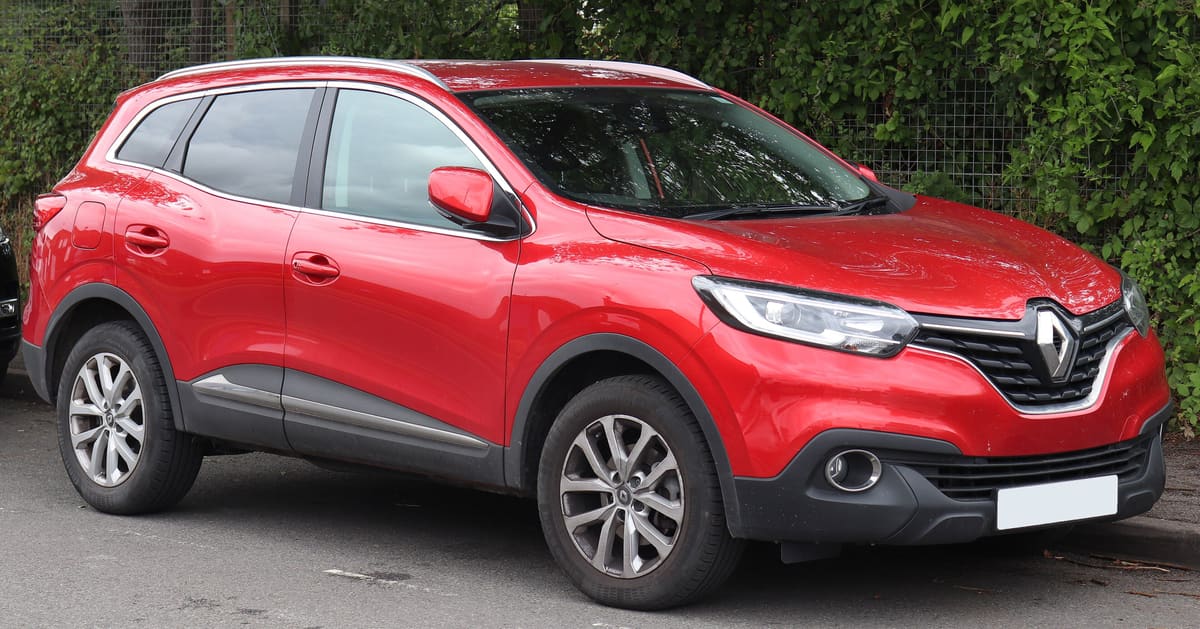
The Renault Kadjar’s running costs are influenced by its engine choice, insurance group, servicing schedule, and depreciation. Tax treatment depends on emissions and fuel type, while insurance premiums reflect its safety features and repair costs. Servicing demands are moderate, and resale values tend to align with general compact SUV trends, making it a practical option for everyday use.
How Vehicle Tax Affects the Renault Kadjar
Vehicle tax for the Renault Kadjar is primarily determined by its CO2 emissions and fuel type. Petrol and diesel variants are taxed differently, with diesel models often subject to additional surcharges if they do not meet certain emissions standards. Hybrid or electric versions benefit from lower or zero tax rates, depending on their specific emissions profile.
The UK government’s vehicle tax system uses emissions bands to set rates, so a Kadjar with a cleaner engine will incur less tax. This means that selecting a trim with a smaller or more efficient engine can reduce annual tax bills. Buyers should check the gov.uk vehicle tax checker for the exact rate applicable to the specific model and year they are considering, as rates can vary significantly.
Additionally, first-year tax rates for new cars are often higher and based on emissions, so initial ownership costs may be steeper for higher-emission models. After the first year, the standard rate applies, which is generally lower but still linked to the vehicle’s environmental impact.
Insurance Group and Its Impact on Running Costs
The Renault Kadjar’s insurance group is influenced by factors such as engine size, repair costs, safety features, and theft risk. Generally, models with smaller engines and more safety equipment fall into lower insurance groups, making premiums more affordable. Conversely, higher-performance variants or those with expensive parts can push the insurance group up.
Insurance companies assess the likelihood of claims and the cost of repairs when assigning groups. The Kadjar’s popularity and availability of spare parts can help keep repair costs reasonable, which benefits insurance premiums. Safety features like multiple airbags, stability control, and driver assistance systems also contribute to lower premiums by reducing accident severity.
Prospective owners should obtain insurance quotes for their chosen trim and engine, as premiums can vary widely. Comparing quotes from multiple providers is advisable to find the best deal. The government’s insurance premium calculator can provide a general idea of expected costs based on postcode and vehicle details.
Servicing and Maintenance Demands
The Renault Kadjar requires regular servicing to maintain reliability and efficiency, with intervals typically set by the manufacturer’s recommendations. Servicing includes oil changes, filter replacements, brake checks, and inspections of key components. The complexity of the engine and technology fitted can influence the cost and frequency of servicing.
Diesel variants may require additional attention to components like the diesel particulate filter, which can be costly to replace if neglected. Petrol engines tend to be simpler and cheaper to maintain but still need routine care. Hybrid versions may have specific maintenance needs related to their battery and electric motor systems.
Parts availability and the widespread presence of Renault dealerships and independent garages in the UK help keep servicing accessible. However, servicing costs can vary depending on whether work is done at a main dealer or an independent specialist. Owners should follow the service schedule closely to avoid expensive repairs caused by neglect.
Fuel Economy and Its Role in Running Costs
Fuel economy is a key factor in the Renault Kadjar’s running costs, influenced by engine size, transmission type, and driving conditions. Smaller engines and manual gearboxes generally offer better fuel efficiency, reducing the amount spent on fuel over time. Conversely, larger engines or automatic transmissions may consume more fuel, increasing running costs.
Driving style also plays a significant role. Smooth acceleration, steady speeds, and avoiding excessive idling can improve fuel consumption. Urban driving with frequent stops tends to be less efficient than steady motorway cruising. The Kadjar’s aerodynamic design and weight affect fuel use, but these factors are typical for compact SUVs.
Owners should consider their typical driving patterns when choosing a Kadjar model, as this will impact fuel costs. Checking official fuel economy figures for the specific trim and engine is essential, but real-world results can vary based on conditions and maintenance.
Depreciation and Resale Value
The Renault Kadjar’s depreciation rate affects its overall running costs by influencing how much value the car retains over time. Compact SUVs like the Kadjar generally hold value reasonably well due to ongoing demand in the used car market. However, factors such as mileage, condition, and model popularity also play a part.
Newer or more desirable trims with popular engine options tend to retain value better. Conversely, models with higher running costs or less efficient engines may depreciate faster. Regular servicing and maintaining the vehicle’s condition can help preserve resale value.
Market trends, including shifts towards electric vehicles and changes in fuel prices, can also impact depreciation. Buyers should consider how long they intend to keep the car and research typical resale values for the specific Kadjar variant they are interested in.
Tyres, Repairs, and Other Running Costs
Tyre wear and repair costs contribute to the Renault Kadjar’s running expenses. Tyres suitable for compact SUVs vary in price depending on size and brand, with larger wheels generally costing more to replace. Regular tyre maintenance, including correct inflation and alignment, helps extend tyre life and improve fuel efficiency.
Repairs beyond routine servicing depend on the vehicle’s age, mileage, and how it is driven. The Kadjar’s mechanical simplicity compared to more complex SUVs can keep repair costs moderate. Availability of parts and the presence of skilled mechanics familiar with Renault models support reasonable repair expenses.
Additional running costs include MOT tests, parking charges, and occasional cleaning and detailing. These are typical for any vehicle but should be factored into the overall cost of ownership. Budgeting for unexpected repairs is wise, especially as the car ages.
Renault Kadjar recall record
6 recalls have been issued for the Renault Kadjar, between 2016 and 2020.
CHILD LOCK DISENGAGES AFTER BEING ACTIVATED
R/2020/235Issued 26 August 2020
The child lock disengages after it was activated by the customer.
Remedy:Fit a retaining clip to the door locks.
Affects cars built Jun 2015 to Mar 2018
INCORRECT NOx CONTROL
R/2020/213Issued 21 July 2020
Lack of NOX-neutralizing substance in the catalytic converter meaning incorrect NOx Control
Remedy:Replace the catalytic convertor
Affects cars built Oct 2019 to Oct 2019
SIDE AIR CURTAIN MAY NOT DEPLOY
R/2017/172Issued 1 September 2017
The curtain airbag (one or both side) may not deploy in the event of a side impact because the pyrotechnic mix ratio in the ignitor could be incorrect..
Remedy:Recall the vehicles that are likely to be affected and check the serial number of the curtain airbag. Replace airbag if required.
Affects cars built Sept 2016 to Nov 2016
SEAT BELT ANCHORAGE POINTS MAY BE INSECURE
R/2016/096Issued 26 April 2016
On affected vehicles the rear side members may not have been correctly constructed. This could compromise seat belt operation during a collision.
Remedy:Renault Dealers will advise of any action required
2 older recalls not shown.
A recall applies to a build range, not to every car of this model. Check a registration to see whether one specific vehicle has an outstanding recall.
Renault Kadjar MOT record
From 68,605 recorded MOT tests, 21.8% failed.
| Registered | Tests | Failed | Median mileage |
|---|---|---|---|
| 2022 | 673 | 8.0% | 23,184 mi |
| 2021 | 1,514 | 9.3% | 29,171 mi |
| 2020 | 7,859 | 14.7% | 35,301 mi |
| 2019 | 11,578 | 16.7% | 42,035 mi |
| 2018 | 10,804 | 20.6% | 53,248 mi |
| 2017 | 14,385 | 22.8% | 61,371 mi |
| 2016 | 18,829 | 27.9% | 70,649 mi |
| 2015 | 2,963 | 30.4% | 77,876 mi |
Most common reasons for failure
- Tyre tread depth not in accordance with the requirements27.3%
- a brake lining or pad worn below 1.5mm20.9%
- A suspension pin, bush or joint excessively worn19.8%
- A tyre seriously damaged19.6%
- Brake disc or drum excessively weakened, insecure or fractured12.4%
Figures cover every Renault Kadjar tested in the DVSA dataset, not this specific car. Check a registration for the actual history of one vehicle.
Renault Kadjar official figures
Median across 8 variants on sale, petrol.
- Combined economy
- 45.6 mpg
- WLTP median across variants
- CO2 emissions
- 141 g/km
- Sets the first-year tax rate
Official figures for new cars. Real economy varies with driving, load and conditions.
Frequently asked questions
How often should I service my Renault Kadjar to keep running costs low?
Renault recommends servicing the Kadjar roughly every 12 months or 12,000 miles, whichever comes first. Regular oil changes and checks on the timing belt condition help prevent costly repairs. Always use genuine Renault parts to maintain warranty and reliability.
What are the typical maintenance jobs for a Renault Kadjar?
Routine maintenance includes replacing the air filter, checking brake pads, and topping up coolant levels. The diesel models require attention to the diesel particulate filter, which can clog if the car is used mainly for short trips. Watch for the glow plug warning light as an indicator.
Does the Renault Kadjar have any known issues that affect fuel economy?
Some Kadjar owners report that a dirty mass air flow sensor can cause poor fuel economy and rough idling. Cleaning or replacing this sensor is a straightforward garage job that can improve running costs. Regular air filter changes also help maintain efficient combustion.
Are replacement parts for the Renault Kadjar expensive or hard to find?
Parts like brake discs, suspension bushes, and clutch kits are widely available through Renault dealers and independent suppliers. The turbocharger on petrol and diesel engines may require attention after high mileage, but it is a standard component with good parts availability.
How can I check if my Renault Kadjar’s tyres are affecting running costs?
Uneven tyre wear can increase fuel consumption and reduce safety. Inspect the tread depth regularly and look for signs of cupping or sidewall damage. Maintaining correct tyre pressure, as shown on the driver’s door sticker, helps keep running costs down and improves handling.
What should I know about the Renault Kadjar’s battery and electrical system costs?
The Kadjar uses a standard 12-volt lead-acid battery, which typically lasts several years. If you notice slow engine cranking or dim dashboard lights, it’s worth having the battery and alternator tested. Replacing the battery is a common garage job that can prevent unexpected breakdowns.
Is the Renault Kadjar expensive to insure compared to similar SUVs?
Insurance costs depend on your specific model, engine size, and personal details, but the Kadjar generally falls into moderate insurance groups. Features like electronic stability control and multiple airbags can help reduce premiums. Always check with your insurer for tailored quotes.
What warning lights should I watch for that might indicate costly repairs on a Renault Kadjar?
Keep an eye on the engine management light, which can signal issues with sensors like the oxygen sensor or turbocharger. The diesel particulate filter warning light is important on diesel models and indicates when regeneration is needed. Addressing these early can avoid expensive repairs.
Sources
- DVSA anonymised MOT tests and results (Open Government Licence v3.0)
- VCA new car fuel consumption and emissions data (Open Government Licence v3.0)
- DVSA vehicle safety recalls (Open Government Licence v3.0)