Running costs
Renault Captur running costs: what UK ownership really costs
Renault Captur UK running costs: fuel or electric, insurance group, road tax, servicing and depreciation.
Updated 26th September 2026 DVSA data: Across 160,433 recorded MOT tests, 19.9% failed.
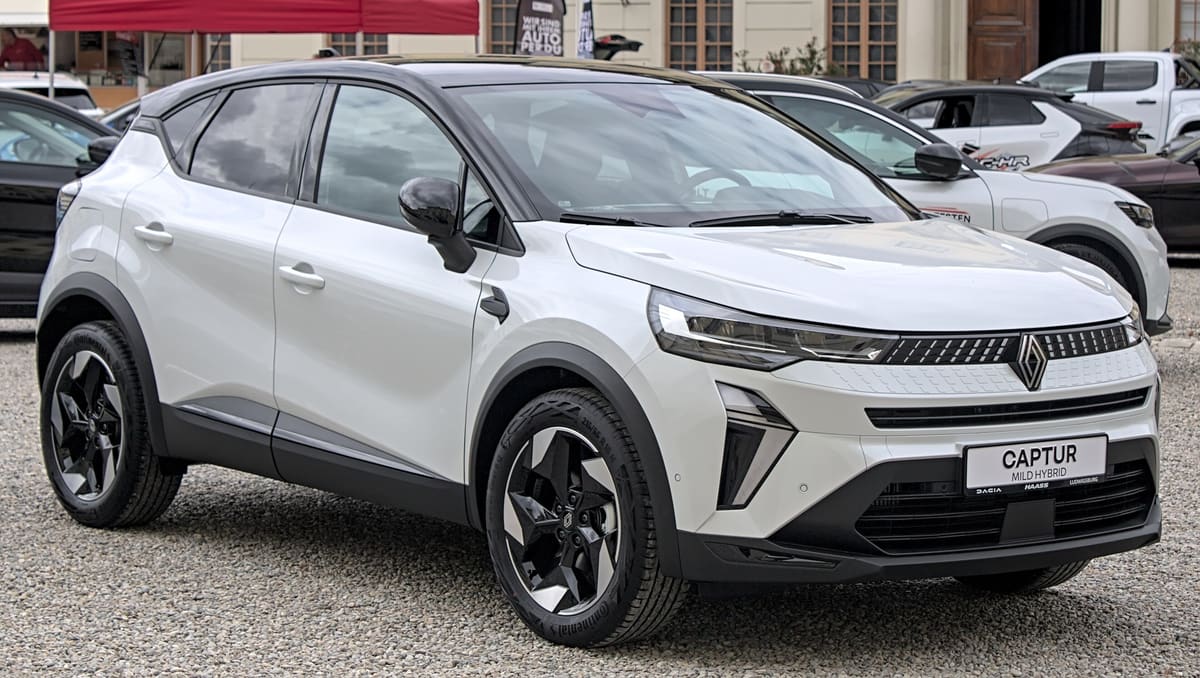
The Renault Captur’s running costs are influenced by factors such as its engine choice, insurance grouping, tax band, servicing intervals, and depreciation. Its tax liability depends on CO2 emissions and fuel type, while insurance premiums reflect its safety features and repair costs. Servicing is straightforward but varies by engine and trim, and its resale value holds reasonably well in a competitive market.
Vehicle Tax and Its Impact on Running Costs
The cost of vehicle tax for the Renault Captur is primarily determined by its CO2 emissions and fuel type. Petrol and diesel variants are taxed differently, with electric or hybrid versions attracting distinct rates or exemptions. The UK government’s tax bands reward lower emissions with reduced charges, making cleaner models more economical to run over time.
Diesel Capturs may face higher tax rates if their emissions exceed certain thresholds, reflecting government efforts to discourage higher-polluting vehicles. Alternatively, petrol models with modest emissions benefit from lower tax bands. Plug-in hybrid or electric Capturs can enjoy significant tax advantages, sometimes including zero road tax, depending on their electric-only range and CO2 output.
It is advisable to consult the official government website to confirm the current tax rates applicable to the specific Captur variant you are considering, as these rates can change and vary by model year and fuel type.
Insurance Group and Its Effect on Premiums
The Renault Captur’s insurance group rating influences the cost of premiums, with factors such as engine size, repair costs, safety equipment, and theft risk playing key roles. Models with smaller engines and advanced safety features tend to fall into lower insurance groups, resulting in more affordable insurance.
The Captur’s popularity and availability of parts can also affect insurance costs. A widely owned model with readily available components generally leads to cheaper repairs, which insurers consider favourably. Conversely, higher-spec trims with more complex technology or larger engines may push the insurance group higher.
Drivers should obtain personalised insurance quotes based on their location, driving history, and chosen Captur variant. Insurance comparison sites provide tailored estimates that reflect current market conditions and individual circumstances.
Servicing Demands and Maintenance Costs
Servicing the Renault Captur is relatively straightforward, with maintenance schedules designed to balance reliability and cost-effectiveness. The intervals between services vary depending on the engine type and usage, with some models requiring more frequent oil changes or inspections.
Routine servicing typically includes checks on brakes, tyres, fluid levels, and filters, along with software updates for electronic systems. Diesel engines may require additional attention to components like the diesel particulate filter, which can incur extra costs if neglected.
Parts and labour costs for the Captur are generally moderate, benefiting from Renault’s extensive dealer network and availability of aftermarket components. Owners who adhere to the recommended service intervals can avoid costly repairs and maintain the vehicle’s performance and efficiency.
Fuel Economy and Its Role in Running Costs
Fuel consumption is a significant factor in the Captur’s running costs, influenced by engine choice, driving style, and traffic conditions. Smaller petrol engines and hybrid variants typically offer better fuel efficiency, reducing the frequency and expense of refuelling.
Diesel versions may deliver strong economy on longer journeys but can be less cost-effective in stop-start urban driving due to potential issues like particulate filter clogging. Hybrid models combine electric assistance with petrol engines to lower fuel consumption, especially in city driving.
Drivers should consider their typical mileage and driving environment when selecting a Captur variant, as this will affect fuel costs over time. Checking official fuel economy figures for the specific trim is recommended, as these vary across the range.
Depreciation and Residual Value
The Renault Captur tends to retain its value reasonably well within the compact crossover segment, supported by its popularity and practical appeal. Depreciation rates are influenced by factors such as mileage, condition, trim level, and market demand.
Models with popular engine choices and desirable features generally hold value better, while less common or older variants may depreciate faster. Regular servicing and maintaining the vehicle’s condition also help preserve resale value.
The Captur’s appeal as a stylish and versatile urban SUV contributes to steady demand in the used car market, which can mitigate depreciation compared to less sought-after models. Prospective buyers should consider the expected resale value when budgeting for total cost of ownership.
Renault Captur recall record
9 recalls have been issued for the Renault Captur, between 2015 and 2025.
Injection Computer Software Update
R/2026/094Issued 4 December 2025
For certain vehicles reprogramming of the injection computer is required. Without this software update it could lead to breakdown or the vehicle failing to start.
Remedy:Reprogramme the injection computer
Affects cars built Sept 2022 to Jul 2025
Risk of parking brake actuator failing
R/2025/377Issued 9 September 2025
For certain vehicles a concern involving the electric traction reducer parking brake mechanism actuator or gearbox engagement actuator within the transmission may result in the parking brake mechanism actuator no longer correctly positioning the locking pawl in the “P lock”.
Remedy:Replacement of the electric traction reducer parking brake mechanism actuator or gearbox Engagement Actuator.
Affects cars built Apr 2024 to May 2025
POSSIBLE DETACHMENT OF THE FIXED GLASS SUNROOF WHILST DRIVING
R/2020/129Issued 12 May 2020
Possible detachment of the fixed glass sunroof while driving.
Remedy:Check the bonding and replace if required replace the fixed glass sunroof.
Affects cars built Aug 2019 to Sept 2019
CONTACT BETWEEN THE POSITIVE ALTERNATOR WIRING AND THE ALTERNATOR CASING COULD CAUSE AN ELECTRICAL SHORT CIRCUIT
R/2020/015Issued 21 January 2020
Contact between the positive alternator wiring and the alternator casing which could cause an electrical short circuit.
Remedy:Modify the wiring route and if necessary replace the alternator
Affects cars built Jul 2019 to Jul 2019
5 older recalls not shown.
A recall applies to a build range, not to every car of this model. Check a registration to see whether one specific vehicle has an outstanding recall.
Renault Captur MOT record
From 160,433 recorded MOT tests, 19.9% failed.
| Registered | Tests | Failed | Median mileage |
|---|---|---|---|
| 2023 | 424 | 3.8% | 16,984 mi |
| 2022 | 8,707 | 6.7% | 18,867 mi |
| 2021 | 9,514 | 7.3% | 25,020 mi |
| 2020 | 12,944 | 10.0% | 29,697 mi |
| 2019 | 19,564 | 14.4% | 36,230 mi |
| 2018 | 20,343 | 16.6% | 43,565 mi |
| 2017 | 19,188 | 18.3% | 49,288 mi |
| 2016 | 23,942 | 22.3% | 57,081 mi |
Most common reasons for failure
- Tyre tread depth not in accordance with the requirements33.1%
- A suspension pin, bush or joint excessively worn23.7%
- A tyre seriously damaged23.5%
- a brake lining or pad worn below 1.5mm9.9%
- A spring or spring component fractured or seriously weakened9.8%
Figures cover every Renault Captur tested in the DVSA dataset, not this specific car. Check a registration for the actual history of one vehicle.
Renault Captur official figures
Median across 60 variants on sale, electricity / petrol, petrol, petrol electric.
- Combined economy
- 48.7 mpg
- WLTP median across variants
- CO2 emissions
- 131 g/km
- Sets the first-year tax rate
Official figures for new cars. Real economy varies with driving, load and conditions.
Frequently asked questions
What should I expect in terms of fuel costs for a Renault Captur?
Fuel costs depend on your driving style and engine type, but the Captur’s turbocharged petrol engines generally offer a balance between performance and efficiency. Keeping an eye on the fuel gauge and maintaining regular servicing of the fuel injectors can help optimise consumption.
Are there any specific maintenance tasks unique to the Renault Captur?
The Captur requires routine checks like any car, but particular attention should be paid to the turbocharger system and the timing belt, especially on petrol variants. Regular inspection of the brake pads and discs is also important due to the car’s urban use.
How often should I service the Renault Captur to keep running costs low?
Following the manufacturer’s recommended service intervals is key. This usually involves oil changes, air filter replacement, and brake fluid checks. Ignoring these can lead to warning lights on the dashboard, such as the engine management light, which signals the need for diagnostics.
Does the Renault Captur have any known issues that could increase repair costs?
Some Captur owners have reported wear on the suspension components like the anti-roll bar links, especially after driving on rough roads. Regular checks for unusual noises or handling changes can help catch these early before they lead to more expensive repairs.
What should I check before buying a used Renault Captur to avoid unexpected running costs?
Inspect the condition of the clutch and gearbox, as some Captur models with manual transmissions can show signs of wear. Also, check for any warning lights on the dashboard and ask for a full service history to ensure the timing belt and other key parts have been replaced on schedule.
How does the Renault Captur’s insurance group affect running costs?
Insurance premiums vary by trim and engine size, with higher-powered versions typically attracting higher costs. It’s worth checking the specific insurance group for the model you’re interested in, as this can significantly impact your overall running expenses.
Are tyre replacements frequent or costly on the Renault Captur?
Tyre wear depends on driving habits and road conditions, but the Captur’s standard tyre sizes are common and widely available. Regularly checking tyre tread depth and pressure not only improves safety but can also help extend tyre life, reducing replacement frequency.
What impact does the Renault Captur’s battery have on running costs?
The Captur uses a standard 12-volt battery that powers electrical systems and start-stop functions on some models. Battery health can be monitored via dashboard alerts, and replacing it before it fails can prevent inconvenient breakdowns and additional repair costs.
Sources
- DVSA anonymised MOT tests and results (Open Government Licence v3.0)
- VCA new car fuel consumption and emissions data (Open Government Licence v3.0)
- DVSA vehicle safety recalls (Open Government Licence v3.0)