Running costs
Nissan Micra running costs: what UK ownership really costs
Nissan Micra UK running costs: fuel or electric, insurance group, road tax, servicing and depreciation.
Updated 25th September 2026 DVSA data: Across 234,341 recorded MOT tests, 28.5% failed.
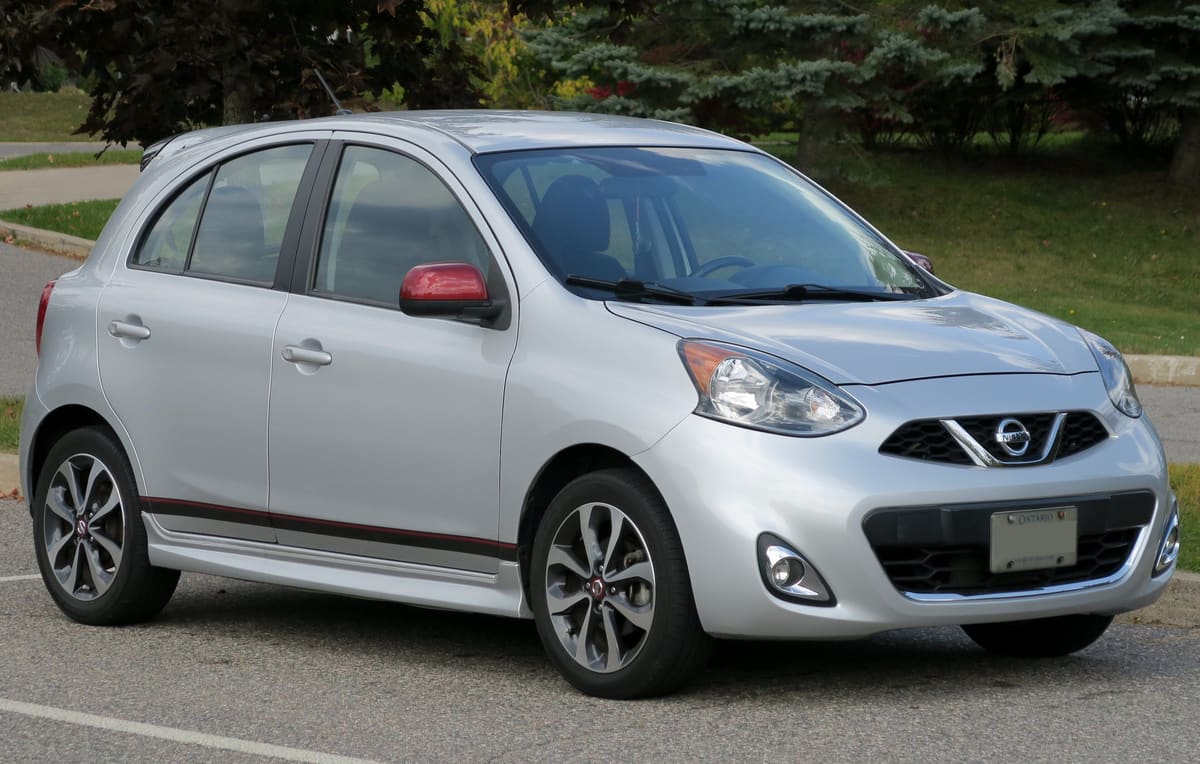
The Nissan Micra’s running costs hinge on factors such as its tax band, insurance group, servicing demands, and depreciation profile. Its generally modest engine sizes and low emissions often keep tax and insurance manageable, while routine servicing is straightforward. However, insurance premiums can vary with trim and driver profile, and like most small cars, it experiences steady depreciation over time.
Vehicle Tax and How It Affects Running Costs
The cost of vehicle tax for a Nissan Micra depends primarily on its CO2 emissions and engine type, as set out by the UK government’s vehicle tax bands. Lower-emission petrol models typically fall into more favourable tax bands, resulting in lower annual charges. Diesel variants, if available, may attract higher tax rates due to stricter emissions regulations.
Tax is calculated annually and can vary significantly between different trims and engine options within the Micra range. For example, a base petrol model with a small engine will usually incur less tax than a higher-specification version with a larger or turbocharged engine. Plug-in hybrid or electric versions, if offered, benefit from reduced or zero tax in many cases.
The UK government’s official vehicle tax checker provides the definitive tax band for any specific Micra model, so prospective owners should consult it to understand the exact tax liability. Understanding the tax system is essential because it forms a fixed annual cost that contributes to the overall expense of ownership.
Insurance Group and Its Impact on Premiums
The Nissan Micra is generally positioned in lower to mid insurance groups, reflecting its status as a small, relatively low-powered hatchback. Insurance groups are determined by factors such as engine size, vehicle value, repair costs, and safety features. A Micra with a modest engine and basic trim will usually attract more affordable insurance premiums.
However, insurance costs can be influenced by the specific model year, optional extras, and the driver’s personal circumstances, including age, location, and driving history. Higher-performance trims or those with sporty styling may push the insurance group higher, increasing premiums.
Insurance providers assess risk based on claims history and repair costs, so a Micra that is cheaper to repair and less likely to be involved in costly claims will benefit from lower insurance groups. Prospective buyers should obtain personalised insurance quotes to understand how their circumstances affect the cost of insuring a Micra.
Servicing Requirements and Maintenance Costs
The Nissan Micra is known for its straightforward servicing needs, typical of small petrol cars. Routine maintenance usually involves oil and filter changes, brake inspections, tyre checks, and fluid top-ups. The simplicity of its mechanical layout means that servicing is generally less expensive compared to larger or more complex vehicles.
Nissan’s recommended service intervals for the Micra are designed to balance reliability with cost-effectiveness. Regular servicing helps prevent costly repairs and maintains the car’s efficiency and safety. Some newer Micra models may feature longer service intervals or require specific types of oil and parts, so owners should consult the handbook for precise details.
Parts availability is generally good due to the Micra’s popularity, which helps keep repair and maintenance costs down. Independent garages and franchised dealers both offer servicing options, with independent workshops often providing more competitive pricing.
Fuel Costs and Efficiency Considerations
Fuel costs are a significant part of running a Nissan Micra, and these depend largely on the engine type and driving habits. The Micra’s small engines tend to be economical, especially in urban and suburban driving conditions where its compact size and light weight come into their own.
Petrol engines are the most common in the Micra range and typically offer a good balance between performance and fuel economy. Diesel variants, if available, may provide better efficiency on longer journeys but can be more expensive to maintain and tax.
Driving style, traffic conditions, and route choices also influence fuel consumption. Smooth acceleration, steady speeds, and avoiding excessive idling help maximise fuel economy. Prospective buyers should check official fuel economy figures for the specific trim they are considering, as these can vary.
Depreciation and Resale Value
The Nissan Micra experiences depreciation like most small hatchbacks, with the steepest value drop occurring in the first few years of ownership. Its resale value is influenced by factors such as mileage, condition, service history, and market demand.
Models with higher specification levels or popular features may retain value better, but generally, the Micra’s affordability means it appeals strongly to budget-conscious buyers in the used car market. Its reputation for reliability and low running costs can help maintain demand.
Keeping the car well-maintained, with a full service history and no accident damage, supports stronger resale prices. Buyers should be aware that depreciation is an inevitable cost but can be mitigated by choosing the right trim and maintaining the vehicle properly.
Tyres, Brakes and Other Running Expenses
Tyres and brakes are consumables that contribute to the ongoing running costs of a Nissan Micra. The car’s compact size means it uses smaller, more affordable tyres, which are widely available and easy to replace. Regular checks for wear and correct tyre pressure help maintain safety and efficiency.
Brake components on the Micra are typically standard for a small hatchback, with replacement parts and labour costs generally reasonable. Driving style and conditions affect how often these need attention; gentle driving can extend their lifespan.
Other running expenses include items such as wiper blades, bulbs, and fluids, which are usually inexpensive for a car of this size. Routine upkeep of these small items helps avoid larger issues and keeps the Micra reliable and safe to drive.
Understanding the various factors that influence the Nissan Micra’s running costs helps owners and prospective buyers budget effectively. From tax and insurance to servicing and depreciation, each element plays a role in the total cost of ownership. Checking official government resources for tax and obtaining personalised insurance quotes are essential steps in assessing affordability.
Nissan Micra recall record
20 recalls have been issued for the Nissan Micra, between 1993 and 2023.
In certain vehicles should the driver s seat be set in the position where it coincides with a design feature in the upper rail it may in certain conditions exceed the stress limits of the rail material.
R/2023/095Issued 30 June 2023
In certain vehicles should the driver�s seat be set in the position where it coincides with a design feature�in the upper rail it may�in certain conditions exceed the stress limits of the rail material.
Remedy:Replace the seat slide rails with countermeasure parts.�
Affects cars built Dec 2016 to Oct 2021
THE MASSES APPLIED ON THE VIN LABEL MAY BE INCORRECT
R/2019/349Issued 30 October 2019
The masses applied on the VIN label may be incorrect.
Remedy:Replace VIN label with new.
Affects cars built Jul 2018 to Nov 2018
THE PASSENGER AIR BAG MAY DEVELOP A TEAR DURING DEPLOYMENT
R/2019/312Issued 27 September 2019
The passenger airbag may develop a tear during deployment.
Remedy:Replace the passenger airbag with new countermeasure parts
Affects cars built Oct 2016 to Nov 2017
FRONT WHEEL HUB MAY NOT BE MANUFACTURED TO CORRECT SPECIFICATION
R/2018/084Issued 21 March 2018
The front wheel hub may suffer cracking. Drivers may notice abnormal noise and in extreme cases the hub may fail.
Remedy:On affected vehicles check manufacturing date of the wheel hubs and replace if required.
Affects cars built Sept 2017 to Oct 2017
16 older recalls not shown.
A recall applies to a build range, not to every car of this model. Check a registration to see whether one specific vehicle has an outstanding recall.
Nissan Micra MOT record
From 234,341 recorded MOT tests, 28.5% failed.
| Registered | Tests | Failed | Median mileage |
|---|---|---|---|
| 2022 | 5,777 | 6.8% | 15,929 mi |
| 2021 | 6,436 | 8.3% | 20,539 mi |
| 2020 | 6,029 | 14.9% | 25,500 mi |
| 2019 | 8,387 | 18.5% | 32,093 mi |
| 2018 | 9,815 | 27.7% | 40,418 mi |
| 2017 | 12,459 | 29.4% | 43,176 mi |
| 2016 | 10,520 | 20.0% | 36,846 mi |
| 2015 | 12,761 | 20.9% | 44,093 mi |
Most common reasons for failure
- A suspension pin, bush or joint excessively worn34.5%
- Tyre tread depth not in accordance with the requirements19.7%
- A spring or spring component fractured or seriously weakened18.6%
- A tyre seriously damaged18.0%
- The aim of a headlamp is not within limits laid down in the requirements9.1%
Figures cover every Nissan Micra tested in the DVSA dataset, not this specific car. Check a registration for the actual history of one vehicle.
Nissan Micra official figures
Median across 7 variants on sale, petrol.
- Combined economy
- 50.4 mpg
- WLTP median across variants
- CO2 emissions
- 126 g/km
- Sets the first-year tax rate
Official figures for new cars. Real economy varies with driving, load and conditions.
Frequently asked questions
How expensive is servicing a Nissan Micra?
Servicing a Nissan Micra typically involves oil and filter changes, checking the brake pads, and inspecting the timing chain tensioner. Regularly replacing the air filter and spark plugs helps maintain efficiency. A garage will also check the condition of the CV boots during service to avoid costly repairs later.
What should I watch for regarding the Nissan Micra’s clutch wear?
If you notice a slipping clutch or difficulty changing gears, it could indicate wear on the clutch plate or pressure plate. The Micra’s clutch can be checked by a mechanic who will assess pedal free play and look for signs of oil contamination on the clutch surface.
Are Nissan Micra tyres costly to replace?
Tyres for the Nissan Micra are generally standard sizes, so replacements are widely available. Checking the tread depth regularly and watching for uneven wear can help you avoid premature replacement. Tyre rotation during servicing also helps extend their lifespan.
Does the Nissan Micra have any specific warning lights I should not ignore?
The engine management light on a Nissan Micra can indicate issues with components like the oxygen sensor or mass airflow sensor. If this light stays on, it’s important to have the car diagnosed promptly to avoid damage to the catalytic converter or engine.
How often does the Nissan Micra need brake pad replacement?
Brake pads on the Micra should be inspected every service, especially the front pads which tend to wear faster. Listen for a squealing noise when braking, which signals the wear indicators are contacting the disc. Replacing pads before they wear down fully protects the brake discs.
Is the Nissan Micra expensive to insure in the UK?
Insurance costs depend on your personal details and the specific Micra trim. However, the Micra’s smaller engine sizes and good safety features often help keep premiums reasonable. Checking your insurance group for the exact model will give a clearer idea.
What are typical fuel costs like for a Nissan Micra?
Fuel costs vary depending on engine type and driving style. Petrol Micras usually have smaller engines that consume less fuel in town driving. Keeping the tyre pressure correct and servicing the air filter regularly can improve fuel economy.
Are there any common electrical issues with the Nissan Micra I should check?
Some Micras may experience problems with the central locking system or electric window motors. If you notice the windows moving slowly or the locks not responding, these components might need inspection or replacement. Checking fuses and wiring connections can sometimes resolve minor faults.
Sources
- DVSA anonymised MOT tests and results (Open Government Licence v3.0)
- VCA new car fuel consumption and emissions data (Open Government Licence v3.0)
- DVSA vehicle safety recalls (Open Government Licence v3.0)