Running costs
Lotus Elise running costs: what UK ownership really costs
Lotus Elise UK running costs: fuel or electric, insurance group, road tax, servicing and depreciation.
Updated 17th October 2026 DVSA data: Across 3,686 recorded MOT tests, 12.6% failed.
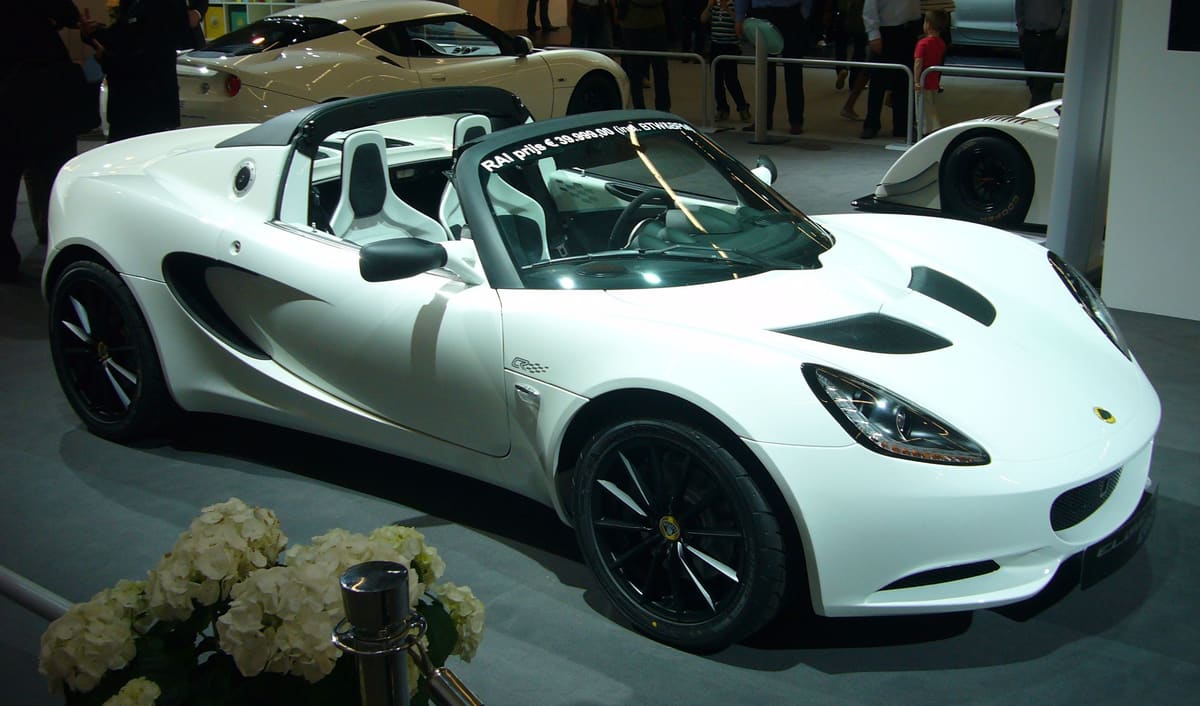
The Lotus Elise is a lightweight, driver-focused sports car that can be economical to run if maintained properly, but its costs are influenced by factors such as insurance group, servicing demands, and tax treatment. Its specialist nature means servicing and parts can be pricier than mainstream cars, while insurance premiums vary depending on driver profile and model year. The Elise tends to hold value well due to its niche appeal and limited production.
Vehicle Excise Duty (Road Tax) and How It Applies to the Lotus Elise
The cost of road tax for the Lotus Elise depends on its engine emissions and the year of registration, with lower-emission models attracting reduced charges. The UK government’s tax bands are designed to penalise higher CO2 emissions, so the Elise’s lightweight design and relatively small engine can help keep tax costs down compared to larger sports cars.
Earlier models registered before a certain date may fall under different tax rules, often paying a flat rate rather than emissions-based charges. It is important to check the exact registration date and engine variant of the Elise you are considering, as this affects the applicable tax band.
The government’s official website provides detailed guidance on how Vehicle Excise Duty is calculated, including the latest rates and any exemptions or discounts that may apply. Since the Elise is a niche sports car, it may not benefit from some of the lower tax bands available to ultra-low emission vehicles, but its modest engine size generally keeps it away from the highest tax brackets.
Insurance Group and Premium Factors for the Lotus Elise
Insurance costs for the Lotus Elise are influenced by its classification in insurance groups, which reflect the car’s performance, repair costs, and safety features. Being a sports car with a reputation for spirited driving, the Elise often falls into mid-to-high insurance groups, pushing premiums above those of typical family cars.
Factors such as the driver’s age, location, and claims history also impact insurance costs. Younger drivers or those with limited experience may face higher premiums, as insurers consider the Elise’s sporty character a higher risk. Conversely, experienced drivers with a clean record might find more competitive quotes.
Insurance companies also assess the cost and availability of replacement parts, which for a specialist car like the Elise can be higher than average. This can increase repair costs and, in turn, insurance premiums. It is advisable to obtain personalised insurance quotes for the specific Elise model and trim, as these can vary significantly.
Servicing and Maintenance Demands of the Lotus Elise
The Lotus Elise requires regular servicing to maintain its performance and reliability, but its lightweight construction and relatively simple mechanical layout can make some maintenance tasks straightforward. However, as a specialist sports car, parts and labour can be more expensive than for mainstream vehicles.
Routine servicing intervals are generally similar to other petrol cars but may involve checks specific to the Elise’s suspension and chassis, given its focus on handling. Specialist knowledge is often needed for certain repairs or adjustments, so servicing at a Lotus dealership or a specialist garage is recommended to ensure quality and preserve the car’s value.
Consumables such as tyres and brakes may wear faster due to the Elise’s sporty nature and light weight, potentially increasing running costs. Owners should budget for these items accordingly and consider the availability and cost of genuine or aftermarket parts.
Fuel Consumption and Running Economy
While the Lotus Elise is not designed as an economy car, its lightweight design helps it avoid the high fuel consumption typical of many sports cars. The relatively small engine size and efficient engineering mean it can be more economical than larger, more powerful sports cars, but fuel costs will still be higher than for average family hatchbacks.
Driving style greatly influences fuel consumption; enthusiastic driving will increase fuel use, while gentle, steady driving can improve economy. The Elise’s manual transmission encourages driver engagement, which can lead to variable fuel efficiency depending on how it is driven.
Owners should consider fuel type requirements, as some Elise models may require premium unleaded petrol, which is more expensive than standard fuel. Checking the exact specification for the model in question is important to understand fuel needs and associated costs.
Depreciation and Residual Value of the Lotus Elise
The Lotus Elise tends to hold its value well compared to many other sports cars, partly due to its limited production numbers and strong enthusiast following. Its status as a lightweight, driver-focused car with a distinctive design helps maintain demand in the used car market.
Depreciation rates may vary depending on the model year, condition, and mileage, but the Elise’s niche appeal often cushions it against steep value drops seen in more common vehicles. Well-maintained examples with full service history and low mileage generally command higher prices.
Modifications or damage can negatively impact resale value, so owners looking to preserve the car’s worth should maintain it in original condition where possible. The availability of parts and specialist servicing also supports the Elise’s residual value by ensuring it remains roadworthy and desirable.
Summary of Running Costs Compared to Similar Cars
Overall, the Lotus Elise offers a unique ownership experience with running costs that reflect its specialist nature. Road tax is generally moderate due to its engine size and emissions, but insurance can be higher than average because of its sports car status and repair costs. Servicing demands require specialist attention and can be pricier than mainstream cars, while fuel consumption is reasonable for a sports car but above typical family vehicles.
Its strong residual values help offset some of the higher running costs, making it a viable choice for enthusiasts who prioritise driving enjoyment and are prepared for the associated expenses. Prospective owners should carefully consider insurance quotes, servicing plans, and tax implications based on the specific model and trim to fully understand the financial commitment involved.
Lotus Elise recall record
10 recalls have been issued for the Lotus Elise, between 1998 and 2020.
BOLTS SECURING THE FUEL RAIL TO THE CYCLINDER HEAD MAY FAIL.
R/2019/412Issued 20 February 2020
Bolts securing the fuel rail to the cylinder head may fail.
Remedy:The spacers and fuel rail securing bolts will be replaced with new revised parts
Affects cars built May 2012 to Jun 2019
REDUCTION OF BRAKING EFFICIENCY
R/2016/223Issued 29 September 2016
An error in production of the brake master cylinder may cause a reduction in braking efficiency.
Remedy:Replace the brake master cylinder on affected vehicles.
Affects cars built Mar 2016 to Sept 2016
RISK OF FIRE
R/2014/066Issued 15 November 2014
The oil cooler pipes may detach from their fittings and deposit oil in the engine compartment on the road/tyres which can lead to increased risk of fire and loss of vehicle control. Only the pipes with the smooth bore ferrules are affected.
Remedy:Elise Exige and 211: Recall the vehicles that are likely to be affected and repair or replace the oil cooler hoses. Evora: it is proposed that the oil cooler hose assemblies will be replaced with hoses that incorporate the current production released end fittings in accordance with Lotus workshop procedures.
Affects cars built Sept 2004 to Jan 2011
WHEEL HUB MAY BECOME INSECURE
R/2009/057Issued 1 June 2009
The bolts securing the rear wheel hubs to the suspension may not have been correctly tightened.
Remedy:Recall affected vehicles and check bolts for correct torque and if necessary remove and re-install bolts.
Affects cars built Jan 2009 to May 2009
6 older recalls not shown.
A recall applies to a build range, not to every car of this model. Check a registration to see whether one specific vehicle has an outstanding recall.
Lotus Elise MOT record
From 3,686 recorded MOT tests, 12.6% failed.
| Registered | Tests | Failed | Median mileage |
|---|---|---|---|
| 2007 | 214 | 7.9% | 43,152 mi |
| 2006 | 210 | 7.6% | 43,811 mi |
| 2005 | 228 | 10.5% | 45,451 mi |
| 2004 | 240 | 11.7% | 50,234 mi |
| 2003 | 270 | 10.0% | 50,252 mi |
| 2002 | 385 | 14.5% | 49,945 mi |
| 2001 | 243 | 11.9% | 52,962 mi |
| 2000 | 463 | 13.2% | 49,800 mi |
Most common reasons for failure
- Emissions levels exceed default limits23.5%
- Brake disc or drum excessively weakened, insecure or fractured22.8%
- The aim of a headlamp is not within limits laid down in the requirements21.9%
- Lambda coefficient outside the default limits or the range specified by the manufacturer16.8%
- Emissions levels exceed the manufacturer's specified limits15.0%
Figures cover every Lotus Elise tested in the DVSA dataset, not this specific car. Check a registration for the actual history of one vehicle.
Lotus Elise official figures
Median across 3 variants on sale, petrol.
- Combined economy
- 36.2 mpg
- WLTP median across variants
- CO2 emissions
- 177 g/km
- Sets the first-year tax rate
Official figures for new cars. Real economy varies with driving, load and conditions.
Frequently asked questions
How expensive is servicing a Lotus Elise?
Servicing a Lotus Elise typically involves checks on the suspension bushes and the engine oil, which should be replaced regularly. The lightweight chassis requires careful inspection for any corrosion or damage, especially around the sills and bulkhead areas.
What should I watch for in terms of tyre wear on a Lotus Elise?
Tyre wear on a Lotus Elise can be uneven due to its sporty suspension setup. Check the front tyres for feathering or cupping, which might indicate alignment issues. Regularly inspect the tyre sidewalls for cracks, as the car’s low profile can expose them to kerb damage.
Are Lotus Elise parts expensive to replace?
Some parts like the bespoke Lotus suspension components or the lightweight aluminium panels can be pricier than standard car parts. However, common items such as brake pads and discs are similar to other sports cars and widely available.
Does the Lotus Elise require special fuel or oil?
The Elise’s engine benefits from high-quality synthetic oil to maintain performance and protect the lightweight internals. Using premium unleaded fuel is recommended to avoid knocking and to keep the engine running smoothly.
What are the typical signs of clutch wear on a Lotus Elise?
If you notice a spongy clutch pedal or difficulty engaging gears, the clutch might be wearing out. The Elise’s lightweight design means the clutch can last well if driven gently, but track use accelerates wear and may require earlier replacement.
How often should I check the Lotus Elise’s cooling system?
Regular checks of the radiator and coolant hoses are important, especially since the Elise’s mid-engine layout can cause hotspots. Look for any coolant leaks or swelling hoses, and ensure the electric cooling fan operates correctly to prevent overheating.
Is insurance generally high for a Lotus Elise?
Insurance costs vary, but the Elise’s sporty image and light weight can lead to higher premiums. Factors like the car’s age, your driving history, and security features such as an immobiliser will influence the final quote.
What maintenance should I do to prevent chassis corrosion on a Lotus Elise?
The aluminium chassis is resistant to rust but the steel subframes and suspension mounts can corrode over time. Regularly inspect these areas for surface rust and treat any spots promptly. Keeping the car clean and dry, especially in winter, helps prevent corrosion.
Sources
- DVSA anonymised MOT tests and results (Open Government Licence v3.0)
- VCA new car fuel consumption and emissions data (Open Government Licence v3.0)
- DVSA vehicle safety recalls (Open Government Licence v3.0)