Buying guide
Buying a used Lotus Elise: what to check before you pay
A complete used-buyer checklist for the Lotus Elise. Engine, gearbox, electrics, paperwork.
Updated 23rd June 2026 DVSA data: Across 3,686 recorded MOT tests, 12.6% failed.
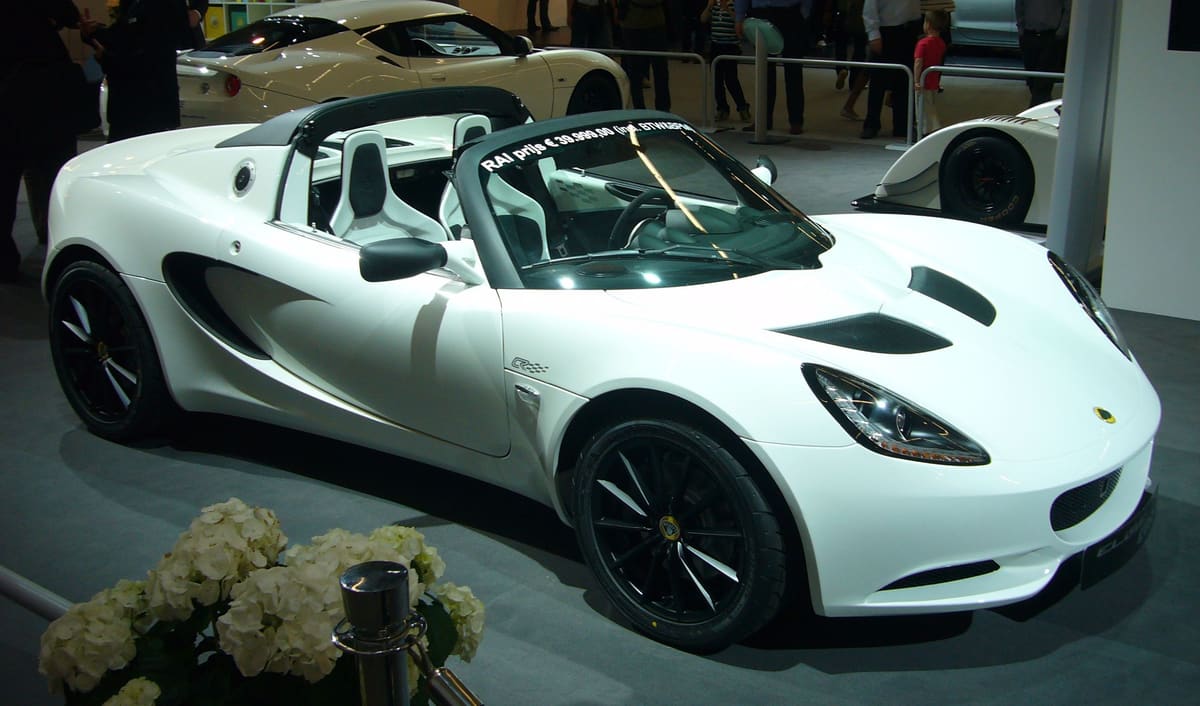
When considering the purchase of a used Lotus Elise, it is essential to conduct a thorough inspection and research to ensure you make a wise investment. This guide outlines key aspects to check, including the vehicle’s history, condition, and performance, helping you decide with confidence.
Vehicle History and Documentation
Before purchasing a used Lotus Elise, check its history and documentation. Request the V5C registration document to confirm ownership and ensure there are no outstanding finance agreements. Additionally, review the service history to verify that the car has been maintained properly.
Look for any previous accidents or damage reported on the vehicle. A comprehensive history check can reveal important information about the car’s past, including any potential issues that could affect its performance or value. Ensure the mileage is consistent with the service records, as discrepancies can indicate tampering.
Condition of the Bodywork
The bodywork of a Lotus Elise is crucial not only for aesthetics but also for structural integrity. Inspect the exterior for signs of rust, dents, or scratches. Pay special attention to the areas around the wheel arches and sills, as these are common spots for corrosion.
Check the paintwork for inconsistencies, which could indicate previous repairs. A good-quality paint job should have a uniform colour and finish. If possible, use a magnet to check for filler in the body panels, as this could suggest accident damage.
Mechanical Condition
The mechanical condition of the Lotus Elise is paramount for performance and reliability. Start by examining the engine for any leaks or unusual noises. The Toyota-sourced engines are generally reliable, but ensure that the oil and coolant levels are adequate.
Take the car for a test drive to assess its handling and performance. Listen for any unusual sounds from the suspension or drivetrain. The Elise is known for its agile handling, so ensure the steering is responsive and the brakes are effective. If you notice any issues, consider having a qualified mechanic perform a thorough inspection.
Suspension and Tyres
The suspension system of the Lotus Elise is designed for performance and should be in good condition. Inspect the shock absorbers for leaks and check for any signs of wear on the suspension components. A well-maintained suspension will provide a comfortable ride and enhance handling.
Tyres are equally important, as they affect grip and safety. Check the tread depth and look for uneven wear patterns, which could indicate alignment issues. Ensure the tyres are of the correct specification and have not been excessively worn. Replacing tyres can be costly, so factor this into your budget if they need to be replaced soon.
Interior and Features
The interior of the Lotus Elise should be in good condition, reflecting the overall care the vehicle has received. Check the seats for wear and tear, especially on the bolsters, as these areas are prone to damage. Ensure that all interior features, such as the infotainment system and climate control, are functioning correctly.
Look for signs of water ingress, such as dampness or mould, which can indicate leaks. The Elise has a minimalist interior, but ensure that the dashboard and controls are intact and free from damage. A well-maintained interior adds to the overall appeal and value of the car.
Ownership Costs and Insurance
Before purchasing a Lotus Elise, consider the ownership costs, including insurance, maintenance, and fuel. The Elise is generally more affordable to insure compared to other sports cars, but premiums can vary based on your driving history and location.
Maintenance costs can be higher than average due to the specialist nature of the vehicle. Ensure you have access to a reputable garage familiar with Lotus vehicles. Additionally, consider the fuel economy, as the Elise is designed for performance rather than efficiency. Understanding these costs will help you budget effectively for your new purchase.
Lotus Elise recall record
10 recalls have been issued for the Lotus Elise, between 1998 and 2020.
BOLTS SECURING THE FUEL RAIL TO THE CYCLINDER HEAD MAY FAIL.
R/2019/412Issued 20 February 2020
Bolts securing the fuel rail to the cylinder head may fail.
Remedy:The spacers and fuel rail securing bolts will be replaced with new revised parts
Affects cars built May 2012 to Jun 2019
REDUCTION OF BRAKING EFFICIENCY
R/2016/223Issued 29 September 2016
An error in production of the brake master cylinder may cause a reduction in braking efficiency.
Remedy:Replace the brake master cylinder on affected vehicles.
Affects cars built Mar 2016 to Sept 2016
RISK OF FIRE
R/2014/066Issued 15 November 2014
The oil cooler pipes may detach from their fittings and deposit oil in the engine compartment on the road/tyres which can lead to increased risk of fire and loss of vehicle control. Only the pipes with the smooth bore ferrules are affected.
Remedy:Elise Exige and 211: Recall the vehicles that are likely to be affected and repair or replace the oil cooler hoses. Evora: it is proposed that the oil cooler hose assemblies will be replaced with hoses that incorporate the current production released end fittings in accordance with Lotus workshop procedures.
Affects cars built Sept 2004 to Jan 2011
WHEEL HUB MAY BECOME INSECURE
R/2009/057Issued 1 June 2009
The bolts securing the rear wheel hubs to the suspension may not have been correctly tightened.
Remedy:Recall affected vehicles and check bolts for correct torque and if necessary remove and re-install bolts.
Affects cars built Jan 2009 to May 2009
6 older recalls not shown.
A recall applies to a build range, not to every car of this model. Check a registration to see whether one specific vehicle has an outstanding recall.
Lotus Elise MOT record
From 3,686 recorded MOT tests, 12.6% failed.
| Registered | Tests | Failed | Median mileage |
|---|---|---|---|
| 2007 | 214 | 7.9% | 43,152 mi |
| 2006 | 210 | 7.6% | 43,811 mi |
| 2005 | 228 | 10.5% | 45,451 mi |
| 2004 | 240 | 11.7% | 50,234 mi |
| 2003 | 270 | 10.0% | 50,252 mi |
| 2002 | 385 | 14.5% | 49,945 mi |
| 2001 | 243 | 11.9% | 52,962 mi |
| 2000 | 463 | 13.2% | 49,800 mi |
Most common reasons for failure
- Emissions levels exceed default limits23.5%
- Brake disc or drum excessively weakened, insecure or fractured22.8%
- The aim of a headlamp is not within limits laid down in the requirements21.9%
- Lambda coefficient outside the default limits or the range specified by the manufacturer16.8%
- Emissions levels exceed the manufacturer's specified limits15.0%
Figures cover every Lotus Elise tested in the DVSA dataset, not this specific car. Check a registration for the actual history of one vehicle.
Lotus Elise official figures
Median across 3 variants on sale, petrol.
- Combined economy
- 36.2 mpg
- WLTP median across variants
- CO2 emissions
- 177 g/km
- Sets the first-year tax rate
Official figures for new cars. Real economy varies with driving, load and conditions.
Frequently asked questions
What should I look for when buying a used Lotus Elise?
Check the service history for regular maintenance, inspect the bodywork for signs of damage, and ensure the suspension and brakes are in good condition. A thorough test drive is also essential to assess performance.
Are there common issues with the Lotus Elise I should be aware of?
Yes, some common issues include coolant leaks, electrical problems, and wear on the suspension components. It's advisable to have a pre-purchase inspection to identify any potential concerns.
How much does insurance cost for a Lotus Elise?
Insurance costs can vary widely based on factors like your driving history, location, and the specific model of Elise. It's best to get quotes from multiple insurers to find the best deal.
What is the typical fuel economy of a Lotus Elise?
The Lotus Elise generally offers good fuel economy for a sports car, averaging around 30-40 miles per gallon depending on the model and driving conditions. This makes it relatively economical for its class.
Is the Lotus Elise suitable for everyday use?
While the Lotus Elise is a fantastic sports car, it may not be the most practical choice for daily driving due to its limited storage space and ride comfort. However, many owners enjoy using it regularly.
What are the different models of the Lotus Elise available?
The Lotus Elise has several models, including the Elise S, Elise Sport, and Elise Cup variants. Each model offers different performance features and specifications, so it's worth researching which suits your needs best.
How can I verify the authenticity of a Lotus Elise?
To verify authenticity, check the vehicle identification number (VIN) against the documentation and service history. Additionally, consider using a vehicle-check service to confirm the car's history and any previous accidents.
What are the running costs associated with owning a Lotus Elise?
Running costs can include insurance, maintenance, fuel, and potential repairs. It's important to budget for these expenses, as they can add up, especially if you plan to use the car frequently.
Sources
- DVSA anonymised MOT tests and results (Open Government Licence v3.0)
- VCA new car fuel consumption and emissions data (Open Government Licence v3.0)
- DVSA vehicle safety recalls (Open Government Licence v3.0)