MOT failure rates
Lotus Elise MOT failure rates: what to expect
What fails on a Lotus Elise at MOT, how often, and what each fix typically costs.
Updated 4th September 2026 DVSA data: Across 3,686 recorded MOT tests, 12.6% failed.
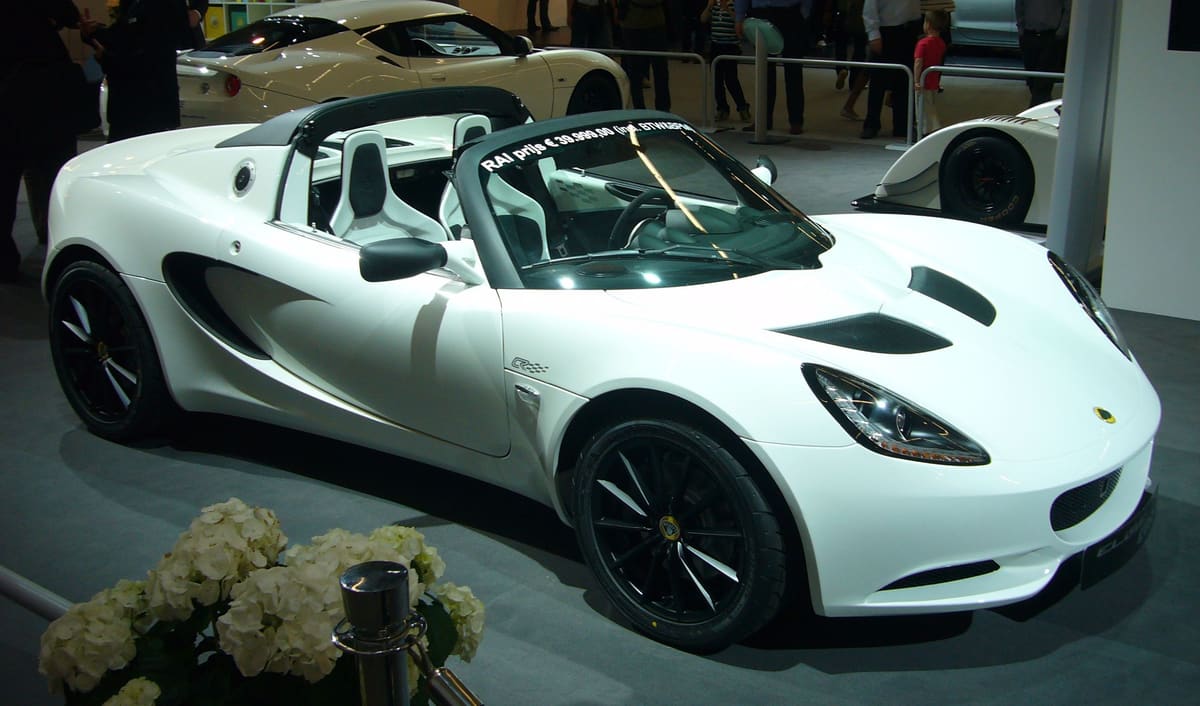
The Lotus Elise is a popular sports car known for its lightweight design and agile handling. However, like all vehicles, it is not immune to MOT failures. Common issues include suspension problems, brake wear, and electrical faults. Fixing these issues can vary in cost, but understanding them can help you prepare for your MOT.
Suspension Issues
One of the most frequent causes of MOT failure for the Lotus Elise is suspension problems. The car’s lightweight design places significant stress on its suspension components, leading to wear and tear over time. Common issues include worn shock absorbers or damaged bushings.
Regular checks and maintenance can help prevent these issues from becoming serious.
Brake System Failures
The brake system is crucial for any vehicle’s safety, and the Lotus Elise is no exception. Common MOT failures related to brakes include worn brake pads, discs, and issues with the brake lines. Given the performance nature of the Elise, the brakes endure more stress than in standard vehicles.
It is advisable to inspect the brake system regularly to ensure optimal performance and safety.
Electrical Faults
Electrical issues can also lead to MOT failures for the Lotus Elise. Problems with the lighting system, including headlights, indicators, and brake lights, are common. Additionally, faults in the battery or alternator can lead to electrical failures.
Regular checks of the electrical system can help catch problems early.
Tyre Condition
Tyres are a critical safety component and are frequently assessed during the MOT. The Elise, with its performance focus, requires specific tyre types that can wear out faster than standard tyres. Common issues include insufficient tread depth and uneven wear.
Regular rotation and alignment checks can help extend the life of your tyres and ensure even wear.
Exhaust Emissions
Another common reason for MOT failure in the Lotus Elise is related to exhaust emissions. As emissions regulations become stricter, older models may struggle to meet the required standards. Common issues include a failing catalytic converter or exhaust leaks.
Regular servicing and checks of the exhaust system can help identify issues before they lead to an MOT failure.
Bodywork and Structural Integrity
While not as common as mechanical failures, bodywork and structural integrity issues can also lead to MOT failures. Rust, particularly in older models, can compromise the vehicle’s safety and lead to a failed inspection.
Repairing rust can vary significantly in cost, depending on the extent of the damage. Regular cleaning and treatment of vulnerable areas can help prevent rust from developing.
Understanding these common MOT failures and their associated costs can help Lotus Elise owners maintain their vehicles effectively. Regular maintenance and timely repairs can ensure that your Elise remains roadworthy and enjoyable to drive.
Lotus Elise recall record
10 recalls have been issued for the Lotus Elise, between 1998 and 2020.
BOLTS SECURING THE FUEL RAIL TO THE CYCLINDER HEAD MAY FAIL.
R/2019/412Issued 20 February 2020
Bolts securing the fuel rail to the cylinder head may fail.
Remedy:The spacers and fuel rail securing bolts will be replaced with new revised parts
Affects cars built May 2012 to Jun 2019
REDUCTION OF BRAKING EFFICIENCY
R/2016/223Issued 29 September 2016
An error in production of the brake master cylinder may cause a reduction in braking efficiency.
Remedy:Replace the brake master cylinder on affected vehicles.
Affects cars built Mar 2016 to Sept 2016
RISK OF FIRE
R/2014/066Issued 15 November 2014
The oil cooler pipes may detach from their fittings and deposit oil in the engine compartment on the road/tyres which can lead to increased risk of fire and loss of vehicle control. Only the pipes with the smooth bore ferrules are affected.
Remedy:Elise Exige and 211: Recall the vehicles that are likely to be affected and repair or replace the oil cooler hoses. Evora: it is proposed that the oil cooler hose assemblies will be replaced with hoses that incorporate the current production released end fittings in accordance with Lotus workshop procedures.
Affects cars built Sept 2004 to Jan 2011
WHEEL HUB MAY BECOME INSECURE
R/2009/057Issued 1 June 2009
The bolts securing the rear wheel hubs to the suspension may not have been correctly tightened.
Remedy:Recall affected vehicles and check bolts for correct torque and if necessary remove and re-install bolts.
Affects cars built Jan 2009 to May 2009
6 older recalls not shown.
A recall applies to a build range, not to every car of this model. Check a registration to see whether one specific vehicle has an outstanding recall.
Lotus Elise MOT record
From 3,686 recorded MOT tests, 12.6% failed.
| Registered | Tests | Failed | Median mileage |
|---|---|---|---|
| 2007 | 214 | 7.9% | 43,152 mi |
| 2006 | 210 | 7.6% | 43,811 mi |
| 2005 | 228 | 10.5% | 45,451 mi |
| 2004 | 240 | 11.7% | 50,234 mi |
| 2003 | 270 | 10.0% | 50,252 mi |
| 2002 | 385 | 14.5% | 49,945 mi |
| 2001 | 243 | 11.9% | 52,962 mi |
| 2000 | 463 | 13.2% | 49,800 mi |
Most common reasons for failure
- Emissions levels exceed default limits23.5%
- Brake disc or drum excessively weakened, insecure or fractured22.8%
- The aim of a headlamp is not within limits laid down in the requirements21.9%
- Lambda coefficient outside the default limits or the range specified by the manufacturer16.8%
- Emissions levels exceed the manufacturer's specified limits15.0%
Figures cover every Lotus Elise tested in the DVSA dataset, not this specific car. Check a registration for the actual history of one vehicle.
Lotus Elise official figures
Median across 3 variants on sale, petrol.
- Combined economy
- 36.2 mpg
- WLTP median across variants
- CO2 emissions
- 177 g/km
- Sets the first-year tax rate
Official figures for new cars. Real economy varies with driving, load and conditions.
Frequently asked questions
What is the typical MOT history for a Lotus Elise?
The MOT history for a Lotus Elise can vary, but many owners maintain their vehicles well due to their performance nature. It's important to check for any past advisories or failures related to common issues.
How often does a Lotus Elise need an MOT?
Like all vehicles in the UK, a Lotus Elise requires an MOT test every 12 months once it is three years old. Regular checks help ensure it remains roadworthy.
Are there common MOT failures for the Lotus Elise?
Common MOT failures for the Lotus Elise can include issues with the suspension, brakes, and emissions. Regular maintenance can help prevent these problems.
What should I check before buying a used Lotus Elise?
Before purchasing a used Lotus Elise, check its MOT history, service records, and any previous accidents. It's also wise to have a pre-purchase inspection done.
Can I drive a Lotus Elise without a valid MOT?
No, you cannot legally drive a Lotus Elise or any vehicle without a valid MOT certificate. Doing so can result in fines and penalties.
What documents do I need for the MOT of a Lotus Elise?
For the MOT of a Lotus Elise, you will need the vehicle registration document and any previous MOT certificates. It's also helpful to have service history available.
How can I find a reliable MOT centre for my Lotus Elise?
To find a reliable MOT centre for your Lotus Elise, check online reviews and ask for recommendations from other Lotus owners. Look for centres that specialise in performance cars.
What modifications can affect the MOT status of a Lotus Elise?
Modifications such as changes to the exhaust system, suspension, or engine can affect the MOT status of a Lotus Elise. Ensure any modifications comply with UK regulations to avoid issues during testing.
Sources
- DVSA anonymised MOT tests and results (Open Government Licence v3.0)
- VCA new car fuel consumption and emissions data (Open Government Licence v3.0)
- DVSA vehicle safety recalls (Open Government Licence v3.0)