Reliability
Lotus Elise reliability: how dependable is it really?
What Lotus Elise owners actually report, by year, plus what MOT data tells us about its reliability.
Updated 23rd June 2026 DVSA data: Across 3,686 recorded MOT tests, 12.6% failed.
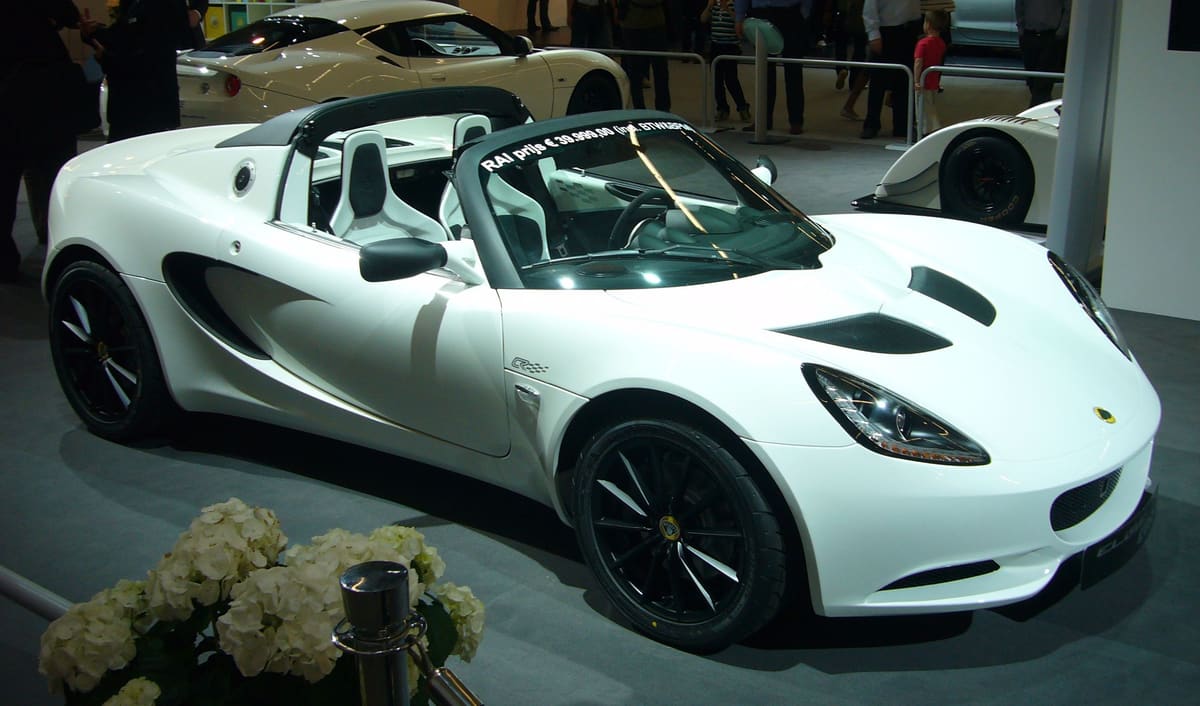
The Lotus Elise is generally considered a reliable sports car, with many owners reporting few issues over the years. However, reliability can vary by model year, with some years showing better dependability than others. Regular maintenance and care are key factors in ensuring long-term reliability.
Overview of Lotus Elise Reliability
The Lotus Elise has a reputation for being a lightweight and agile sports car, but this does not always translate to reliability. Overall, the Elise is known for its robust engineering, yet certain model years have experienced more issues than others. Owners often praise the driving experience but may encounter reliability concerns, particularly with older models.
The Elise’s build quality and materials can affect its long-term durability. While the car is designed for performance, this focus can sometimes lead to compromises in everyday reliability. Regular servicing and attention to detail can mitigate many potential issues, making it essential for owners to stay on top of maintenance.
Early Models (1996-2000)
The first generation of the Lotus Elise, produced from 1996 to 2000, laid the foundation for the model’s reputation. These early models are often praised for their lightweight design and engaging driving experience. However, some owners have reported issues related to electrical components and build quality.
While the early Elise models are generally reliable, they can suffer from age-related problems, such as wear on suspension components and seals. Owners should be vigilant about regular inspections and servicing to catch any potential issues before they escalate. The DVSA MOT data suggests that these models may require more frequent attention as they age.
Second Generation (2001-2011)
The second generation, introduced in 2001, brought improvements in both performance and reliability. Many owners report that the later models in this generation are more dependable, with fewer electrical issues and better overall build quality. However, some common problems include issues with the cooling system and occasional gearbox concerns.
Regular maintenance, including oil changes and coolant checks, is crucial for ensuring the longevity of these models. Owners should also be aware of the importance of using genuine parts to maintain reliability.
Post-2011 Models
The Elise underwent further refinements in the years following 2011, with updates to both performance and reliability. These models are often regarded as the most dependable, benefiting from lessons learned in previous generations. Owners report fewer issues with the engine and transmission, although some still experience minor electrical glitches.
Despite improvements, it is essential for owners to maintain a proactive approach to servicing. Regular checks on the electrical system and routine maintenance can help prevent small issues from becoming significant problems. The DVSA MOT data for these models reflects a positive trend in reliability, making them a solid choice for enthusiasts.
Common Issues Across All Years
While the Lotus Elise is generally reliable, certain issues have been reported across various model years. Common problems include electrical faults, cooling system leaks, and wear on suspension components. Owners should be aware of these potential issues and take steps to address them promptly.
Electrical issues can often be traced back to connectors and wiring that may degrade over time. Regular inspections can help identify these problems early. Additionally, maintaining the cooling system is vital, as overheating can lead to more severe engine damage if not addressed. Owners should also keep an eye on suspension components, as wear can affect handling and ride quality.
Importance of Regular Maintenance
Regular maintenance plays a crucial role in the reliability of the Lotus Elise. Adhering to the manufacturer’s service schedule can help prevent many common issues. This includes routine oil changes, coolant checks, and inspections of electrical components and suspension parts.
Investing in quality parts and services can significantly impact long-term reliability. Owners should consider using authorised service centres that specialise in Lotus vehicles to ensure that their cars receive the best care possible. Keeping detailed service records can also help identify patterns in reliability and assist in future resale value.
Owner Experiences and Reviews
Owner experiences with the Lotus Elise vary, but many report high satisfaction levels with the car’s performance and handling. However, some have noted that reliability can be a concern, particularly with older models. Reviews often highlight the importance of regular maintenance and the need for owners to be proactive in addressing potential issues.
Many recommend joining owner clubs or communities to gain insights and advice from fellow enthusiasts. These shared experiences can provide valuable information on common issues and best practices for keeping the Elise in top condition. Enthusiasts often share tips on forums and social media about how to maintain the Elise effectively.
Overall, while the Lotus Elise is a reliable sports car, its dependability can vary by model year. Regular maintenance and attention to common issues are essential for ensuring a long and trouble-free ownership experience.
Lotus Elise recall record
10 recalls have been issued for the Lotus Elise, between 1998 and 2020.
BOLTS SECURING THE FUEL RAIL TO THE CYCLINDER HEAD MAY FAIL.
R/2019/412Issued 20 February 2020
Bolts securing the fuel rail to the cylinder head may fail.
Remedy:The spacers and fuel rail securing bolts will be replaced with new revised parts
Affects cars built May 2012 to Jun 2019
REDUCTION OF BRAKING EFFICIENCY
R/2016/223Issued 29 September 2016
An error in production of the brake master cylinder may cause a reduction in braking efficiency.
Remedy:Replace the brake master cylinder on affected vehicles.
Affects cars built Mar 2016 to Sept 2016
RISK OF FIRE
R/2014/066Issued 15 November 2014
The oil cooler pipes may detach from their fittings and deposit oil in the engine compartment on the road/tyres which can lead to increased risk of fire and loss of vehicle control. Only the pipes with the smooth bore ferrules are affected.
Remedy:Elise Exige and 211: Recall the vehicles that are likely to be affected and repair or replace the oil cooler hoses. Evora: it is proposed that the oil cooler hose assemblies will be replaced with hoses that incorporate the current production released end fittings in accordance with Lotus workshop procedures.
Affects cars built Sept 2004 to Jan 2011
WHEEL HUB MAY BECOME INSECURE
R/2009/057Issued 1 June 2009
The bolts securing the rear wheel hubs to the suspension may not have been correctly tightened.
Remedy:Recall affected vehicles and check bolts for correct torque and if necessary remove and re-install bolts.
Affects cars built Jan 2009 to May 2009
6 older recalls not shown.
A recall applies to a build range, not to every car of this model. Check a registration to see whether one specific vehicle has an outstanding recall.
Lotus Elise MOT record
From 3,686 recorded MOT tests, 12.6% failed.
| Registered | Tests | Failed | Median mileage |
|---|---|---|---|
| 2007 | 214 | 7.9% | 43,152 mi |
| 2006 | 210 | 7.6% | 43,811 mi |
| 2005 | 228 | 10.5% | 45,451 mi |
| 2004 | 240 | 11.7% | 50,234 mi |
| 2003 | 270 | 10.0% | 50,252 mi |
| 2002 | 385 | 14.5% | 49,945 mi |
| 2001 | 243 | 11.9% | 52,962 mi |
| 2000 | 463 | 13.2% | 49,800 mi |
Most common reasons for failure
- Emissions levels exceed default limits23.5%
- Brake disc or drum excessively weakened, insecure or fractured22.8%
- The aim of a headlamp is not within limits laid down in the requirements21.9%
- Lambda coefficient outside the default limits or the range specified by the manufacturer16.8%
- Emissions levels exceed the manufacturer's specified limits15.0%
Figures cover every Lotus Elise tested in the DVSA dataset, not this specific car. Check a registration for the actual history of one vehicle.
Lotus Elise official figures
Median across 3 variants on sale, petrol.
- Combined economy
- 36.2 mpg
- WLTP median across variants
- CO2 emissions
- 177 g/km
- Sets the first-year tax rate
Official figures for new cars. Real economy varies with driving, load and conditions.
Frequently asked questions
How reliable is the Lotus Elise compared to other sports cars?
The Lotus Elise is generally considered reliable for a sports car, with a simple design that reduces potential issues. However, it may not match the reliability of more mainstream brands.
What common issues should I be aware of with the Lotus Elise?
Common issues include electrical faults, cooling system problems, and wear on suspension components. Regular maintenance can help mitigate these concerns.
Is it expensive to maintain a Lotus Elise?
Maintenance costs can be higher than average due to the specialised parts and labour required. However, regular servicing can help keep costs manageable.
Are there any specific models of the Lotus Elise that are more reliable?
While reliability can vary by individual car, later models tend to benefit from improved engineering and updates. Always check the service history of any specific vehicle.
What is the average lifespan of a Lotus Elise?
With proper care and maintenance, a Lotus Elise can last well over 100,000 miles. Many owners report enjoying their cars for many years without major issues.
Should I consider a warranty for a used Lotus Elise?
Yes, considering a warranty can provide peace of mind, especially for older models. It can help cover unexpected repairs and maintenance costs.
How does the Lotus Elise perform in winter conditions?
The Lotus Elise is not ideally suited for winter driving due to its lightweight and rear-wheel drive. It is best to use it in milder conditions or consider winter tyres if you plan to drive in colder months.
Sources
- DVSA anonymised MOT tests and results (Open Government Licence v3.0)
- VCA new car fuel consumption and emissions data (Open Government Licence v3.0)
- DVSA vehicle safety recalls (Open Government Licence v3.0)