Running costs
Peugeot 3008 running costs: what UK ownership really costs
Peugeot 3008 UK running costs: fuel or electric, insurance group, road tax, servicing and depreciation.
Updated 10th October 2026 DVSA data: Across 142,635 recorded MOT tests, 23.6% failed.
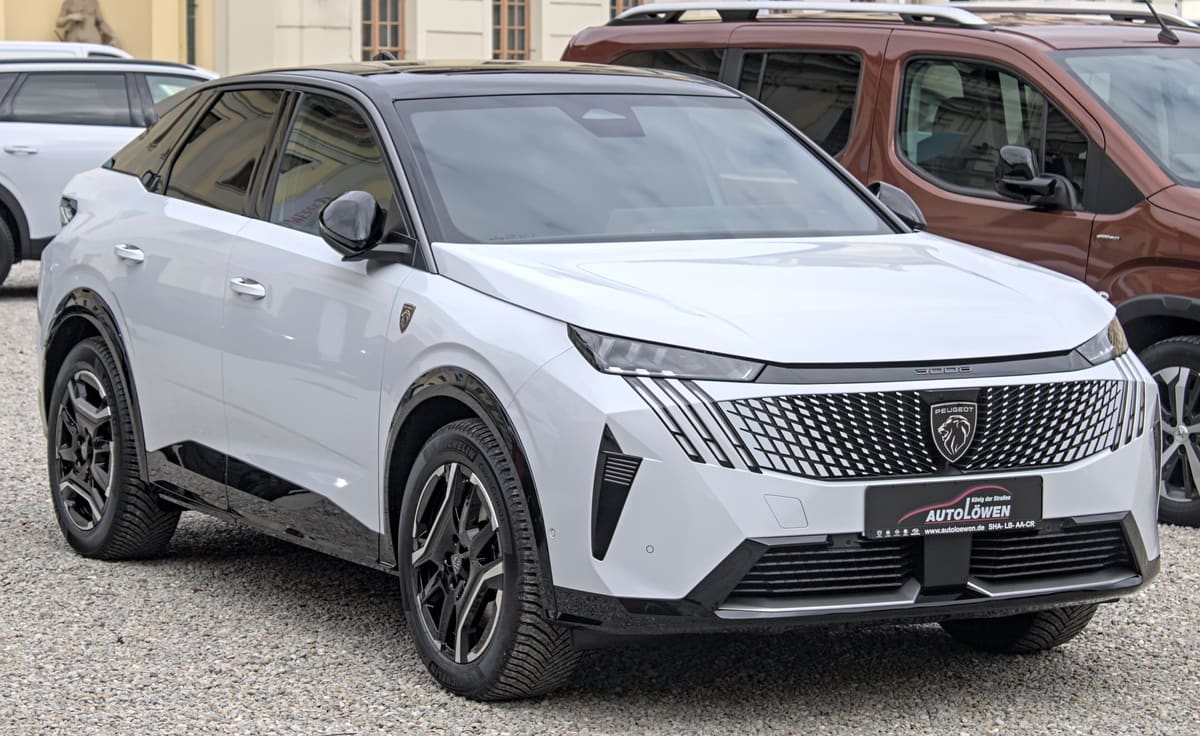
The Peugeot 3008’s running costs are shaped by its tax band, insurance group, servicing needs, and depreciation profile. Its tax depends on emissions and fuel type, while insurance varies with trim and driver details. Servicing is generally straightforward but can be pricier than smaller cars. Depreciation is moderate, reflecting its popularity and brand reputation.
Vehicle Tax and Its Impact on Running Costs
The cost of vehicle tax for the Peugeot 3008 is primarily influenced by the car’s CO2 emissions and fuel type. Petrol, diesel, and hybrid versions are taxed differently under the UK’s Vehicle Excise Duty (VED) system, with lower-emission models attracting lower rates. This means that choosing a version with cleaner emissions can significantly reduce annual tax bills.
The initial year’s tax rate is usually higher and based on official emissions figures, after which a standard rate applies unless the car falls into a zero-emission category. Diesel variants may face additional surcharges if they do not meet certain emissions standards, which can increase running costs. It is advisable to check the current government website for the exact tax band applicable to the specific model and trim you are considering, as this can vary widely.
Insurance Group and What Affects Premiums
Insurance costs for the Peugeot 3008 depend on the insurance group assigned to each model variant. This group is determined by factors such as vehicle performance, repair costs, safety features, and theft rates. Higher-powered trims or those with more expensive parts tend to be placed in higher groups, pushing premiums up.
Driver profile also plays a significant role, including age, driving history, and location. Safety equipment fitted as standard, such as multiple airbags and driver assistance systems, can help lower insurance costs by reducing the risk of injury or accident claims. To get an accurate idea of insurance costs, it is best to obtain quotes from multiple insurers, as premiums can vary substantially based on personal circumstances.
Servicing and Maintenance Considerations
The Peugeot 3008 requires regular servicing to maintain reliability and performance, with intervals typically set by the manufacturer’s recommendations. Routine maintenance includes oil changes, brake checks, tyre inspections, and fluid top-ups. While servicing costs are generally manageable, they tend to be higher than those of smaller hatchbacks due to the 3008’s size and complexity.
Diesel and hybrid variants may have additional servicing requirements, such as diesel particulate filter checks or battery health monitoring, which can add to maintenance expenses. Genuine Peugeot parts and authorised service centres might charge more than independent garages, but they ensure compatibility and warranty compliance. Budgeting for occasional repairs or replacements of wear-and-tear items like tyres and brakes is also important.
Fuel Economy and Its Influence on Running Costs
Fuel consumption is a key factor in the overall cost of running a Peugeot 3008. The car’s size and engine options mean that fuel efficiency varies between trims and powertrains. Smaller petrol engines and hybrid versions generally offer better economy, while larger diesels may provide strong performance but can be more expensive to run if driven mainly in urban conditions.
Driving style and conditions also affect fuel usage, with steady motorway cruising typically yielding better economy than stop-start city driving. Choosing a trim with the right balance of power and efficiency for your needs can help control fuel costs. Checking the official fuel consumption figures for the specific model you are interested in will provide a clearer picture of expected running expenses.
Depreciation and Resale Value
The Peugeot 3008 tends to hold its value moderately well compared to other vehicles in its segment. Its popularity as a family SUV and the strength of the Peugeot brand contribute to steady demand in the used car market. However, depreciation rates vary depending on factors like trim level, mileage, condition, and market trends.
Models with higher specification or low emissions may retain value better, while older or high-mileage examples typically see steeper declines. Regular maintenance and keeping the car in good condition can help preserve resale value. Prospective buyers should consider how long they plan to keep the vehicle, as depreciation will be a significant component of overall running costs.
Additional Running Costs to Consider
Beyond tax, insurance, servicing, and fuel, other expenses impact the cost of running a Peugeot 3008. Tyre replacement, for example, can be a notable cost depending on the size and type fitted to the vehicle. Larger alloy wheels and performance tyres usually cost more to replace.
Parking charges, congestion fees, and potential clean air zone charges in certain UK cities may also affect running costs, especially if the car’s emissions place it outside exempt categories. Finally, consider the cost of optional extras and accessories, which can add to initial outlay and affect insurance premiums. Being aware of all these factors helps create a realistic budget for owning a Peugeot 3008.
Peugeot 3008 recall record
53 recalls have been issued for the Peugeot 3008, between 2009 and 2026.
Wrong Tire Class in CoC
R/2026/256Issued 3 July 2026
Affected vehicles may have a tyre class mismatch between the technical specification declared in the Certificate of Conformity and the actual vehicle configuration.
Remedy:Check the tyre class of all vehicle tyres and exchange all 4 for Class A+ tyres if necessary
Affects cars built Mar 2025 to Apr 2025
VSM software Interior door handles
R/2026/228Issued 3 June 2026
Affected vehicles may experience an unexpected deactivation of the interior door handles when the key is in engine-running mode which could result in occupants being unable to exit.
Remedy:Update the Vehicle Supervision Module software.
Affects cars built Oct 2023 to Jul 2025
MCU inverter
R/2026/161Issued 24 April 2026
On affected vehicles the Motor Control Unit (MCU) Inverter may have a manufacturing deviation which could lead to gearbox malfunctions and the risk of an internal electrical short circuit leading to overheating or a fire.
Remedy:Replace the MCU Inverter.
Affects cars built Mar 2026 to Mar 2026
VSM software missing AEB telltale in case of blind camera.
R/2025/542Issued 21 April 2026
On certain Peugeot vehicles the Automatic Emergency Braking Assist telltale fails to illuminate if the front camera is blocked. No AEB warning telltale meaning no warning light appears in the instrument cluster. An additional pop-up appears for around 10 seconds at each key on/key off (Driving Assistance Sensor Blind: clean sensor see User Manual). The Automatic Emergency Braking system is operating in a degraded mode but remains functional due to radar support.
Remedy:To rectify this issue we will update the Vehicle System Management software
Affects cars built Sept 2023 to Jul 2024
49 older recalls not shown.
A recall applies to a build range, not to every car of this model. Check a registration to see whether one specific vehicle has an outstanding recall.
Peugeot 3008 MOT record
From 142,635 recorded MOT tests, 23.6% failed.
| Registered | Tests | Failed | Median mileage |
|---|---|---|---|
| 2023 | 254 | 5.5% | 21,615 mi |
| 2022 | 9,128 | 8.3% | 24,727 mi |
| 2021 | 11,394 | 8.7% | 33,701 mi |
| 2020 | 11,395 | 11.4% | 37,976 mi |
| 2019 | 18,711 | 14.1% | 47,485 mi |
| 2018 | 18,341 | 18.6% | 55,686 mi |
| 2017 | 16,199 | 22.0% | 61,764 mi |
| 2016 | 6,365 | 30.1% | 64,154 mi |
Most common reasons for failure
- Tyre tread depth not in accordance with the requirements35.6%
- A suspension pin, bush or joint excessively worn23.0%
- a brake lining or pad worn below 1.5mm14.6%
- Brake disc or drum excessively weakened, insecure or fractured14.2%
- A spring or spring component fractured or seriously weakened12.6%
Figures cover every Peugeot 3008 tested in the DVSA dataset, not this specific car. Check a registration for the actual history of one vehicle.
Peugeot 3008 official figures
Median across 26 variants on sale, electricity, electricity / petrol, petrol electric.
- Combined economy
- 44.6 mpg
- WLTP median across variants
- CO2 emissions
- 143 g/km
- Sets the first-year tax rate
- Electric range
- 258 miles
- Manufacturer WLTP figure
Official figures for new cars. Real economy varies with driving, load and conditions.
Frequently asked questions
What should I check to keep the Peugeot 3008’s diesel particulate filter in good condition?
To maintain the diesel particulate filter, it’s important to drive the car at higher engine speeds regularly to allow the filter to regenerate. Short city trips can cause clogging, so a longer run on a motorway helps burn off soot buildup and prevents warning lights related to the filter.
How often does the Peugeot 3008 need its timing belt replaced?
The timing belt on a Peugeot 3008 typically requires replacement around the 60,000 to 100,000-mile mark, depending on the engine type. It’s crucial to follow the service schedule because a worn belt can cause severe engine damage if it snaps.
Are there any specific warning lights I should watch for that indicate costly repairs on a Peugeot 3008?
Pay close attention to the engine management light and the glow plug warning light on diesel models. These can indicate issues with the fuel injection system or the particulate filter, which may need diagnostic checks and specialist repairs.
Does the Peugeot 3008 require special maintenance for its hybrid system?
Hybrid versions of the 3008 have additional components like the high-voltage battery and electric motor that need periodic checks. Regular servicing should include inspection of the battery cooling system and software updates to ensure smooth operation.
What are typical brake maintenance needs for the Peugeot 3008?
Brake pads and discs on the 3008 wear depending on driving style, but the car’s regenerative braking system on hybrid models can extend their life. Still, it’s advisable to have the brake fluid replaced at intervals and check for any unusual noises or reduced braking performance.
How can I check if the Peugeot 3008’s turbocharger is functioning properly?
Listen for unusual whining noises under acceleration and check for excessive smoke from the exhaust, which can indicate turbo issues. A drop in power or a turbo warning light on the dashboard should prompt a garage inspection to avoid further engine damage.
Is there anything specific to watch for with the Peugeot 3008’s electrical system?
Owners should monitor the dashboard for battery or alternator warning lights, especially if accessories like infotainment or lighting start behaving erratically. The 3008’s complex electrical setup means that battery health and alternator output are key to avoiding breakdowns.
What routine checks can help reduce running costs on a Peugeot 3008?
Regularly checking tyre pressure and keeping the tyres properly inflated improves fuel efficiency and tyre lifespan. Also, ensuring the air filter is clean helps the engine breathe better, which can reduce fuel consumption and prevent strain on components like the mass airflow sensor.
Sources
- DVSA anonymised MOT tests and results (Open Government Licence v3.0)
- VCA new car fuel consumption and emissions data (Open Government Licence v3.0)
- DVSA vehicle safety recalls (Open Government Licence v3.0)