Top fixes
Top Peugeot 3008 fixes every owner should know
Cheap, practical fixes for the Peugeot 3008 faults you actually meet, with rough costs and what a garage will charge.
Updated 4th September 2026 DVSA data: Across 142,635 recorded MOT tests, 23.6% failed.
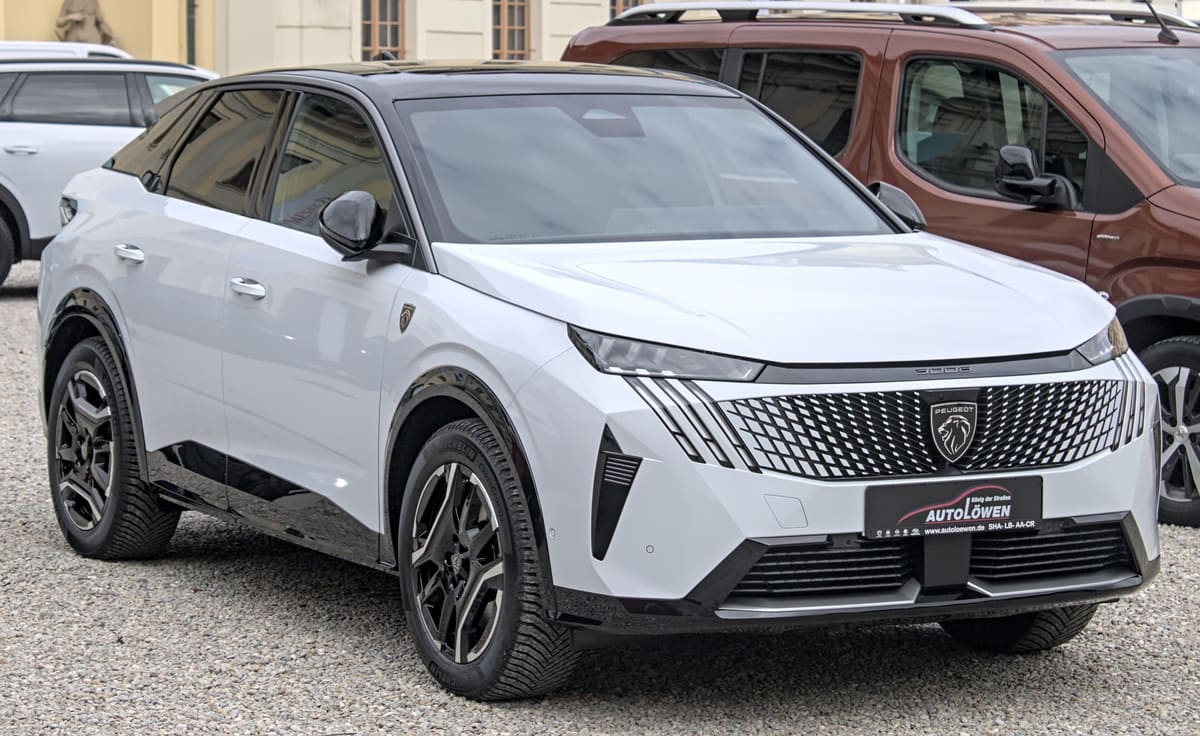
The Peugeot 3008 is generally reliable but can develop a few common issues over time. Practical fixes include addressing warning lights caused by sensor faults, resolving infotainment glitches, repairing door lock problems, and tackling minor suspension noises. Some repairs are straightforward DIY tasks, while others require professional attention due to complexity or safety concerns.
Engine Warning Lights and Sensor Faults
If your Peugeot 3008’s dashboard displays warning lights such as the engine management light or emissions alerts, the cause is often a faulty sensor or a minor engine management issue. Common culprits include oxygen sensors, mass airflow sensors, or the EGR valve.
Replacing a sensor typically involves locating the faulty component using a diagnostic tool, disconnecting the electrical connector, and unscrewing the sensor. New sensors can then be fitted and reconnected. While some owners with basic mechanical skills and the right tools can manage this at home, a garage visit is advisable if you lack diagnostic equipment or are unsure about handling engine components safely. Incorrect repairs can lead to further issues or failed emissions tests.
Infotainment System Glitches
Owners frequently report intermittent freezing, unresponsive touchscreens, or Bluetooth connectivity problems with the Peugeot 3008’s infotainment system. These symptoms often stem from software bugs or loose wiring connections behind the dashboard.
A practical fix starts with performing a system reset, which can sometimes be done by holding down the power button or disconnecting the car battery briefly. If the problem persists, checking and reseating wiring connectors behind the unit may help. This requires removing trim panels carefully to avoid damage. For software-related faults, dealerships or specialist garages can perform updates or module replacements.
DIY fixes are possible for resets and simple connector checks, but if the system needs reprogramming or hardware replacement, professional intervention is recommended.
Door Lock and Central Locking Issues
Problems with door locks failing to operate correctly, such as doors not locking or unlocking with the remote, are common on the 3008. The issue often lies with the central locking actuators or the key fob battery.
Replacing the key fob battery is a simple DIY task involving opening the fob case and swapping the battery. If the problem is with the door lock actuator, this requires removing the door trim panel, disconnecting the faulty actuator, and fitting a new one. This job is more involved and demands some mechanical aptitude and the right tools to avoid damaging clips or wiring.
If you are confident with door panel removal and reassembly, it can be done at home. Otherwise, a garage can complete the repair efficiently.
Suspension Noise and Ride Comfort
Owners sometimes notice knocking or creaking noises from the suspension, especially over bumps or uneven surfaces. This can be caused by worn suspension bushes, anti-roll bar links, or shock absorbers.
Diagnosing the exact source involves a physical inspection of suspension components for wear or damage. Replacing worn bushes or links requires lifting the vehicle safely, removing the affected parts, and fitting new ones. Shock absorber replacement is more complex, often involving spring compressors and precise reassembly.
Due to the safety implications and specialised tools needed, suspension repairs are best handled by a professional garage unless you have experience and equipment for suspension work.
Diesel Particulate Filter (DPF) Blockage
For diesel versions of the 3008, a common issue is blockage of the diesel particulate filter, which can trigger warning lights and reduce engine performance. This happens when the filter does not regenerate properly, often due to short journeys or city driving.
A practical fix involves driving the car at sustained higher speeds on a motorway to allow the DPF to regenerate. If this does not clear the blockage, a forced regeneration using diagnostic equipment at a garage may be necessary. In severe cases, the DPF might need cleaning or replacement.
DIY forced regeneration is not possible without specialised tools, so professional help is required if simple driving does not resolve the issue.
Electrical and Battery Problems
Some Peugeot 3008 owners experience issues with battery drain or electrical gremlins causing warning lights or intermittent faults. The cause can be ageing batteries, poor connections, or parasitic drains from electrical components.
Replacing the battery is a straightforward DIY job, provided you have the correct replacement and follow safety precautions. Cleaning battery terminals and checking for loose connections can also help. However, diagnosing parasitic drains requires a multimeter and some electrical knowledge, so a garage visit might be necessary if problems persist.
Regular battery health checks and ensuring all electrical accessories are switched off when the car is parked can prevent many of these issues.
Peugeot 3008 recall record
53 recalls have been issued for the Peugeot 3008, between 2009 and 2026.
Wrong Tire Class in CoC
R/2026/256Issued 3 July 2026
Affected vehicles may have a tyre class mismatch between the technical specification declared in the Certificate of Conformity and the actual vehicle configuration.
Remedy:Check the tyre class of all vehicle tyres and exchange all 4 for Class A+ tyres if necessary
Affects cars built Mar 2025 to Apr 2025
VSM software Interior door handles
R/2026/228Issued 3 June 2026
Affected vehicles may experience an unexpected deactivation of the interior door handles when the key is in engine-running mode which could result in occupants being unable to exit.
Remedy:Update the Vehicle Supervision Module software.
Affects cars built Oct 2023 to Jul 2025
MCU inverter
R/2026/161Issued 24 April 2026
On affected vehicles the Motor Control Unit (MCU) Inverter may have a manufacturing deviation which could lead to gearbox malfunctions and the risk of an internal electrical short circuit leading to overheating or a fire.
Remedy:Replace the MCU Inverter.
Affects cars built Mar 2026 to Mar 2026
VSM software missing AEB telltale in case of blind camera.
R/2025/542Issued 21 April 2026
On certain Peugeot vehicles the Automatic Emergency Braking Assist telltale fails to illuminate if the front camera is blocked. No AEB warning telltale meaning no warning light appears in the instrument cluster. An additional pop-up appears for around 10 seconds at each key on/key off (Driving Assistance Sensor Blind: clean sensor see User Manual). The Automatic Emergency Braking system is operating in a degraded mode but remains functional due to radar support.
Remedy:To rectify this issue we will update the Vehicle System Management software
Affects cars built Sept 2023 to Jul 2024
49 older recalls not shown.
A recall applies to a build range, not to every car of this model. Check a registration to see whether one specific vehicle has an outstanding recall.
Peugeot 3008 MOT record
From 142,635 recorded MOT tests, 23.6% failed.
| Registered | Tests | Failed | Median mileage |
|---|---|---|---|
| 2023 | 254 | 5.5% | 21,615 mi |
| 2022 | 9,128 | 8.3% | 24,727 mi |
| 2021 | 11,394 | 8.7% | 33,701 mi |
| 2020 | 11,395 | 11.4% | 37,976 mi |
| 2019 | 18,711 | 14.1% | 47,485 mi |
| 2018 | 18,341 | 18.6% | 55,686 mi |
| 2017 | 16,199 | 22.0% | 61,764 mi |
| 2016 | 6,365 | 30.1% | 64,154 mi |
Most common reasons for failure
- Tyre tread depth not in accordance with the requirements35.6%
- A suspension pin, bush or joint excessively worn23.0%
- a brake lining or pad worn below 1.5mm14.6%
- Brake disc or drum excessively weakened, insecure or fractured14.2%
- A spring or spring component fractured or seriously weakened12.6%
Figures cover every Peugeot 3008 tested in the DVSA dataset, not this specific car. Check a registration for the actual history of one vehicle.
Peugeot 3008 official figures
Median across 26 variants on sale, electricity, electricity / petrol, petrol electric.
- Combined economy
- 44.6 mpg
- WLTP median across variants
- CO2 emissions
- 143 g/km
- Sets the first-year tax rate
- Electric range
- 258 miles
- Manufacturer WLTP figure
Official figures for new cars. Real economy varies with driving, load and conditions.
Frequently asked questions
What are common faults with the Peugeot 3008?
Common faults include electrical issues, faulty EGR valves, and suspension problems.
Can I fix these issues myself?
Many of these fixes are DIY-able, but some may require professional help.
Are these fixes temporary or permanent?
Some fixes are temporary patches, while others provide a long-term solution.
Sources
- DVSA anonymised MOT tests and results (Open Government Licence v3.0)
- VCA new car fuel consumption and emissions data (Open Government Licence v3.0)
- DVSA vehicle safety recalls (Open Government Licence v3.0)