Running costs
BMW 4 Series running costs: what UK ownership really costs
BMW 4 Series UK running costs: fuel or electric, insurance group, road tax, servicing and depreciation.
Updated 4th September 2026 DVSA data: Across 96,245 recorded MOT tests, 15.0% failed.
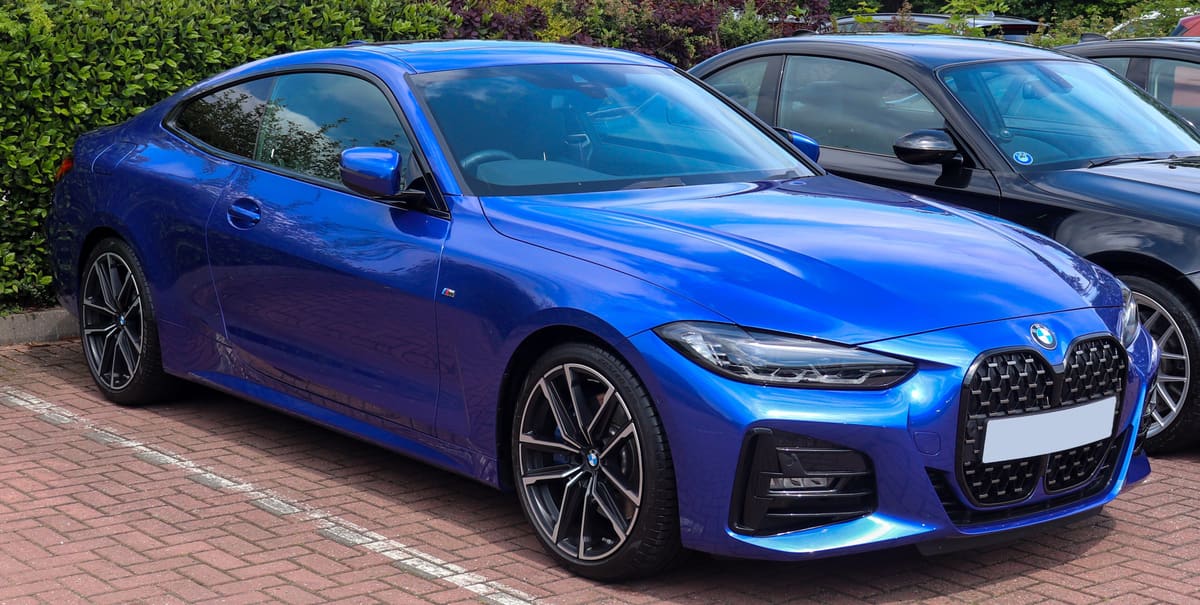
The BMW 4 Series offers a blend of performance and luxury, but potential owners should consider the running costs. Fuel efficiency varies by model, with petrol and diesel options, while insurance groups range from 30 to 50. Road tax depends on emissions, servicing intervals are generally every 12 months or 18,000 miles, and depreciation can be significant.
Fuel Economy and Efficiency
The fuel economy of the BMW 4 Series varies significantly across its engine range. The plug-in hybrid option, the 430e, provides an electric-only range of approximately 30 miles, making it an appealing choice for urban driving and reducing fuel costs.
When considering fuel costs, it’s essential to factor in the type of driving you will be doing. Urban driving tends to yield lower fuel efficiency, while motorway cruising can improve figures. Additionally, the 4 Series has a reputation for being relatively efficient for a luxury vehicle, which can help mitigate overall running costs.
Insurance Groups
The BMW 4 Series falls into a wide range of insurance groups, typically from 30 to 50, depending on the model and specifications. Higher performance models, such as the M440i, will naturally attract higher premiums due to their increased power and desirability. Conversely, the lower-powered variants, like the 420i, are more affordable to insure.
When calculating insurance costs, it’s wise to shop around and compare quotes from different providers. Factors such as your driving history, location, and the level of coverage you choose will influence the final premium. Additionally, some insurers offer discounts for advanced driving courses, which can further reduce costs.
Road Tax and Emissions
Road tax for the BMW 4 Series is determined by its CO2 emissions. Models with lower emissions will incur lower tax rates, while higher-performance versions may fall into higher tax bands. Generally, petrol models tend to have higher emissions than their diesel counterparts, which can affect the annual tax cost.
For example, a 420d diesel model may attract a lower tax band due to its efficient engine, while a 440i petrol variant could see significantly higher charges. It’s important to check the specific emissions figures for the model you are considering, as this will directly impact your road tax obligations.
Servicing Intervals and Costs
Servicing for the BMW 4 Series is typically recommended every 12 months or 18,000 miles, whichever comes first. Regular maintenance is crucial for keeping the vehicle in optimal condition and can help prevent costly repairs down the line. BMW offers a service package that can help manage costs, especially for those who plan to keep their car for several years.
The cost of servicing can vary depending on the dealership and the specific service required. Routine maintenance, such as oil changes and brake inspections, is generally more affordable, while major services that include timing belt replacements or other significant work can be more expensive. Owners should budget for these costs to ensure their vehicle remains reliable.
Typical Depreciation Rates
Depreciation is an important factor to consider when purchasing a BMW 4 Series. However, the 4 Series tends to hold its value relatively well compared to some competitors, thanks to its strong brand reputation and desirability in the used car market.
Factors influencing depreciation include mileage, condition, and market demand. Models with lower mileage and those that are well-maintained will typically experience slower depreciation. Additionally, special editions or models with unique features may retain their value better than standard variants.
Overall Ownership Costs
When considering the total ownership costs of a BMW 4 Series, it’s essential to factor in all aspects, including fuel, insurance, road tax, servicing, and depreciation. While the initial purchase price may be higher than some alternatives, the 4 Series offers a premium driving experience that many owners find justifies the expense.
Potential buyers should conduct thorough research and consider their driving habits and preferences. Understanding the complete picture of running costs can help ensure that the BMW 4 Series remains an enjoyable and financially viable choice over the long term.
BMW 4 Series recall record
18 recalls have been issued for the BMW 4 Series, between 2017 and 2026.
Replace the Engine Starter Motor
R/2026/054Issued 2 March 2026
The Safety Recall relates to the engine starter motor. The fault relates to the RSW22 starter RWT (reinforced water tightness). It was found that with RWT starters an increased abrasion of the magnetic contact can cause the growth of deposits at the lowest point of the relay interior. This in turn may increase the relay contact resistance resulting in false starts or even causing short circuits and possibly a thermal reaction. In case of a short circuit the possibility of a thermal event cannot be excluded. This may happen while attempting to start the vehicle or while driving due to vibrations causing a short circuit due to moving deposits.
Remedy:On the affected vehicles the starter motor will be replaced with a variant by another supplier with a different design. Until the repair has been completed it is recommended to not leave the vehicle running unattended after starting the engine.
Affects cars built Aug 2020 to Nov 2022
Takata Driver and/or Passenger Airbag Recall (Global VINs)
R/2025/349Issued 18 December 2025
Affected vehicles are already included in Safety Recalls within the markets they have previously resided in. The vehicles may be fitted with a driver and/or passenger airbag/s which if deployed may do so with excessive force causing sharp metal fragments to be released this may cause serious injury which could prove fatal to people in the vicinity.
Remedy:Vehicles will have the affected airbags checked and if necessary replaced.
Affects cars built Mar 2014 to Oct 2017
Replace the Engine Starter Motor
R/2025/405Issued 27 October 2025
For affected vehicles there is a concern involving water ingress and corrosion to the starter motor for where a short circuit cannot be ruled out. It is strongly recommended to park the vehicle outdoors and not in the immediate vicinity of buildings until the repair has been carried out.
Remedy:Replacement of the starter motor.
Affects cars built Dec 2019 to Jul 2020
Screw Connection of the Power Supply
R/2025/407Issued 6 October 2025
On affected vehicles the screw connection on the B+ power distributor in the vehicle's boot may have not been properly tightened.
Remedy:On affected vehicles the connections will be reworked.
Affects cars built Jul 2025 to Jul 2025
14 older recalls not shown.
A recall applies to a build range, not to every car of this model. Check a registration to see whether one specific vehicle has an outstanding recall.
BMW 4 Series MOT record
From 96,245 recorded MOT tests, 15.0% failed.
| Registered | Tests | Failed | Median mileage |
|---|---|---|---|
| 2021 | 408 | 9.8% | 34,458 mi |
| 2020 | 3,820 | 11.8% | 38,032 mi |
| 2019 | 10,075 | 13.5% | 47,163 mi |
| 2018 | 15,356 | 13.0% | 55,686 mi |
| 2017 | 16,972 | 13.5% | 67,299 mi |
| 2016 | 18,050 | 14.5% | 77,676 mi |
| 2015 | 17,821 | 17.1% | 84,909 mi |
| 2014 | 12,230 | 19.3% | 89,477 mi |
Most common reasons for failure
- Tyre tread depth not in accordance with the requirements39.0%
- A tyre seriously damaged23.9%
- a brake lining or pad worn below 1.5mm14.5%
- A tyre cords visible or damaged11.5%
- Brake disc or drum excessively weakened, insecure or fractured11.1%
Figures cover every BMW 4 Series tested in the DVSA dataset, not this specific car. Check a registration for the actual history of one vehicle.
BMW 4 Series official figures
Median across 21 variants on sale, petrol, petrol electric.
- Combined economy
- 40.3 mpg
- WLTP median across variants
- CO2 emissions
- 159 g/km
- Sets the first-year tax rate
Official figures for new cars. Real economy varies with driving, load and conditions.
Frequently asked questions
What are the average fuel costs for a BMW 4 Series?
The fuel costs for a BMW 4 Series can vary depending on the engine type and driving style. Generally, you can expect to pay more for petrol models compared to diesel, which tend to be more fuel-efficient.
How much does insurance typically cost for a BMW 4 Series?
Insurance costs for a BMW 4 Series can vary widely based on factors like your age, driving history, and location. On average, you might find insurance premiums to be higher than for more standard vehicles.
What are the maintenance costs associated with a BMW 4 Series?
Maintenance costs for a BMW 4 Series can be higher than average due to the brand's premium status. Regular servicing, parts, and labour can add up, so it's wise to budget for these expenses.
Are there any common running costs I should be aware of?
Common running costs for a BMW 4 Series include fuel, insurance, road tax, and maintenance. Additionally, consider potential costs for tyres and unexpected repairs.
How does the BMW 4 Series compare to other cars in its class for running costs?
The BMW 4 Series generally has higher running costs compared to non-premium brands. However, it may offer better performance and features, which some buyers find justifies the expense.
What is the average road tax for a BMW 4 Series?
Road tax for a BMW 4 Series depends on the specific model and its CO2 emissions. Typically, you can expect to pay a higher rate for models with larger engines.
How can I reduce running costs for my BMW 4 Series?
To reduce running costs, consider regular maintenance, driving efficiently, and keeping tyres properly inflated. Additionally, shopping around for insurance can help you find better rates.
Sources
- DVSA anonymised MOT tests and results (Open Government Licence v3.0)
- VCA new car fuel consumption and emissions data (Open Government Licence v3.0)
- DVSA vehicle safety recalls (Open Government Licence v3.0)