Top fixes
BMW 4 Series top fixes: how owners handle the common issues
Practical fixes for the common BMW 4 Series faults owners run into.
Updated 4th September 2026 DVSA data: Across 96,245 recorded MOT tests, 15.0% failed.
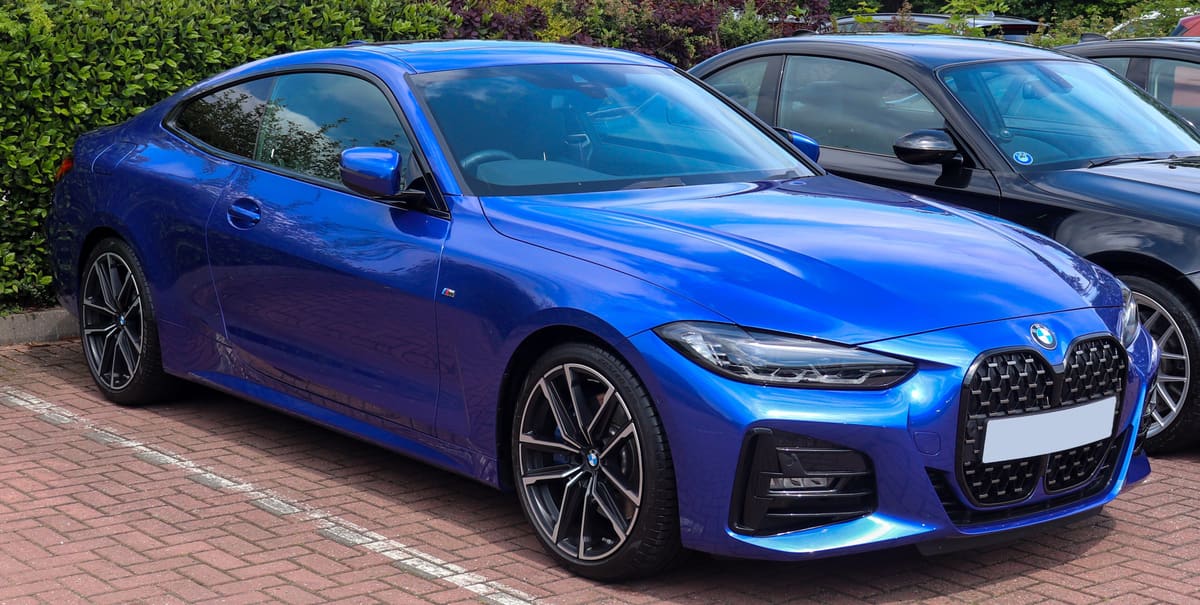
The BMW 4 Series is a stylish and dynamic vehicle, but like any car, it can experience issues over time. Common problems reported by owners include electrical faults, suspension wear, and engine performance concerns. Fortunately, there are practical fixes for these issues that can help maintain the vehicle’s performance and reliability.
Electrical Issues
One of the most frequently reported problems with the BMW 4 Series is electrical faults. Owners often experience issues with the infotainment system, dashboard warning lights, and battery drainage. To address these issues, it is advisable to check the battery connections and ensure they are clean and secure.
If the infotainment system is unresponsive, performing a soft reset can often resolve the issue. This can be done by holding down the power button until the system restarts. For persistent warning lights, using an OBD-II scanner to read the fault codes can help identify the underlying problem, allowing for targeted repairs.
Suspension Problems
Suspension wear is another common complaint among BMW 4 Series owners, particularly those who drive on uneven roads. Symptoms may include a bumpy ride, knocking noises, or uneven tyre wear. Regularly inspecting the suspension components, such as shock absorbers and bushings, is crucial for early detection of wear.
If you notice any signs of wear, replacing worn components can significantly improve ride quality. Additionally, having a professional alignment check can help prevent uneven tyre wear and enhance handling. Keeping the suspension system well-maintained will ensure a smoother driving experience.
Engine Performance
Some BMW 4 Series owners report issues with engine performance, including rough idling, reduced power, and increased fuel consumption. These issues can often be traced back to problems with the fuel system or air intake. Regularly replacing the air filter and fuel filter can help maintain optimal engine performance.
If the engine is running rough, it may be beneficial to check the spark plugs and ignition coils. Replacing worn spark plugs can improve fuel efficiency and overall engine performance. Regular servicing, including oil changes and using high-quality fuel, can also help prevent performance-related issues.
Cooling System Failures
Cooling system failures can lead to overheating, which is a serious issue for any vehicle. Owners of the BMW 4 Series have reported problems with the water pump and thermostat. Regularly checking the coolant level and inspecting for leaks can help prevent overheating.
If you notice the temperature gauge rising, it is essential to stop the vehicle and allow it to cool down. Replacing a faulty water pump or thermostat can prevent further damage to the engine. Additionally, flushing the cooling system every few years can help maintain its efficiency and prevent blockages.
Brake System Concerns
Brake system issues are critical for safety and are commonly reported by BMW 4 Series owners. Symptoms may include squeaking noises, reduced braking performance, or a spongy brake pedal. Regularly inspecting brake pads and discs is essential for ensuring optimal braking performance.
If you notice any signs of wear, replacing the brake pads and discs promptly can prevent further damage and ensure safety. Additionally, bleeding the brake system to remove air can improve pedal feel and responsiveness. Keeping the brake fluid at the correct level is also crucial for maintaining brake performance.
Tyre Wear and Maintenance
Tyre wear is a common issue that can affect the handling and safety of the BMW 4 Series. Owners should regularly check tyre pressure and tread depth to ensure optimal performance. Under-inflated tyres can lead to uneven wear and reduced fuel efficiency.
Rotating the tyres every 5,000 to 7,500 miles can help promote even wear and extend their lifespan. Additionally, having the alignment checked can prevent premature tyre wear and improve handling. Keeping tyres properly maintained is essential for safety and performance on the road.
BMW 4 Series recall record
18 recalls have been issued for the BMW 4 Series, between 2017 and 2026.
Replace the Engine Starter Motor
R/2026/054Issued 2 March 2026
The Safety Recall relates to the engine starter motor. The fault relates to the RSW22 starter RWT (reinforced water tightness). It was found that with RWT starters an increased abrasion of the magnetic contact can cause the growth of deposits at the lowest point of the relay interior. This in turn may increase the relay contact resistance resulting in false starts or even causing short circuits and possibly a thermal reaction. In case of a short circuit the possibility of a thermal event cannot be excluded. This may happen while attempting to start the vehicle or while driving due to vibrations causing a short circuit due to moving deposits.
Remedy:On the affected vehicles the starter motor will be replaced with a variant by another supplier with a different design. Until the repair has been completed it is recommended to not leave the vehicle running unattended after starting the engine.
Affects cars built Aug 2020 to Nov 2022
Takata Driver and/or Passenger Airbag Recall (Global VINs)
R/2025/349Issued 18 December 2025
Affected vehicles are already included in Safety Recalls within the markets they have previously resided in. The vehicles may be fitted with a driver and/or passenger airbag/s which if deployed may do so with excessive force causing sharp metal fragments to be released this may cause serious injury which could prove fatal to people in the vicinity.
Remedy:Vehicles will have the affected airbags checked and if necessary replaced.
Affects cars built Mar 2014 to Oct 2017
Replace the Engine Starter Motor
R/2025/405Issued 27 October 2025
For affected vehicles there is a concern involving water ingress and corrosion to the starter motor for where a short circuit cannot be ruled out. It is strongly recommended to park the vehicle outdoors and not in the immediate vicinity of buildings until the repair has been carried out.
Remedy:Replacement of the starter motor.
Affects cars built Dec 2019 to Jul 2020
Screw Connection of the Power Supply
R/2025/407Issued 6 October 2025
On affected vehicles the screw connection on the B+ power distributor in the vehicle's boot may have not been properly tightened.
Remedy:On affected vehicles the connections will be reworked.
Affects cars built Jul 2025 to Jul 2025
14 older recalls not shown.
A recall applies to a build range, not to every car of this model. Check a registration to see whether one specific vehicle has an outstanding recall.
BMW 4 Series MOT record
From 96,245 recorded MOT tests, 15.0% failed.
| Registered | Tests | Failed | Median mileage |
|---|---|---|---|
| 2021 | 408 | 9.8% | 34,458 mi |
| 2020 | 3,820 | 11.8% | 38,032 mi |
| 2019 | 10,075 | 13.5% | 47,163 mi |
| 2018 | 15,356 | 13.0% | 55,686 mi |
| 2017 | 16,972 | 13.5% | 67,299 mi |
| 2016 | 18,050 | 14.5% | 77,676 mi |
| 2015 | 17,821 | 17.1% | 84,909 mi |
| 2014 | 12,230 | 19.3% | 89,477 mi |
Most common reasons for failure
- Tyre tread depth not in accordance with the requirements39.0%
- A tyre seriously damaged23.9%
- a brake lining or pad worn below 1.5mm14.5%
- A tyre cords visible or damaged11.5%
- Brake disc or drum excessively weakened, insecure or fractured11.1%
Figures cover every BMW 4 Series tested in the DVSA dataset, not this specific car. Check a registration for the actual history of one vehicle.
BMW 4 Series official figures
Median across 21 variants on sale, petrol, petrol electric.
- Combined economy
- 40.3 mpg
- WLTP median across variants
- CO2 emissions
- 159 g/km
- Sets the first-year tax rate
Official figures for new cars. Real economy varies with driving, load and conditions.
Frequently asked questions
What common issues should I look for in a BMW 4 Series?
Common issues in the BMW 4 Series include electrical problems, oil leaks, and issues with the cooling system. It's important to check for any warning lights on the dashboard and to review the service history.
How can I tell if the brakes need fixing?
If you notice squeaking, grinding noises, or a spongy brake pedal, it may indicate that the brakes need attention. Additionally, if the car pulls to one side when braking, it is advisable to have them checked.
Are there any specific recalls for the BMW 4 Series?
Recalls are issued against individual vehicles rather than a model as a whole, so a model-level yes or no would be guesswork. Enter the registration on Honest Car Check and we check the DVSA record for that specific car. Where DVSA holds no status, confirm it with a franchised dealer using the VIN.
What should I do if my BMW 4 Series has a warning light on?
If a warning light appears, it's best to consult the owner's manual to identify the issue. If it indicates a serious problem, you should have the vehicle inspected by a qualified mechanic as soon as possible.
What are the signs of a failing turbocharger in a BMW 4 Series?
Signs of a failing turbocharger include a loss of power, unusual noises, and excessive exhaust smoke. If you experience these symptoms, it is important to have the turbocharger inspected.
Can I perform basic maintenance on my BMW 4 Series myself?
Yes, basic maintenance tasks like changing the oil, replacing air filters, and checking tyre pressure can often be done at home. However, for more complex issues, it is advisable to seek professional help.
Sources
- DVSA anonymised MOT tests and results (Open Government Licence v3.0)
- VCA new car fuel consumption and emissions data (Open Government Licence v3.0)
- DVSA vehicle safety recalls (Open Government Licence v3.0)