Running costs
Volkswagen T-Roc running costs: what UK ownership really costs
Volkswagen T-Roc UK running costs: fuel or electric, insurance group, road tax, servicing and depreciation.
Updated 3rd October 2026 DVSA data: Across 92,119 recorded MOT tests, 7.3% failed.
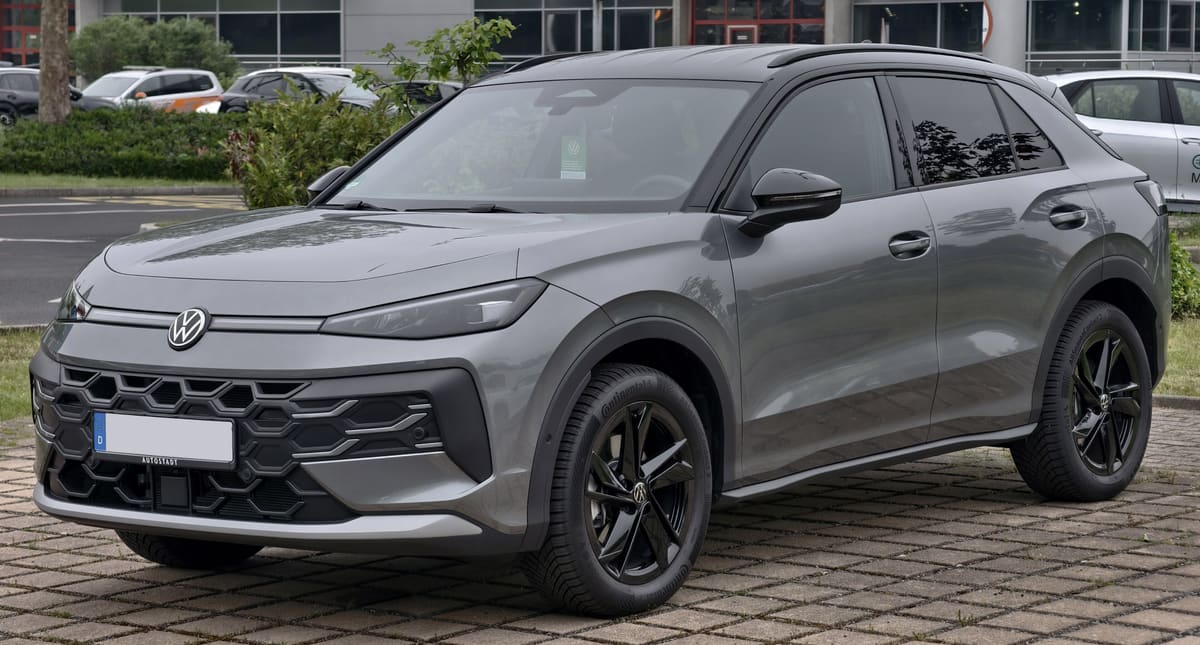
The Volkswagen T-Roc’s running costs are influenced by its tax band, insurance group, servicing needs and depreciation. Its tax depends on emissions and fuel type, insurance varies with model and driver profile, servicing is straightforward but not cheap, and it holds value reasonably well for a compact SUV. Understanding these factors helps manage ownership expenses effectively.
Vehicle Tax and How It Affects Running Costs
The cost of vehicle tax for the Volkswagen T-Roc is primarily determined by its CO2 emissions and fuel type, as set out by the UK government’s vehicle taxation system. Petrol and diesel versions are taxed differently, with diesel models often facing higher rates unless they meet strict emissions standards.
Newer T-Roc models with lower emissions benefit from reduced first-year tax rates, while subsequent years are charged at a standard rate based on engine size or emissions. Electric or hybrid variants, if available, may qualify for lower or zero tax, but this depends on the exact powertrain and emissions figures. Checking the official government website for the current tax bands is essential, as these rates can change with policy updates.
The tax system encourages buyers to consider cleaner engines, which can reduce annual costs. However, buyers should verify the specific trim’s emissions to understand the exact tax liability, as this varies across the T-Roc range.
Insurance Group and Its Impact on Premiums
Insurance premiums for the Volkswagen T-Roc are influenced by the car’s assigned insurance group, which reflects factors such as repair costs, performance, safety features and theft risk. The T-Roc generally falls into a moderate insurance group for compact SUVs, but this can vary significantly depending on the engine size, trim level and optional equipment.
Higher-performance variants or those with more powerful engines usually attract higher premiums due to increased risk profiles. Conversely, models with advanced safety technology or lower power outputs may benefit from lower insurance costs. The driver’s personal details, including age, location and driving history, also play a crucial role in determining the final premium.
Prospective buyers should obtain insurance quotes tailored to their circumstances and the specific T-Roc variant they intend to purchase. This helps avoid surprises and ensures the chosen model fits within their budget for running costs.
Servicing Requirements and Maintenance Costs
The Volkswagen T-Roc’s servicing schedule is designed to be straightforward but requires adherence to maintain warranty and reliability. Regular oil changes, filter replacements and inspections are necessary to keep the engine and components in good working order. The frequency and extent of servicing depend on the engine type and mileage.
Diesel engines may require additional maintenance items such as diesel particulate filter checks, while petrol engines typically have simpler servicing needs. The availability of parts and the relative simplicity of the T-Roc’s mechanical layout help keep servicing manageable, but labour costs at Volkswagen dealerships can be higher than average.
Owners can reduce servicing costs by comparing quotes from independent garages familiar with Volkswagen vehicles, but it is important to use quality parts and maintain service records. Neglecting scheduled maintenance can lead to more expensive repairs, so budgeting for regular servicing is vital for controlling running costs.
Fuel Economy and Its Influence on Daily Running Costs
Fuel consumption is a key factor in the T-Roc’s running costs, influenced by engine choice, driving style and road conditions. Smaller petrol engines tend to be more economical in urban environments, while diesel variants may offer better efficiency on longer journeys. Hybrid or mild-hybrid versions, if available, can further improve fuel economy by assisting the engine during acceleration and reducing idling.
Driving habits such as smooth acceleration, maintaining steady speeds and avoiding excessive idling help optimise fuel use. Tyre condition and correct pressures also contribute to efficient fuel consumption. Buyers should review official fuel economy figures for the specific trim they are interested in, as these vary widely.
Understanding fuel costs in relation to typical mileage helps owners plan their budget accurately and decide which engine variant suits their driving needs best.
Depreciation and Residual Value Considerations
The Volkswagen T-Roc tends to hold its value reasonably well compared to other compact SUVs, thanks to its brand reputation, build quality and popularity. Depreciation is influenced by factors such as model year, mileage, condition and market demand for used SUVs.
Higher-spec models with desirable features and lower mileage generally retain value better. Conversely, cars with extensive wear or outdated technology may depreciate faster. The T-Roc’s styling and practicality help maintain appeal in the used market, supporting stronger resale prices.
Owners looking to minimise running costs should consider how depreciation affects total cost of ownership. Buying a nearly new or well-maintained used T-Roc can offer better value than a brand-new example, balancing purchase price and future resale potential.
Tyres, Brakes and Other Wear Items
Running costs also include regular replacement of consumables such as tyres and brakes. The T-Roc uses tyres sized to balance performance and economy, but larger wheels or sportier trims may require more expensive tyres. Tyre wear depends on driving style and road conditions, so careful driving can extend their lifespan.
Brake pads and discs wear at rates influenced by traffic conditions and driving habits. Urban stop-start driving tends to increase brake wear compared to motorway cruising. Keeping these wear items in good condition is essential for safety and avoiding costly repairs.
Routine checks and timely replacements help manage running costs effectively, preventing damage to more expensive components. Budgeting for these items is an important part of owning a Volkswagen T-Roc.
Volkswagen T-Roc MOT record
From 92,119 recorded MOT tests, 7.3% failed.
| Registered | Tests | Failed | Median mileage |
|---|---|---|---|
| 2023 | 1,556 | 4.6% | 20,184 mi |
| 2022 | 17,130 | 6.4% | 22,692 mi |
| 2021 | 20,595 | 6.5% | 30,028 mi |
| 2020 | 16,596 | 7.5% | 36,672 mi |
| 2019 | 20,596 | 8.0% | 44,514 mi |
| 2018 | 15,646 | 8.4% | 50,202 mi |
Most common reasons for failure
- A tyre seriously damaged31.8%
- Tyre tread depth not in accordance with the requirements30.5%
- a brake lining or pad worn below 1.5mm22.4%
- Brake disc or drum excessively weakened, insecure or fractured9.7%
- A shock absorber damaged to the extent that it does not function or showing signs of severe leakage5.6%
Figures cover every Volkswagen T-Roc tested in the DVSA dataset, not this specific car. Check a registration for the actual history of one vehicle.
Volkswagen T-Roc official figures
Median across 48 variants on sale, diesel, petrol.
- Combined economy
- 44.8 mpg
- WLTP median across variants
- CO2 emissions
- 142.5 g/km
- Sets the first-year tax rate
Official figures for new cars. Real economy varies with driving, load and conditions.
Frequently asked questions
How often does the Volkswagen T-Roc need its oil changed?
The T-Roc typically requires an oil change every 12 months or according to the service interval shown on the dashboard. The engine oil and oil filter should be replaced to keep the turbocharger and engine components well lubricated and running smoothly.
What should I check if the T-Roc’s engine warning light comes on?
If the engine warning light appears, it could indicate an issue with the diesel particulate filter or the lambda sensor. It’s best to have a diagnostic scan carried out at a garage to pinpoint the exact fault and avoid potential damage.
Are Volkswagen T-Roc brake pads expensive to replace?
Brake pads on the T-Roc wear at a typical rate and replacement involves changing the front or rear pads along with a brake fluid check. The job is straightforward but should be done promptly if you notice squealing or reduced braking performance.
Does the T-Roc require special tyres or can I use standard UK tyres?
The T-Roc uses standard UK tyre sizes but it’s important to check the tyre pressure regularly, especially the recommended PSI for your specific trim. Tyres with the correct load rating help maintain handling and fuel efficiency.
What kind of servicing does the T-Roc need for its DSG gearbox?
The T-Roc’s DSG gearbox requires a fluid and filter change at set intervals to ensure smooth gear shifts. Neglecting this can lead to rough changes or gearbox warning lights, so it’s a key part of routine maintenance.
How can I tell if the T-Roc’s battery is losing charge?
Signs of a weakening battery include slow engine cranking and dim dashboard lights. The T-Roc’s battery health can be checked using a voltmeter or during a routine service where the alternator and battery condition are tested.
Is the T-Roc expensive to insure compared to other SUVs?
Insurance costs depend on your personal details and the T-Roc’s trim and engine size. The presence of safety features like electronic stability control and multiple airbags can help reduce premiums, but it’s best to get quotes tailored to your circumstances.
What should I look out for in the T-Roc’s suspension during a service?
During servicing, garages check the T-Roc’s shock absorbers and anti-roll bars for wear or leaks. If you notice excessive bouncing or uneven tyre wear, it could indicate suspension issues needing attention to maintain ride comfort and handling.
Sources
- DVSA anonymised MOT tests and results (Open Government Licence v3.0)
- VCA new car fuel consumption and emissions data (Open Government Licence v3.0)