Running costs
Volkswagen Caddy running costs: what UK ownership really costs
Volkswagen Caddy UK running costs: fuel or electric, insurance group, road tax, servicing and depreciation.
Updated 14th October 2026 DVSA data: Across 147,135 recorded MOT tests, 25.8% failed.
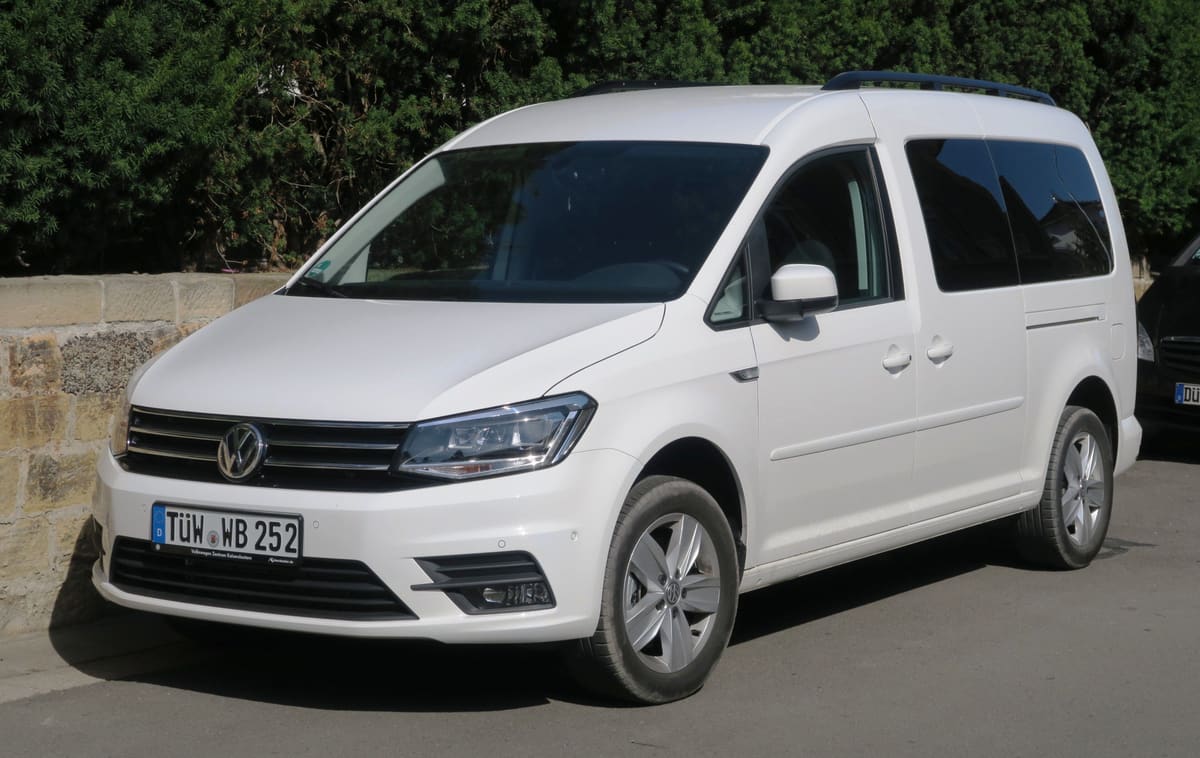
The Volkswagen Caddy’s running costs are influenced by its tax classification, insurance group, servicing demands, and residual value. Its commercial vehicle status often means favourable tax treatment, while insurance costs depend on engine size and driver profile. Servicing is straightforward but can be pricier than smaller cars, and it generally holds value well due to its versatility and build quality.
Vehicle Tax and How It Affects Running Costs
The Volkswagen Caddy is often classified as a light commercial vehicle, which can result in lower vehicle excise duty compared to standard passenger cars. This classification means that tax rates are typically based on engine size or emissions, with some models benefiting from reduced or zero tax if they meet certain environmental standards.
Owners should check the exact tax band for their specific Caddy model on the government’s vehicle tax website, as this varies with engine type and emissions. Diesel variants may face different rules, especially if they do not comply with the latest emissions standards, potentially increasing tax costs. Additionally, electric or hybrid versions of the Caddy may qualify for further tax incentives or exemptions, reducing annual running costs.
Understanding the tax system’s nuances is essential for budgeting. The Caddy’s commercial vehicle status can be a financial advantage, especially for business users who may also reclaim VAT on purchase and running costs, further improving cost efficiency.
Insurance Group and Its Impact on Premiums
Insurance premiums for the Volkswagen Caddy are influenced by its insurance group rating, which reflects factors such as repair costs, vehicle safety, engine power, and theft risk. The Caddy’s practical, work-oriented design tends to place it in moderate insurance groups, but this can vary significantly depending on the engine size, trim level, and optional security features.
Smaller engines and basic trims usually attract lower premiums, as they are less powerful and cheaper to repair or replace. Conversely, more powerful or sportier versions may fall into higher groups, pushing insurance costs up. The driver’s profile, including age, location, and claims history, also plays a critical role in determining the final premium.
To get a realistic insurance quote, prospective buyers should use comparison tools and provide accurate details about the specific Caddy model and their circumstances. Insurance providers assess risk based on a combination of vehicle and driver factors, so premiums can vary widely even within the same model range.
Servicing and Maintenance Demands
The Volkswagen Caddy is designed for durability and regular use, often in commercial settings, which means servicing intervals and maintenance requirements are structured to support heavy-duty use. Routine servicing includes oil changes, brake checks, and filter replacements, which are straightforward but may cost more than servicing a smaller passenger car due to the vehicle’s size and commercial-grade components.
Parts availability is generally good, but genuine Volkswagen parts can be pricier than aftermarket alternatives, reflecting the brand’s quality standards. Some components, such as the timing belt or clutch, may require replacement at specified intervals, which can be a significant maintenance expense.
Owners who use the Caddy intensively, especially for business purposes, should adhere strictly to the service schedule to avoid costly repairs and maintain reliability. Regular servicing also helps preserve the vehicle’s warranty and resale value, making it a worthwhile investment in the long term.
Fuel Costs and Efficiency Considerations
Fuel consumption is a key factor in the Caddy’s running costs, influenced by engine type, load, and driving conditions. Diesel engines are common in this model, offering better fuel economy for long-distance and heavy-load driving, which suits its commercial use. Petrol variants may be less economical but can be more suitable for lighter use or urban driving.
Driving style and maintenance also affect fuel efficiency. Smooth acceleration, regular servicing, and correct tyre pressures help optimise fuel consumption. The Caddy’s boxy shape and size mean it may not be as aerodynamic as smaller cars, which can impact fuel use at higher speeds.
Prospective buyers should check the fuel economy figures for the specific trim and engine they are interested in, as these vary. Considering fuel costs alongside other running expenses provides a clearer picture of the total cost of ownership.
Residual Value and Depreciation
The Volkswagen Caddy tends to hold its value well compared to many other light commercial vehicles, thanks to its reputation for reliability, build quality, and versatility. Its strong residual value is supported by steady demand in both business and private markets, where it serves as a practical van and family vehicle.
Depreciation rates vary depending on factors such as mileage, condition, and service history. Well-maintained examples with a full service record typically command higher prices on resale. Trim levels and optional equipment can also influence how much value the vehicle retains over time.
Choosing a Caddy with popular specifications and keeping it in good condition can help minimise depreciation. Buyers should consider resale prospects as part of the overall running cost equation, especially if they plan to upgrade or sell the vehicle after a few years.
Summary of Running Cost Drivers
The Volkswagen Caddy’s running costs are shaped by a combination of tax benefits linked to its commercial vehicle status, insurance group ratings influenced by engine and trim, regular servicing needs suited to its workhorse nature, and fuel consumption that depends on engine choice and usage. Its strong residual value further balances the total cost of ownership, making it a practical choice for those seeking a reliable and versatile vehicle.
Volkswagen Caddy MOT record
From 147,135 recorded MOT tests, 25.8% failed.
| Registered | Tests | Failed | Median mileage |
|---|---|---|---|
| 2023 | 333 | 12.3% | 38,402 mi |
| 2022 | 4,828 | 12.6% | 36,407 mi |
| 2021 | 4,518 | 12.8% | 49,768 mi |
| 2020 | 6,490 | 13.8% | 55,724 mi |
| 2019 | 10,391 | 15.9% | 66,277 mi |
| 2018 | 10,619 | 16.1% | 77,680 mi |
| 2017 | 11,502 | 22.3% | 82,676 mi |
| 2016 | 12,886 | 23.9% | 93,825 mi |
Most common reasons for failure
- A suspension pin, bush or joint excessively worn36.4%
- Tyre tread depth not in accordance with the requirements26.9%
- A tyre seriously damaged13.1%
- Brake disc or drum excessively weakened, insecure or fractured13.1%
- a brake lining or pad worn below 1.5mm10.5%
Figures cover every Volkswagen Caddy tested in the DVSA dataset, not this specific car. Check a registration for the actual history of one vehicle.
Frequently asked questions
What should I check to keep the Volkswagen Caddy's diesel engine running efficiently?
Regularly inspect the diesel particulate filter (DPF) for clogging, especially if you mostly drive short distances. A warning light on the dashboard may indicate when the DPF needs regeneration or cleaning, which is a typical garage service to maintain engine efficiency.
How often does the Volkswagen Caddy require brake pad replacement?
Brake pads on the Caddy usually need checking every 10,000 miles or during routine servicing. Listen for squealing noises when braking, as this often signals worn pads. Replacing brake pads is a standard maintenance job that helps avoid damage to the brake discs.
Are there any specific tyre considerations for the Volkswagen Caddy to manage running costs?
Choosing the correct tyre size and maintaining proper tyre pressure are important to reduce wear and improve fuel efficiency. The Caddy often uses commercial-grade tyres, so check the sidewall for size and load rating to ensure you get the right replacements.
What impact does the timing belt have on the Volkswagen Caddy's running costs?
The timing belt is a critical component that requires replacement at manufacturer-recommended intervals to avoid engine damage. Failure to replace it can lead to costly repairs, so ask your garage to check its condition during servicing.
How can I monitor the Volkswagen Caddy's battery health to avoid unexpected breakdowns?
Keep an eye on the battery warning light on the dashboard, which can indicate charging issues. The Caddy’s battery should be tested regularly, especially before winter, as a weak battery can affect starting and electrical systems.
Does the Volkswagen Caddy have any specific oil requirements that affect running costs?
Using the correct grade of engine oil specified for the Caddy is essential to protect components like the turbocharger and reduce engine wear. Always check the owner's manual for the recommended oil type and change intervals to maintain warranty and performance.
What should I know about the Volkswagen Caddy's clutch lifespan and replacement?
The clutch on a Caddy can wear faster if used heavily in stop-start urban driving or when carrying heavy loads. Signs like slipping or difficulty changing gears suggest it may need replacement, which is a significant but necessary maintenance task.
Sources
- DVSA anonymised MOT tests and results (Open Government Licence v3.0)