Top fixes
Volkswagen Caddy top fixes: how owners handle the common issues
Practical fixes for the common Volkswagen Caddy faults owners run into.
Updated 23rd June 2026 DVSA data: Across 147,135 recorded MOT tests, 25.8% failed.
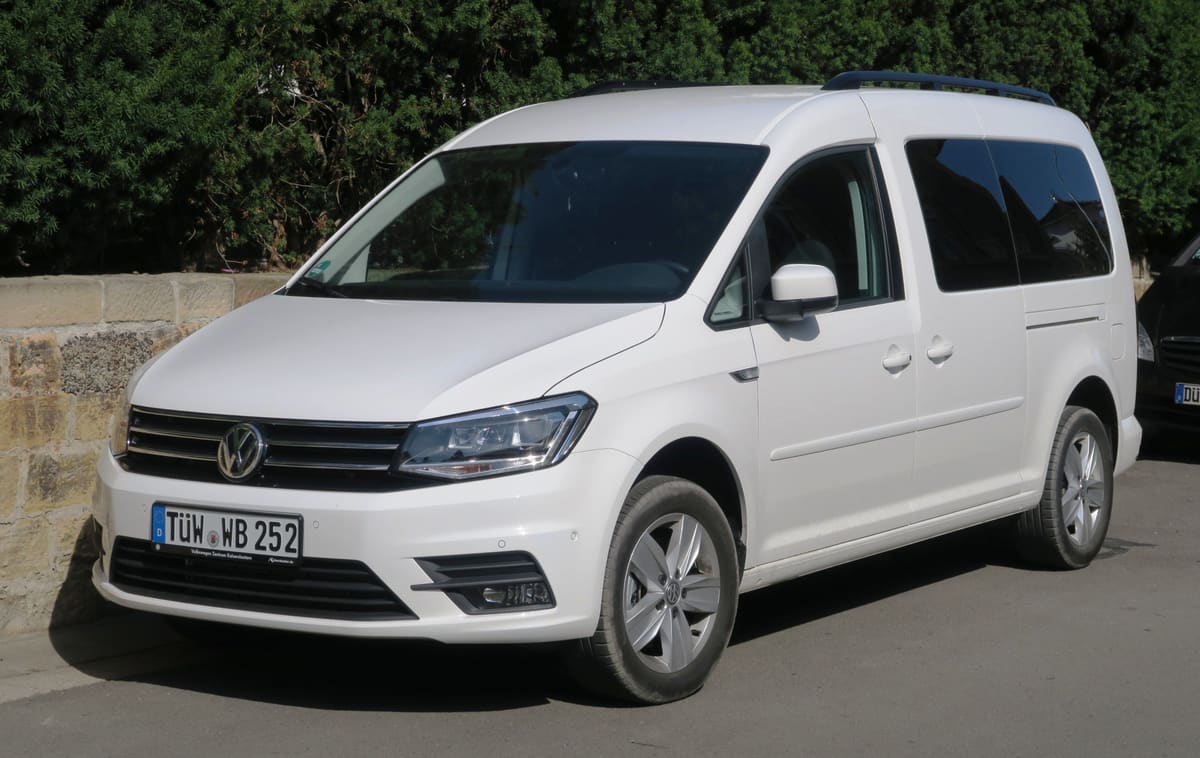
The Volkswagen Caddy is a versatile vehicle, but like all cars, it can experience issues over time. Common problems include electrical faults, suspension wear, and engine performance issues. Here are practical fixes for these prevalent concerns, helping you keep your Caddy in top condition.
Electrical Faults
Electrical issues are a frequent complaint among Volkswagen Caddy owners. Problems can range from malfunctioning lights to issues with the central locking system. A common fix is to check the battery connections and fuses, as corrosion or loose connections can lead to intermittent faults.
If you experience problems with the dashboard lights or infotainment system, a software update might be required. Volkswagen often releases updates to improve functionality and fix bugs. Additionally, inspecting wiring for wear or damage can prevent future electrical issues.
Suspension Wear
The suspension system in the Caddy is designed to handle various loads, but over time, components can wear out. Common signs of suspension issues include a bumpy ride or uneven tyre wear. Regularly inspecting the shock absorbers and springs can help identify problems early.
Replacing worn-out shock absorbers can significantly improve ride quality. If you notice a knocking noise when driving over bumps, it may indicate that the anti-roll bar links need replacing. Ensuring that your suspension is in good condition not only enhances comfort but also improves safety on the road.
Engine Performance Issues
Some Caddy owners report engine performance issues, such as a lack of power or rough idling. Regular maintenance is crucial for optimal engine performance. Changing the air filter and fuel filter can improve airflow and fuel delivery, enhancing efficiency.
If you experience warning lights on the dashboard, using an OBD-II scanner can help identify specific error codes. Addressing these codes promptly can prevent more significant issues down the line. Additionally, ensuring that the engine oil is changed regularly can help maintain engine health.
Brake Problems
Braking issues are critical to address for safety reasons. Common complaints include squeaking or grinding noises when applying the brakes. This often indicates worn brake pads or discs, which should be replaced to ensure effective braking performance.
If you notice a spongy brake pedal, it may be due to air in the brake lines or low brake fluid levels. Bleeding the brakes can resolve this issue, restoring proper function. Regularly inspecting the brake system can prevent unexpected failures and maintain safety.
Transmission Concerns
Transmission problems can be a significant concern for Caddy owners. Symptoms may include slipping gears or difficulty shifting. Regular transmission fluid changes can help prolong the life of the transmission and prevent issues from developing.
If you experience any unusual noises or changes in shifting behaviour, it is advisable to have the transmission checked by a professional. Early diagnosis can save you from costly repairs later. Keeping an eye on fluid levels and condition is essential for maintaining transmission health.
Tyre Wear and Alignment
Uneven tyre wear is a common issue that can affect the Caddy’s handling and fuel efficiency. Regularly checking tyre pressure and tread depth can help identify problems early. If you notice uneven wear patterns, it may indicate an alignment issue.
Having your wheels aligned can improve handling and extend the life of your tyres. Additionally, rotating your tyres regularly can ensure even wear across all four tyres. Proper tyre maintenance not only enhances safety but also contributes to better fuel economy.
Volkswagen Caddy MOT record
From 147,135 recorded MOT tests, 25.8% failed.
| Registered | Tests | Failed | Median mileage |
|---|---|---|---|
| 2023 | 333 | 12.3% | 38,402 mi |
| 2022 | 4,828 | 12.6% | 36,407 mi |
| 2021 | 4,518 | 12.8% | 49,768 mi |
| 2020 | 6,490 | 13.8% | 55,724 mi |
| 2019 | 10,391 | 15.9% | 66,277 mi |
| 2018 | 10,619 | 16.1% | 77,680 mi |
| 2017 | 11,502 | 22.3% | 82,676 mi |
| 2016 | 12,886 | 23.9% | 93,825 mi |
Most common reasons for failure
- A suspension pin, bush or joint excessively worn36.4%
- Tyre tread depth not in accordance with the requirements26.9%
- A tyre seriously damaged13.1%
- Brake disc or drum excessively weakened, insecure or fractured13.1%
- a brake lining or pad worn below 1.5mm10.5%
Figures cover every Volkswagen Caddy tested in the DVSA dataset, not this specific car. Check a registration for the actual history of one vehicle.
Frequently asked questions
What are common issues with the Volkswagen Caddy?
Common issues with the Volkswagen Caddy include electrical faults, problems with the DSG gearbox, and wear on suspension components. Regular maintenance can help prevent these problems.
How can I tell if my Caddy needs a service?
Signs that your Caddy needs a service include warning lights on the dashboard, unusual noises, or a decrease in performance. It's also wise to follow the manufacturer's service schedule.
What should I check before buying a used Volkswagen Caddy?
Before buying a used Volkswagen Caddy, check the service history, look for any signs of rust or damage, and ensure all electrical components are functioning. A vehicle history check is also recommended.
Are parts for the Volkswagen Caddy easy to find?
Yes, parts for the Volkswagen Caddy are generally easy to find due to its popularity. Both genuine and aftermarket parts are widely available from various suppliers.
How often should I replace the timing belt on a Caddy?
The timing belt on a Volkswagen Caddy should typically be replaced every 60,000 to 100,000 miles, depending on the engine type. Always refer to the owner's manual for specific recommendations.
What is the average cost of repairs for a Volkswagen Caddy?
The average cost of repairs for a Volkswagen Caddy can vary widely based on the issue and location. It's advisable to get quotes from multiple garages to find the best price.
Is it worth getting a warranty for a used Caddy?
Getting a warranty for a used Volkswagen Caddy can provide peace of mind, especially if the vehicle is older or has high mileage. It can help cover unexpected repair costs.
Sources
- DVSA anonymised MOT tests and results (Open Government Licence v3.0)