Running costs
Toyota Land Cruiser running costs: what UK ownership really costs
Toyota Land Cruiser UK running costs: fuel or electric, insurance group, road tax, servicing and depreciation.
Updated 17th October 2026 DVSA data: Across 20,583 recorded MOT tests, 22.4% failed.
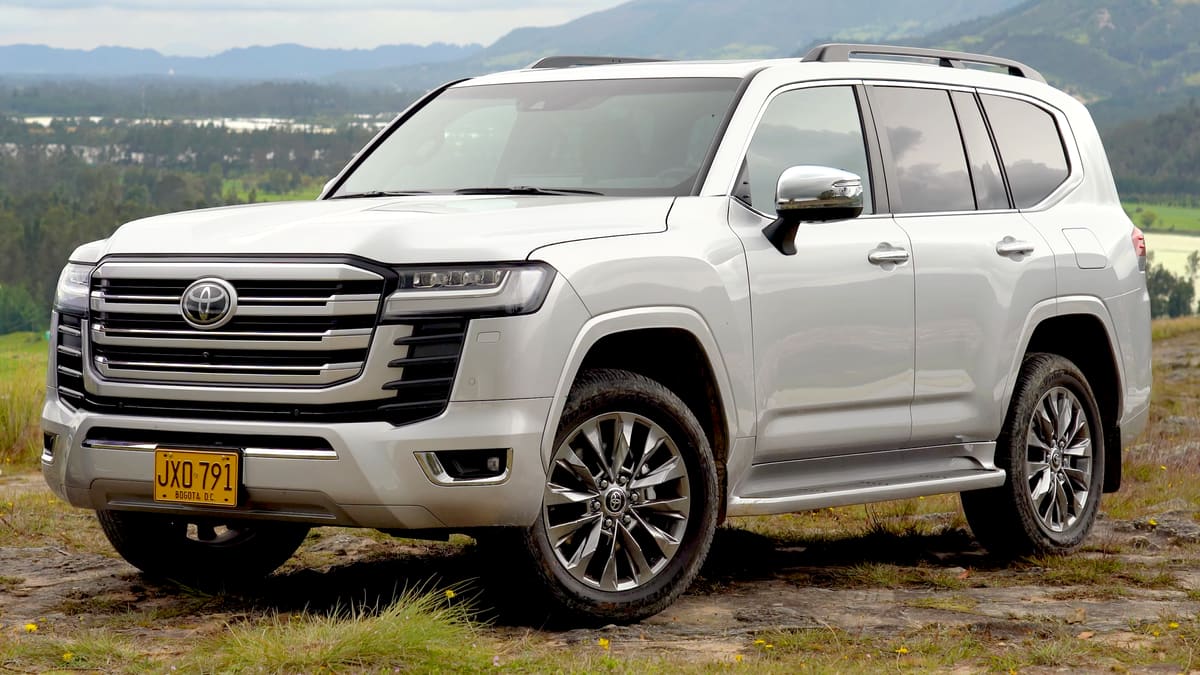
The Toyota Land Cruiser’s running costs reflect its size, robust engineering, and off-road capability. Taxation depends on its emissions and engine size, often placing it in higher bands. Insurance groups tend to be elevated due to its value and repair costs. Servicing is thorough but less frequent than smaller cars. Its strong residual values help offset some ownership expenses over time.
Taxation and Vehicle Excise Duty
The cost of taxing a Toyota Land Cruiser in the UK is influenced primarily by its engine size and CO2 emissions. Larger engines and higher emissions typically push the vehicle into higher Vehicle Excise Duty (VED) bands, meaning the annual tax can be substantial compared to smaller, more efficient cars.
The UK government’s tax system for vehicles is designed to encourage lower emissions, so a Land Cruiser’s traditional focus on power and off-road capability results in a higher tax bracket. Buyers should check the official government website to understand the exact tax band for the specific Land Cruiser model and trim they are considering, as these vary with engine options and model year.
Additionally, diesel variants may attract further charges such as the diesel supplement or Clean Air Zone fees in certain cities, which can add to the cost of ownership if you regularly drive in urban areas.
Insurance Considerations
Insurance premiums for the Land Cruiser tend to be on the higher side, reflecting its status as a large, premium SUV with a significant market value. Insurance groups are influenced by factors including repair costs, vehicle value, engine size, and the likelihood of theft or accident claims.
The Land Cruiser’s robust build and safety features can help moderate premiums to some extent, but the cost of replacement parts and specialist repairs, especially for off-road components, can push insurance groups upward. Drivers should obtain multiple insurance quotes to find the best deal, as premiums can vary widely depending on the insurer and the driver’s profile.
Insurance companies also consider the Land Cruiser’s use case. Owners who use it primarily for commuting may face different premiums compared to those who use it off-road or for towing, as these activities can increase risk.
Servicing and Maintenance Demands
The Land Cruiser is known for its durability and reliability, but servicing costs reflect its size and complexity. Routine maintenance involves checks and replacements typical of large SUVs, such as oil changes, brake inspections, and tyre rotations, but the intervals may be longer than for smaller vehicles due to the vehicle’s engineering.
Servicing can be more expensive than average because of the cost of parts and the labour involved in working on a heavy, four-wheel-drive system. Specialist knowledge is often required, especially for the drivetrain and suspension components designed for off-road use.
Owners should follow the manufacturer’s recommended service schedule closely to maintain warranty coverage and ensure the vehicle’s longevity. While servicing is not overly frequent, when it occurs it can be more involved, so budgeting for occasional larger bills is wise.
Fuel and Running Efficiency
Fuel consumption is a significant factor in the Land Cruiser’s running costs. Its size, weight, and engine characteristics mean it generally consumes more fuel than smaller or more economy-focused vehicles. The four-wheel-drive system and off-road capabilities add mechanical complexity that can also influence fuel efficiency.
Drivers who use the Land Cruiser primarily on-road may find fuel costs higher than average, especially in urban or stop-start conditions. However, the vehicle’s ability to handle tough terrain and heavy loads justifies this for many owners who need its capabilities.
Choosing the right trim and engine variant can impact fuel costs, so prospective buyers should review official fuel economy figures for the specific model they are interested in, keeping in mind that real-world consumption varies with driving style and conditions.
Depreciation and Residual Values
The Toyota Land Cruiser tends to hold its value well compared to many other large SUVs. Its reputation for reliability, durability, and off-road prowess supports strong residual values, which can help reduce the total cost of ownership over time.
While the initial purchase price is high, the Land Cruiser’s desirability in the used market means it depreciates more slowly than some rivals. This is partly because it appeals to a niche of buyers who value its unique combination of ruggedness and comfort.
Owners looking to sell or trade in their Land Cruiser after several years often find that the vehicle retains a significant portion of its original value, which can offset some of the higher running costs such as tax, insurance, and fuel.
Tyres and Other Consumables
Tyres and other consumables on the Land Cruiser can add to running costs due to the vehicle’s weight and off-road capability. Tyres suitable for this type of SUV tend to be larger and more robust, often costing more than standard car tyres.
The Land Cruiser’s suspension and braking systems are designed to handle tough conditions, but this also means replacement parts and consumables may be pricier and less frequently available from general suppliers. Regular checks and maintenance of these components are important to ensure safety and performance.
Owners should budget for occasional replacements of tyres, brake pads, and other wear items, especially if the vehicle is used off-road or for towing, as these activities accelerate wear.
Understanding the factors that influence the Toyota Land Cruiser’s running costs helps buyers make informed decisions. Tax and insurance reflect its size and emissions, servicing is thorough but spaced out, and fuel consumption is higher than smaller vehicles. However, strong residual values and durable engineering can help balance these expenses over the vehicle’s lifetime. Checking official sources for tax bands and obtaining insurance quotes tailored to individual circumstances are essential steps before purchase.
Toyota Land Cruiser recall record
10 recalls have been issued for the Toyota Land Cruiser, between 1996 and 2025.
Parking Assist ECU reprogram on multiple models
R/2025/466Issued 1 December 2025
For certain vehicles equipped with a Parking Assist ECU a component of the Panoramic View Monitor (PVM) system that displays the rear view image the software may cause the rear view image to freeze or not display
Remedy:Reprogram the parking assist ECU.
Affects cars built Feb 2024 to Sept 2025
IMPROPER TIGHTENING OF THE FUEL PIPE MAY LEAD TO LEAKAGE AND ENGINE STALL
R/2019/332Issued 25 November 2019
Improper tightening of the fuel pipe may lead to leakage and engine stall.
Remedy:Replace the fuel inlet pipe and clamp
Affects cars built Mar 2019 to Apr 2019
DRIVER AND/OR FRONT PASSENGER AIRBAG MAY FAIL TO DEPLOY AS INTENDED
R/2017/251Issued 13 November 2017
An incorrect specification driver or front passenger air bag assembly may have been installed during production. As a result the airbag(s) may not deploy as intended.
Remedy:On affected vehicles replace the air bag with the correct module.
EGR FLANGE COULD CORRODE AND CRACK
R/2017/133Issued 12 June 2017
The urea water injector mounting flange on the exhaust front pipe may fail and allow the urea water injector to separate from the front pipe. This situation could result in noncompliance with requirements prescribed in applicable safety or emission regulations in the involved countries.
Remedy:Recall the vehicles that are likely to be affected and replace front exhaust pipe.
Affects cars built Jun 2015 to Jan 2016
6 older recalls not shown.
A recall applies to a build range, not to every car of this model. Check a registration to see whether one specific vehicle has an outstanding recall.
Toyota Land Cruiser MOT record
From 20,583 recorded MOT tests, 22.4% failed.
| Registered | Tests | Failed | Median mileage |
|---|---|---|---|
| 2022 | 930 | 6.6% | 27,143 mi |
| 2021 | 453 | 7.7% | 36,623 mi |
| 2020 | 413 | 9.4% | 45,985 mi |
| 2019 | 583 | 9.8% | 53,781 mi |
| 2018 | 583 | 10.5% | 58,664 mi |
| 2017 | 438 | 10.7% | 68,201 mi |
| 2016 | 585 | 9.9% | 77,252 mi |
| 2015 | 714 | 13.2% | 82,476 mi |
Most common reasons for failure
- A suspension pin, bush or joint excessively worn35.3%
- Brake pipe damaged or excessively corroded21.3%
- Vehicle structure corroded to the extent that the rigidity of the assembly is seriously reduced16.7%
- A spring or spring component fractured or seriously weakened13.4%
- a brake lining or pad worn below 1.5mm13.3%
Figures cover every Toyota Land Cruiser tested in the DVSA dataset, not this specific car. Check a registration for the actual history of one vehicle.
Toyota Land Cruiser official figures
Median across 3 variants on sale, diesel, diesel electric.
- Combined economy
- 26.4 mpg
- WLTP median across variants
- CO2 emissions
- 280 g/km
- Sets the first-year tax rate
Official figures for new cars. Real economy varies with driving, load and conditions.
Frequently asked questions
What should I expect in terms of fuel costs for a Toyota Land Cruiser?
The Land Cruiser typically uses a large diesel engine, so fuel consumption can be higher than smaller SUVs. Checking the fuel filter regularly and ensuring the injectors are clean helps maintain efficiency. Keep an eye on the diesel particulate filter warning light as it can affect running costs if blocked.
How often does the Toyota Land Cruiser need servicing?
Toyota recommends servicing the Land Cruiser roughly every 10,000 miles or annually, whichever comes first. During service, mechanics will check components like the timing belt, brake pads, and suspension bushes. Regular servicing helps avoid expensive repairs down the line.
Are parts for the Land Cruiser expensive to replace?
Some parts, such as the heavy-duty shock absorbers and the turbocharger, can be costly due to their robustness and complexity. However, routine items like oil filters and brake discs are widely available. It is worth sourcing genuine Toyota parts to maintain reliability.
Does the Land Cruiser have any specific maintenance needs due to its off-road capability?
Yes, the Land Cruiser’s four-wheel-drive system requires regular checks, especially the transfer case oil and differential fluids. After off-road use, it is advisable to inspect the underbody for damage and clean the chassis to prevent corrosion.
What are the common warning lights I should watch for on a Land Cruiser?
Watch out for the glow plug warning light, which indicates issues with the diesel engine’s starting system. The tyre pressure monitoring system light can also come on if pressures are uneven, affecting fuel economy and tyre wear.
How does insurance typically affect the running costs of a Land Cruiser?
Insurance premiums for the Land Cruiser can be higher than average due to its size and value. Factors like engine size and security features such as immobilisers influence costs. It is wise to compare quotes and consider adding tracking devices to reduce premiums.
Is the Toyota Land Cruiser expensive to tax in the UK?
Vehicle tax depends on the specific model and engine emissions, so it varies. The Land Cruiser’s diesel engines may attract higher rates if emissions are above certain thresholds. Checking the exact trim’s emissions rating is essential for accurate tax information.
What should I check before buying a used Toyota Land Cruiser to avoid high running costs?
Inspect the condition of the timing belt and water pump, as failure can lead to costly engine damage. Also, check for any warning lights on the dashboard and review the service history for regular oil and filter changes. A thorough underbody inspection is important to spot rust or damage.
Sources
- DVSA anonymised MOT tests and results (Open Government Licence v3.0)
- VCA new car fuel consumption and emissions data (Open Government Licence v3.0)
- DVSA vehicle safety recalls (Open Government Licence v3.0)