Top fixes
Toyota Land Cruiser top fixes: how owners handle the common issues
Practical fixes for the common Toyota Land Cruiser faults owners run into.
Updated 23rd June 2026 DVSA data: Across 20,583 recorded MOT tests, 22.4% failed.
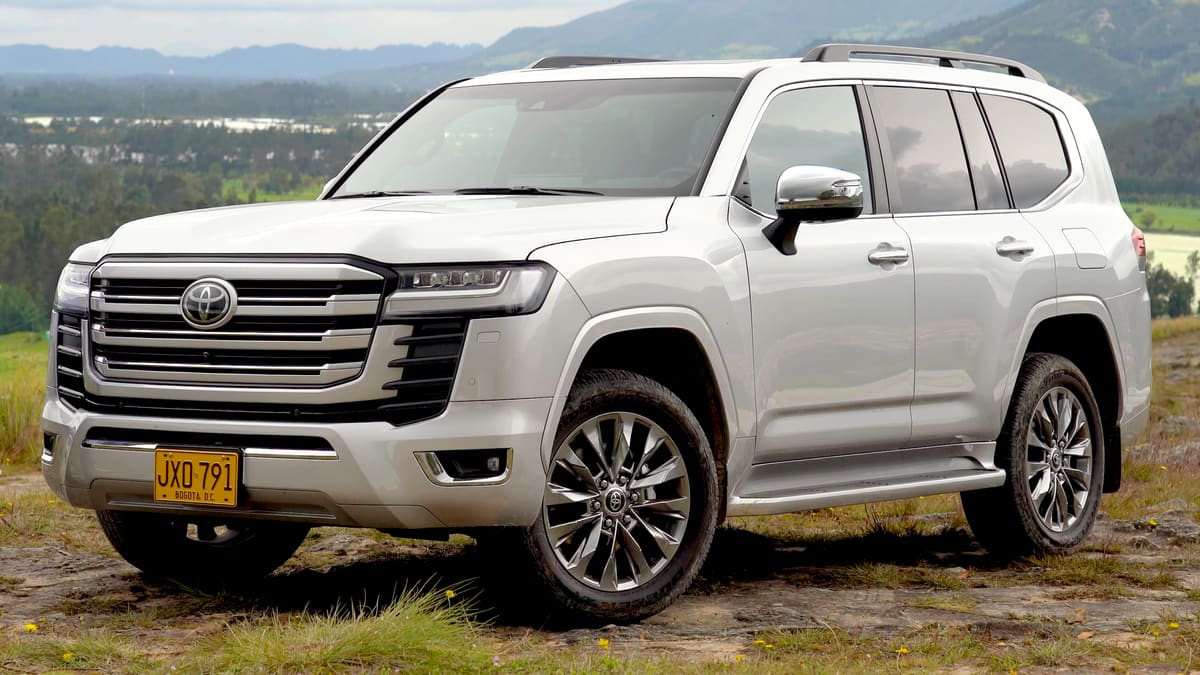
The Toyota Land Cruiser is renowned for its reliability and durability, but like any vehicle, it can encounter issues over time. Common problems include electrical faults, suspension wear, and engine performance concerns. Fortunately, many of these can be addressed with practical fixes that enhance the vehicle’s longevity and performance.
Electrical Issues
Electrical problems are frequently reported by Land Cruiser owners, particularly concerning the battery and alternator. A common fix is to ensure that battery terminals are clean and securely connected. Corrosion can lead to poor connections, affecting the vehicle’s overall performance.
If you experience issues with the electrical system, check the fuses and relays first. Replacing a blown fuse is a straightforward task that can restore functionality to various components. If problems persist, consider having the alternator tested, as a failing alternator can lead to battery drainage and electrical malfunctions.
Suspension Wear
The suspension system is crucial for a smooth ride, and wear can lead to handling issues. Owners often report problems with shock absorbers and bushings. Regular inspections can help identify worn components early, allowing for timely replacements.
If you notice excessive bouncing or a rough ride, it may be time to replace the shock absorbers. Additionally, check the bushings for cracks or deterioration. Upgrading to heavy-duty components can improve performance, especially for those who frequently drive off-road or carry heavy loads.
Engine Performance
Engine performance issues can manifest as reduced power, poor fuel efficiency, or unusual noises. Regular maintenance, including oil changes and air filter replacements, is essential for optimal engine health. If you notice a drop in performance, start by checking these basic components.
Another common issue is the fuel injectors becoming clogged. Using a fuel injector cleaner can help restore performance. If the problem persists, a professional cleaning or replacement may be necessary. Keeping an eye on engine warning lights can also prevent more significant issues down the line.
Transmission Problems
Transmission issues can be daunting and often lead to costly repairs. Common symptoms include slipping gears or delayed engagement. Regular transmission fluid changes can help prevent these problems, as old fluid can lead to increased wear on components.
If you experience slipping, check the fluid level and condition. Low or dirty fluid can cause shifting issues. If the fluid is fine but problems continue, a diagnostic check may reveal deeper issues, such as a faulty solenoid or valve body that may require professional attention.
Brake System Concerns
Braking performance is critical for safety, and Land Cruiser owners sometimes report issues such as squeaking or reduced braking power. Regular inspection of brake pads and discs is essential, as worn components can compromise safety.
If you hear squeaking, it may be time to replace the brake pads. Additionally, check the brake fluid level and condition, as contaminated fluid can affect braking efficiency. If you notice a spongy brake pedal, air in the brake lines may need to be bled out to restore proper function.
Tyre and Wheel Issues
Tyres play a vital role in vehicle performance and safety. Land Cruiser owners often report uneven tyre wear or issues with alignment. Regularly checking tyre pressure and tread depth can help prevent these problems.
If you notice uneven wear, it may indicate an alignment issue. Having the wheels aligned can improve handling and extend tyre life. Additionally, rotating the tyres regularly can ensure even wear across all four tyres, enhancing performance and safety on the road.
By addressing these common issues with practical fixes, Toyota Land Cruiser owners can maintain their vehicles’ reliability and performance for years to come. Regular maintenance and timely repairs not only enhance driving experience but also help preserve the vehicle’s value.
Toyota Land Cruiser recall record
10 recalls have been issued for the Toyota Land Cruiser, between 1996 and 2025.
Parking Assist ECU reprogram on multiple models
R/2025/466Issued 1 December 2025
For certain vehicles equipped with a Parking Assist ECU a component of the Panoramic View Monitor (PVM) system that displays the rear view image the software may cause the rear view image to freeze or not display
Remedy:Reprogram the parking assist ECU.
Affects cars built Feb 2024 to Sept 2025
IMPROPER TIGHTENING OF THE FUEL PIPE MAY LEAD TO LEAKAGE AND ENGINE STALL
R/2019/332Issued 25 November 2019
Improper tightening of the fuel pipe may lead to leakage and engine stall.
Remedy:Replace the fuel inlet pipe and clamp
Affects cars built Mar 2019 to Apr 2019
DRIVER AND/OR FRONT PASSENGER AIRBAG MAY FAIL TO DEPLOY AS INTENDED
R/2017/251Issued 13 November 2017
An incorrect specification driver or front passenger air bag assembly may have been installed during production. As a result the airbag(s) may not deploy as intended.
Remedy:On affected vehicles replace the air bag with the correct module.
EGR FLANGE COULD CORRODE AND CRACK
R/2017/133Issued 12 June 2017
The urea water injector mounting flange on the exhaust front pipe may fail and allow the urea water injector to separate from the front pipe. This situation could result in noncompliance with requirements prescribed in applicable safety or emission regulations in the involved countries.
Remedy:Recall the vehicles that are likely to be affected and replace front exhaust pipe.
Affects cars built Jun 2015 to Jan 2016
6 older recalls not shown.
A recall applies to a build range, not to every car of this model. Check a registration to see whether one specific vehicle has an outstanding recall.
Toyota Land Cruiser MOT record
From 20,583 recorded MOT tests, 22.4% failed.
| Registered | Tests | Failed | Median mileage |
|---|---|---|---|
| 2022 | 930 | 6.6% | 27,143 mi |
| 2021 | 453 | 7.7% | 36,623 mi |
| 2020 | 413 | 9.4% | 45,985 mi |
| 2019 | 583 | 9.8% | 53,781 mi |
| 2018 | 583 | 10.5% | 58,664 mi |
| 2017 | 438 | 10.7% | 68,201 mi |
| 2016 | 585 | 9.9% | 77,252 mi |
| 2015 | 714 | 13.2% | 82,476 mi |
Most common reasons for failure
- A suspension pin, bush or joint excessively worn35.3%
- Brake pipe damaged or excessively corroded21.3%
- Vehicle structure corroded to the extent that the rigidity of the assembly is seriously reduced16.7%
- A spring or spring component fractured or seriously weakened13.4%
- a brake lining or pad worn below 1.5mm13.3%
Figures cover every Toyota Land Cruiser tested in the DVSA dataset, not this specific car. Check a registration for the actual history of one vehicle.
Toyota Land Cruiser official figures
Median across 3 variants on sale, diesel, diesel electric.
- Combined economy
- 26.4 mpg
- WLTP median across variants
- CO2 emissions
- 280 g/km
- Sets the first-year tax rate
Official figures for new cars. Real economy varies with driving, load and conditions.
Frequently asked questions
What are common issues with the Toyota Land Cruiser?
Common issues include electrical faults, suspension wear, and engine performance problems. Regular maintenance can help prevent these issues.
How can I tell if my Land Cruiser needs repairs?
Look for warning lights on the dashboard, unusual noises, or changes in handling. If you notice any of these signs, it's best to have it checked by a professional.
Are parts for the Toyota Land Cruiser easy to find in the UK?
Yes, parts for the Toyota Land Cruiser are generally available through dealerships and various online retailers. However, some specific components may take longer to source.
What is the average cost of servicing a Toyota Land Cruiser?
Servicing costs can vary based on the service type and location. It's advisable to get quotes from several garages to find the best deal.
Can I perform basic maintenance on my Land Cruiser myself?
Yes, you can perform basic maintenance tasks like oil changes and air filter replacements if you have the right tools and knowledge. Always refer to the owner's manual for guidance.
What should I do if my Land Cruiser is under warranty?
If your Land Cruiser is under warranty, it's best to have repairs done at an authorised dealership to avoid voiding the warranty. Keep all service records for reference.
Is it worth buying an older Toyota Land Cruiser?
Older Toyota Land Cruisers can be a good investment due to their durability and off-road capability. However, ensure you check for any signs of wear and have a thorough inspection done.
Sources
- DVSA anonymised MOT tests and results (Open Government Licence v3.0)
- VCA new car fuel consumption and emissions data (Open Government Licence v3.0)
- DVSA vehicle safety recalls (Open Government Licence v3.0)