Common problems
Toyota Hilux common problems and reliability issues
Honest rundown of the most common Toyota Hilux faults, what to watch for, and how to keep one running well.
Updated 23rd June 2026 DVSA data: Across 74,135 recorded MOT tests, 24.3% failed.
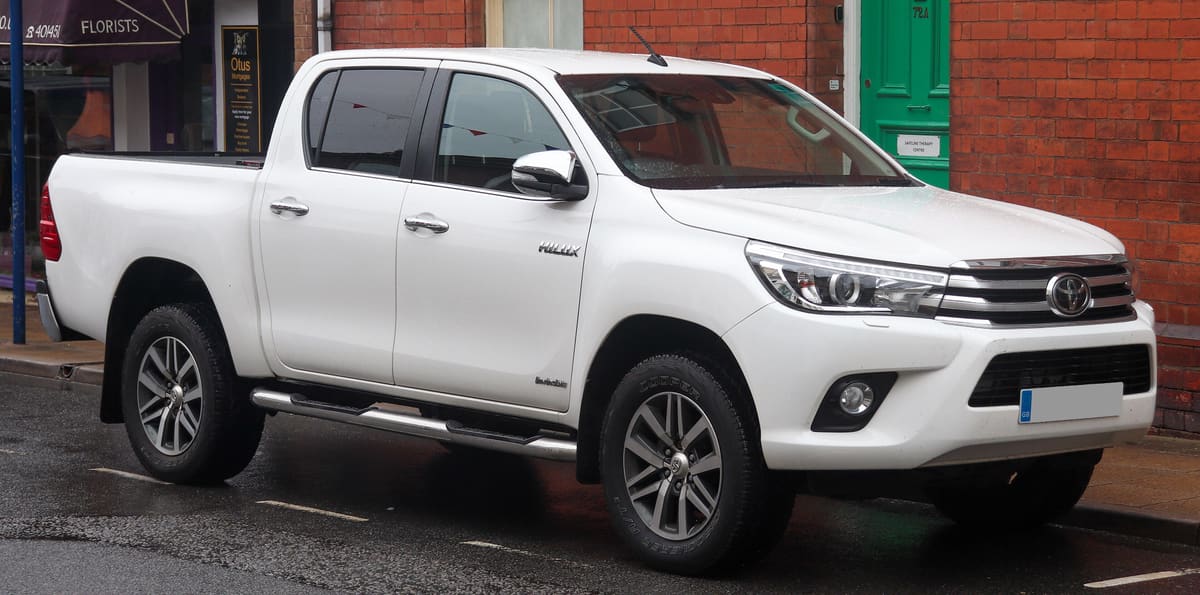
The Toyota Hilux is a robust and reliable vehicle, but like any model, it has its share of common problems. Issues often arise in the engine, transmission, suspension, and electrical systems.
Engine Issues
One of the most frequently reported problems with the Toyota Hilux relates to the engine. Owners have noted issues such as excessive oil consumption and engine knocking. These problems can stem from various factors, including poor maintenance practices or manufacturing defects.
The 2.4-litre diesel engine, in particular, has been highlighted for its tendency to consume oil at a higher rate than expected. Regular oil changes and monitoring oil levels can mitigate some of these issues. Additionally, some owners have experienced engine knocking, which may indicate a problem with the fuel injectors or the timing chain. Addressing these issues early can prevent more severe engine damage.
Transmission Problems
Transmission faults are another area of concern for Toyota Hilux owners. Automatic transmission models have been reported to experience rough shifting or slipping gears. These issues can lead to a decrease in performance and may require a costly transmission rebuild or replacement.
Regular maintenance, including fluid changes, is crucial for the longevity of the transmission. Some owners have found that using high-quality transmission fluid can help alleviate shifting problems. If you notice any unusual behaviour from the transmission, such as delayed engagement or strange noises, it is advisable to seek professional assistance promptly.
Suspension and Steering
The suspension system of the Toyota Hilux is generally robust, but some owners have reported issues with the shock absorbers and bushings. Worn shock absorbers can lead to a rough ride and decreased handling performance. Additionally, the steering may feel loose or unresponsive if the steering components are worn.
Routine inspections of the suspension and steering systems can help identify wear and tear before it becomes a significant issue. Replacing worn components promptly can enhance ride quality and safety. If you experience unusual noises or handling characteristics, it is wise to have the suspension checked by a qualified technician.
Electrical System Faults
Electrical problems can be somewhat common in the Toyota Hilux, particularly in older models. Issues may include malfunctioning dashboard lights, problems with the central locking system, or failure of the power windows. These faults can often be traced back to poor connections or faulty wiring.
Regularly inspecting the vehicle’s electrical system can help prevent these issues. If you encounter any electrical faults, it is advisable to have them diagnosed by a professional, as they can sometimes indicate more significant underlying problems. Keeping the battery terminals clean and ensuring proper connections can also help maintain the electrical system’s integrity.
Brake System Concerns
The braking system in the Toyota Hilux is generally reliable, but some owners have reported issues with brake pads wearing out prematurely or brake fluid leaks. Worn brake pads can lead to decreased stopping power, while leaks can compromise the entire braking system.
It is essential to monitor brake performance and have the braking system inspected regularly. Replacing brake pads at the first sign of wear can prevent damage to the rotors and ensure safe stopping. If you notice any warning lights on the dashboard related to the brakes, it is crucial to address them immediately to avoid potential accidents.
Fuel System Problems
Fuel system issues can also affect the performance of the Toyota Hilux. Common complaints include clogged fuel filters and problems with the fuel pump. These issues can lead to poor fuel efficiency and engine performance.
Regular maintenance of the fuel system, including replacing the fuel filter as recommended, can help prevent these problems. If you experience difficulty starting the vehicle or notice a decrease in power, it may be worth having the fuel system inspected. Ensuring that you use high-quality fuel can also contribute to the longevity of the fuel system components.
By being aware of these common problems and conducting regular maintenance, Toyota Hilux owners can enjoy the reliability and durability that this vehicle is known for. Keeping an eye on potential issues can save time and money in the long run.
Toyota Hilux recall record
11 recalls have been issued for the Toyota Hilux, between 2006 and 2025.
Wheel hub and nut loose on Hilux
R/2025/477Issued 1 December 2025
For affected vehicles that previously had the chassis frame replaced in a special facility there is a possibility that some joints were not correctly tightened.
Remedy:Retighten nuts and/or bolts in specific mounting or joint portions.
Affects cars built Jun 2012 to Jan 2019
Hilux Occupant Classification System calibration
R/2024/459Issued 13 January 2025
For certain vehicles there is a possibility that the zero-point calibration of the Occupant Classification System (OCS) that provides input to the Supplemental Restraint System is incorrect.
Remedy:Calibrate the Occupant Classification System (OCS).
Affects cars built Jul 2023 to Nov 2023
On affected vehicles there is a possibility that the DCM may not complete the shutdown process within a specific period of time when the ignition is turned off causing the DCM to not restart at the next ignition cycle and making the e-Call function unavailable. As a result the vehicles do not comply with relevant regulations.
R/2023/279Issued 12 October 2023
On affected vehicles there is a possibility that the DCM may not complete the shutdown process within a specific period of time when the ignition is turned off causing the DCM to not restart at the next ignition cycle and making the e-Call function unavailable. As a result the vehicles do not comply with relevant regulations.
Remedy:The software of the DCM (Data Communication Module) will be updated via an Over the Air (OTA) wireless update.
Affects cars built Sept 2022 to Jun 2023
THE STRENGTH OF THE BRAKE BOOSTER PISTON COULD DEGRADE
R/2020/350Issued 1 February 2021
On affected vehicles the strength of the brake booster piston could degrade.
Remedy:Check the brake booster piston serial number and replace if necessary.
Affects cars built Aug 2018 to Mar 2019
7 older recalls not shown.
A recall applies to a build range, not to every car of this model. Check a registration to see whether one specific vehicle has an outstanding recall.
Toyota Hilux MOT record
From 74,135 recorded MOT tests, 24.3% failed.
| Registered | Tests | Failed | Median mileage |
|---|---|---|---|
| 2022 | 6,131 | 10.8% | 37,442 mi |
| 2021 | 8,012 | 12.3% | 47,304 mi |
| 2020 | 4,863 | 14.0% | 55,717 mi |
| 2019 | 4,956 | 16.0% | 66,686 mi |
| 2018 | 5,227 | 17.5% | 76,662 mi |
| 2017 | 4,823 | 19.3% | 85,580 mi |
| 2016 | 4,305 | 24.7% | 89,227 mi |
| 2015 | 5,337 | 28.3% | 94,490 mi |
Most common reasons for failure
- Brake pipe damaged or excessively corroded24.6%
- Tyre tread depth not in accordance with the requirements24.5%
- A suspension pin, bush or joint excessively worn19.3%
- Vehicle structure corroded to the extent that the rigidity of the assembly is seriously reduced17.1%
- A spring or spring component fractured or seriously weakened14.5%
Figures cover every Toyota Hilux tested in the DVSA dataset, not this specific car. Check a registration for the actual history of one vehicle.
Frequently asked questions
What are the most common problems with the Toyota Hilux?
Common issues with the Toyota Hilux include engine problems, transmission issues, and electrical faults. Owners have also reported issues with the suspension and rust, particularly in older models.
How reliable is the Toyota Hilux?
The Toyota Hilux is generally regarded as a reliable vehicle. However, like any vehicle, it can experience problems, especially as it ages or if it has not been properly maintained.
Are there any known issues with the Toyota Hilux's engine?
Some Toyota Hilux models have reported engine problems, including excessive oil consumption and overheating. Regular servicing can help mitigate these issues.
What should I check for when buying a used Toyota Hilux?
When buying a used Toyota Hilux, check for signs of rust, especially on the chassis and undercarriage. Also, inspect the service history for regular maintenance and look for any warning lights on the dashboard.
Is the Toyota Hilux prone to rust?
Yes, the Toyota Hilux can be prone to rust, particularly in older models or those used in harsh conditions. It's important to inspect the vehicle thoroughly for any signs of corrosion.
How can I prevent common problems with my Toyota Hilux?
Regular maintenance is key to preventing common problems with the Toyota Hilux. Ensure timely oil changes, check fluid levels, and keep an eye on the brakes and suspension components.
What are the signs of transmission issues in a Toyota Hilux?
Signs of transmission issues in a Toyota Hilux may include slipping gears, delayed shifting, or unusual noises when changing gears. If you notice these symptoms, it is advisable to have the vehicle inspected by a professional.
Sources
- DVSA anonymised MOT tests and results (Open Government Licence v3.0)
- DVSA vehicle safety recalls (Open Government Licence v3.0)