Top fixes
Smart Fortwo top fixes: how owners handle the common issues
Practical fixes for the common Smart Fortwo faults owners run into.
Updated 23rd June 2026 DVSA data: Across 6,082 recorded MOT tests, 25.3% failed.
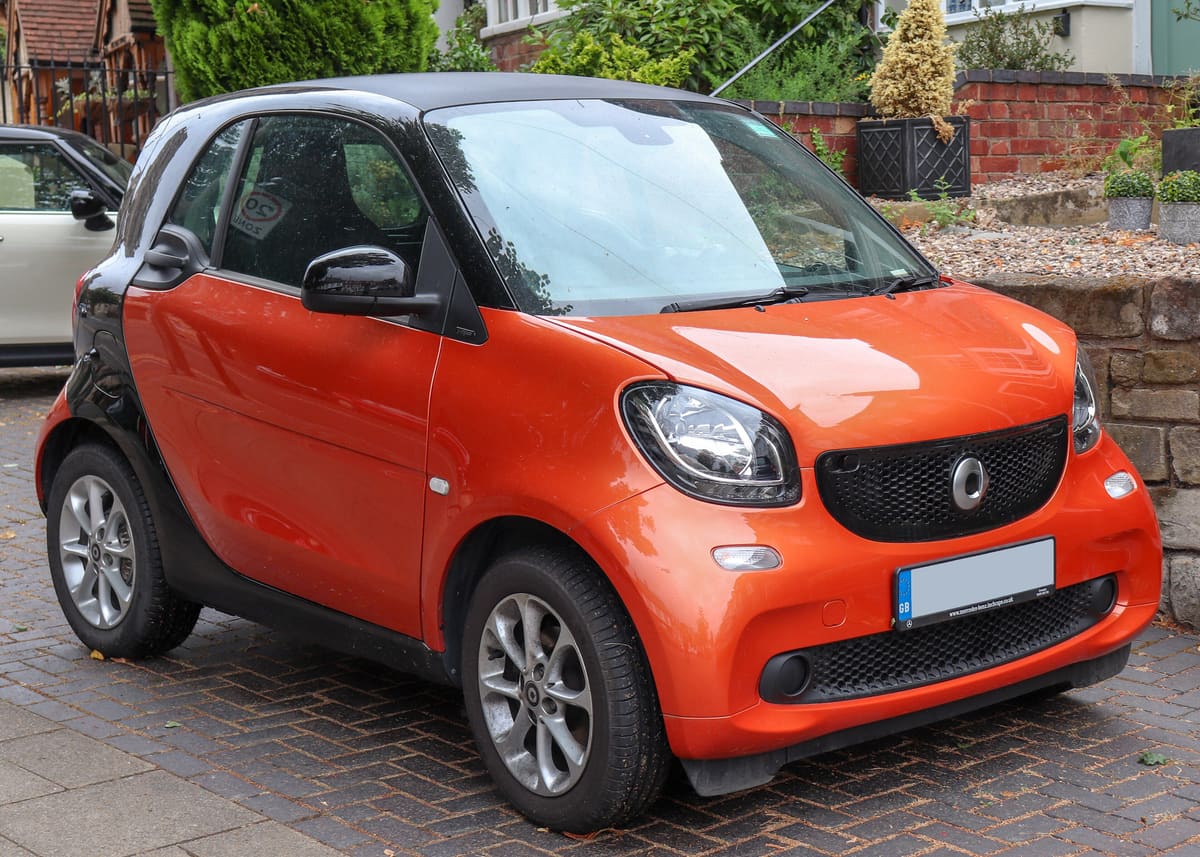
The Smart Fortwo is a compact city car that offers unique styling and efficient driving. However, owners often encounter common issues that can be resolved with practical fixes. This guide outlines the most frequent problems and how to address them effectively.
Electrical Problems
Electrical issues are among the most commonly reported problems with the Smart Fortwo. Owners frequently experience problems with the battery, alternator, and various electronic components.
To tackle battery issues, ensure that the battery terminals are clean and securely connected. If the battery frequently drains, it may be time for a replacement. For alternator problems, a simple test can determine if it is functioning correctly. If the alternator is faulty, replacing it will restore power to the vehicle’s electrical systems.
Additionally, check the fuses and wiring for any signs of wear or damage. Replacing blown fuses is straightforward, while damaged wiring may require professional assistance to avoid further complications.
Gearbox and Transmission Issues
Some Smart Fortwo owners report problems with the gearbox and transmission, particularly with the automated manual transmission (AMT). Symptoms may include difficulty shifting gears or unusual noises during gear changes.
Regular maintenance is crucial for preventing transmission issues. Ensure that the transmission fluid is at the correct level and replace it according to the manufacturer’s recommendations. If you experience shifting difficulties, a software update may be necessary to recalibrate the transmission system.
In cases of severe problems, such as slipping gears or grinding noises, it may be necessary to consult a professional mechanic. They can diagnose the issue and recommend whether a repair or replacement is the best course of action.
Cooling System Failures
Overheating is a common concern for Smart Fortwo owners, often linked to cooling system failures. This can be caused by a faulty thermostat, a leaking radiator, or a malfunctioning water pump.
To prevent overheating, regularly check the coolant level and top it up as needed. Inspect the radiator for leaks or blockages, and ensure that the thermostat is functioning correctly. If the engine temperature rises unexpectedly, pull over safely and allow the engine to cool before checking the coolant system.
If you suspect a water pump failure, look for signs of coolant leaks or unusual noises. Replacing a faulty water pump is essential to maintain proper engine temperature and prevent severe damage.
Suspension and Steering Issues
Suspension and steering problems can affect the Smart Fortwo’s handling and ride comfort. Common issues include worn suspension components, such as shock absorbers and bushings, as well as steering alignment problems.
Regularly inspect the suspension for signs of wear, such as leaks from the shock absorbers or uneven tyre wear. If you notice a bumpy ride or excessive body roll, it may be time to replace worn components.
For steering issues, check the alignment and ensure that the steering fluid is at the correct level. Misalignment can lead to uneven tyre wear and affect handling, so it is advisable to have the alignment checked periodically.
Brake System Concerns
The brake system is vital for safety, and Smart Fortwo owners sometimes report issues such as squeaking brakes, reduced braking performance, or warning lights on the dashboard.
To maintain the brake system, regularly check the brake pads and discs for wear. If you hear squeaking or grinding noises, it is essential to replace the pads promptly to avoid damaging the discs.
Additionally, check the brake fluid level and inspect for leaks in the brake lines. If the brake warning light illuminates, it could indicate low fluid levels or a more serious issue that requires immediate attention.
Air Conditioning and Heating Problems
Air conditioning and heating issues are common in the Smart Fortwo, particularly in older models. Owners may experience weak airflow, strange smells, or a complete lack of heating or cooling.
To address weak airflow, check the cabin air filter and replace it if it is clogged. A clean filter allows for better airflow and improved climate control. If you notice unpleasant odours, it may indicate a build-up of mould or bacteria in the system. Running the air conditioning on high for a short period can help clear out any unpleasant smells.
For heating issues, ensure that the coolant is at the correct level and that the thermostat is functioning properly. If the heating system still fails to provide warmth, a professional inspection may be necessary to diagnose the problem.
By addressing these common issues with practical fixes, Smart Fortwo owners can enhance their driving experience and maintain the vehicle’s reliability. Regular maintenance and timely repairs will help ensure that your Smart Fortwo continues to perform well on the road.
Smart Fortwo MOT record
From 6,082 recorded MOT tests, 25.3% failed.
| Registered | Tests | Failed | Median mileage |
|---|---|---|---|
| 2013 | 2,363 | 22.9% | 50,045 mi |
| 2012 | 743 | 22.2% | 56,450 mi |
| 2011 | 671 | 23.1% | 63,668 mi |
| 2010 | 775 | 28.3% | 67,112 mi |
| 2009 | 694 | 29.0% | 68,764 mi |
| 2008 | 599 | 29.9% | 74,749 mi |
| 2007 | 237 | 31.6% | 76,832 mi |
Most common reasons for failure
- A tyre seriously damaged24.0%
- Tyre tread depth not in accordance with the requirements23.6%
- Brake pipe damaged or excessively corroded20.8%
- A spring or spring component fractured or seriously weakened17.6%
- Significant brake effort recorded with no brake applied indicating a binding brake14.0%
Figures cover every Smart Fortwo tested in the DVSA dataset, not this specific car. Check a registration for the actual history of one vehicle.
Frequently asked questions
What are common issues with the Smart Fortwo?
Common issues with the Smart Fortwo include electrical problems, gearbox issues, and suspension wear. Regular maintenance can help prevent these problems.
How can I tell if my Smart Fortwo needs a service?
Signs that your Smart Fortwo needs a service include unusual noises, warning lights on the dashboard, and decreased fuel efficiency. It's best to follow the manufacturer's service schedule.
What should I check before buying a used Smart Fortwo?
Before buying a used Smart Fortwo, check the service history, look for signs of rust, and inspect the tyres and brakes. A thorough test drive is also essential.
Are parts for the Smart Fortwo easy to find?
Yes, parts for the Smart Fortwo are generally easy to find, both from dealerships and online retailers. However, some specific parts may take longer to source.
How often should I replace the oil in my Smart Fortwo?
You should replace the oil in your Smart Fortwo every 6,000 to 12,000 miles, depending on your driving habits and the type of oil used. Always refer to the owner's manual for specific recommendations.
What is the average lifespan of a Smart Fortwo?
The average lifespan of a Smart Fortwo can range from 10 to 15 years with proper maintenance. Regular servicing can significantly extend its life.
Is it expensive to repair a Smart Fortwo?
Repair costs for a Smart Fortwo can vary depending on the issue and where you go for repairs. Generally, routine maintenance is affordable, but more complex repairs may be pricier.
How can I improve the fuel efficiency of my Smart Fortwo?
To improve fuel efficiency in your Smart Fortwo, ensure your tyres are properly inflated, avoid aggressive driving, and keep up with regular servicing. Lightening your load can also help.
Sources
- DVSA anonymised MOT tests and results (Open Government Licence v3.0)