Common problems
Smart Fortwo common problems and reliability issues
Honest rundown of the most common Smart Fortwo faults, what to watch for, and how to keep one running well.
Updated 4th September 2026 DVSA data: Across 6,082 recorded MOT tests, 25.3% failed.
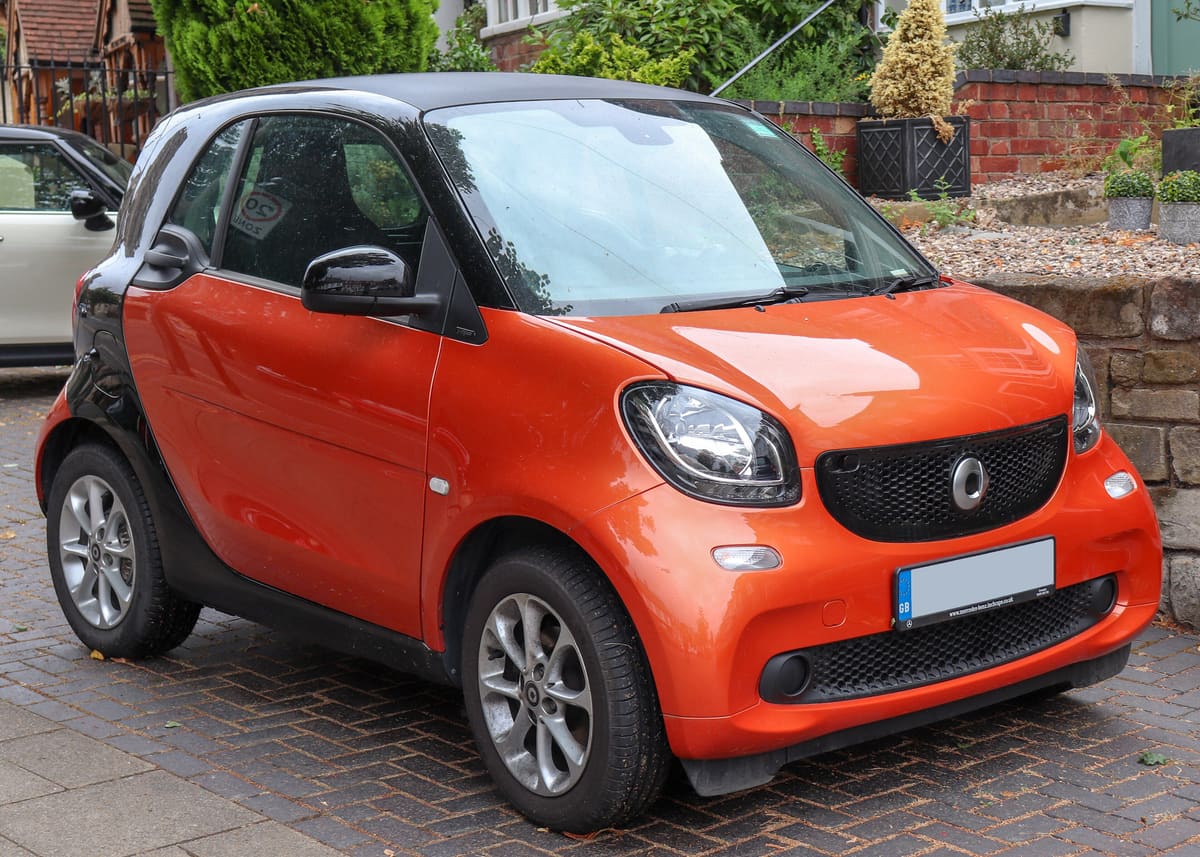
The Smart Fortwo is a compact city car known for its unique design and agility. Key issues often arise in the electrical system, transmission, suspension, and engine, which can affect the overall reliability and performance of the car.
Electrical System Issues
One of the most frequently reported problems with the Smart Fortwo relates to its electrical system. Owners have noted issues with the battery and alternator, which can lead to starting difficulties. Additionally, problems with the central locking system and dashboard warning lights are common.
The battery can fail prematurely, especially in older models, leading to a lack of power when starting the vehicle. The alternator may also struggle to keep the battery charged, particularly if the car is mainly used for short trips. Furthermore, the central locking system can malfunction, causing inconvenience and security concerns.
Dashboard warning lights may illuminate unexpectedly, often indicating minor issues but sometimes signalling more serious faults. Regular checks and maintenance can help mitigate these electrical problems, ensuring that the vehicle remains reliable.
Transmission Problems
Transmission issues are another common concern for Smart Fortwo owners. The automated manual transmission (AMT) can exhibit erratic behaviour, such as harsh shifting or slipping. These symptoms can lead to a less enjoyable driving experience and potential long-term damage.
Some drivers report that the transmission control unit may require reprogramming or replacement to resolve shifting issues. Additionally, the clutch can wear out prematurely, particularly if the vehicle is frequently driven in stop-and-go traffic. Regular servicing and timely repairs can help maintain the transmission’s performance and longevity.
It is also advisable for owners to be aware of the signs of transmission problems, such as unusual noises or difficulty changing gears. Addressing these issues promptly can prevent more extensive damage and costly repairs.
Suspension and Steering Concerns
The Smart Fortwo’s suspension and steering systems can also present problems, particularly in older models. Owners have reported issues such as excessive noise from the suspension, uneven tyre wear, and a vague steering feel. These issues can affect the vehicle’s handling and comfort.
Worn suspension components, such as shock absorbers and bushings, can lead to a bumpy ride and reduced stability. Additionally, misalignment of the wheels can cause uneven tyre wear and affect steering precision. Regular inspections and maintenance can help identify and address these issues before they escalate.
Furthermore, the steering system may develop play over time, leading to a less responsive driving experience. Addressing suspension and steering problems early can enhance the vehicle’s overall performance and safety.
Engine Performance Problems
Engine-related issues are not uncommon in the Smart Fortwo, particularly in earlier models. Common complaints include rough idling, loss of power, and increased fuel consumption. These problems can stem from various factors, including faulty sensors and ignition components.
The engine management system relies on several sensors to optimise performance. If a sensor fails, it can lead to poor engine behaviour, such as erratic idling or stalling. Additionally, issues with the ignition system, such as worn spark plugs or ignition coils, can result in misfires and reduced power.
Regular servicing, including oil changes and filter replacements, can help maintain engine performance. Owners should also be vigilant for warning signs, such as unusual noises or changes in fuel efficiency, and seek professional assistance when necessary.
Brake System Issues
The brake system in the Smart Fortwo can experience a range of problems, including squeaking noises, reduced braking efficiency, and premature wear of brake pads and discs. These issues can compromise safety and should be addressed promptly.
Squeaking or grinding noises when braking often indicate worn brake pads, which should be replaced to ensure effective stopping power. Additionally, the brake discs may become warped over time, leading to vibrations during braking. Regular inspections of the brake system can help catch these issues early.
Moreover, the brake fluid should be checked periodically, as contaminated or low brake fluid can affect braking performance. Ensuring that the brake system is well-maintained is crucial for the safety and reliability of the Smart Fortwo.
Cooling System Problems
The cooling system is vital for maintaining the engine’s temperature, and issues in this area can lead to overheating. Common problems include coolant leaks, a faulty thermostat, and issues with the radiator. These can result in serious engine damage if not addressed.
Coolant leaks can occur from hoses, the radiator, or the water pump, leading to a loss of coolant and potential overheating. A malfunctioning thermostat may not open or close properly, affecting the engine’s temperature regulation. Additionally, the radiator can become clogged or damaged, reducing its efficiency.
Regular checks of the cooling system, including coolant levels and hose conditions, can help prevent overheating. Addressing any signs of leaks or overheating promptly is essential to avoid costly repairs and ensure the longevity of the engine.
Smart Fortwo MOT record
From 6,082 recorded MOT tests, 25.3% failed.
| Registered | Tests | Failed | Median mileage |
|---|---|---|---|
| 2013 | 2,363 | 22.9% | 50,045 mi |
| 2012 | 743 | 22.2% | 56,450 mi |
| 2011 | 671 | 23.1% | 63,668 mi |
| 2010 | 775 | 28.3% | 67,112 mi |
| 2009 | 694 | 29.0% | 68,764 mi |
| 2008 | 599 | 29.9% | 74,749 mi |
| 2007 | 237 | 31.6% | 76,832 mi |
Most common reasons for failure
- A tyre seriously damaged24.0%
- Tyre tread depth not in accordance with the requirements23.6%
- Brake pipe damaged or excessively corroded20.8%
- A spring or spring component fractured or seriously weakened17.6%
- Significant brake effort recorded with no brake applied indicating a binding brake14.0%
Figures cover every Smart Fortwo tested in the DVSA dataset, not this specific car. Check a registration for the actual history of one vehicle.
Frequently asked questions
What are the most common issues with the Smart Fortwo?
Common issues with the Smart Fortwo include electrical problems, transmission issues, and suspension wear. Owners often report problems with the battery and the car's central locking system.
How reliable is the Smart Fortwo?
The Smart Fortwo generally has a mixed reliability record. While many owners enjoy its compact design and fuel efficiency, some have experienced recurring mechanical issues.
Are there any known engine problems with the Smart Fortwo?
Yes, some Smart Fortwo models have been reported to have engine problems, particularly with the turbocharged variants. Issues may include oil leaks and overheating.
What should I check before buying a used Smart Fortwo?
Before buying a used Smart Fortwo, check the service history, look for signs of wear on the suspension, and ensure the electrical systems are functioning properly. A thorough inspection by a mechanic is also advisable.
Is the Smart Fortwo expensive to maintain?
Maintenance costs for the Smart Fortwo can vary, but they are generally considered to be affordable. However, specific repairs, especially for electrical or transmission issues, can be costly.
How can I prevent common problems with my Smart Fortwo?
Regular maintenance is key to preventing common problems. Ensure timely oil changes, check the battery and electrical systems, and address any warning lights promptly.
What are the signs of transmission problems in a Smart Fortwo?
Signs of transmission problems may include difficulty shifting gears, unusual noises when changing gears, or a delay in acceleration. If you notice these symptoms, it is best to have the vehicle inspected.
Are there any recalls for the Smart Fortwo?
Recalls are issued against individual vehicles rather than a model as a whole, so a model-level yes or no would be guesswork. Enter the registration on Honest Car Check and we check the DVSA record for that specific car. Where DVSA holds no status, confirm it with a franchised dealer using the VIN.
Sources
- DVSA anonymised MOT tests and results (Open Government Licence v3.0)