Running costs
Peugeot Partner running costs: what UK ownership really costs
Peugeot Partner UK running costs: fuel or electric, insurance group, road tax, servicing and depreciation.
Updated 15th October 2026 DVSA data: Across 149,762 recorded MOT tests, 28.0% failed.
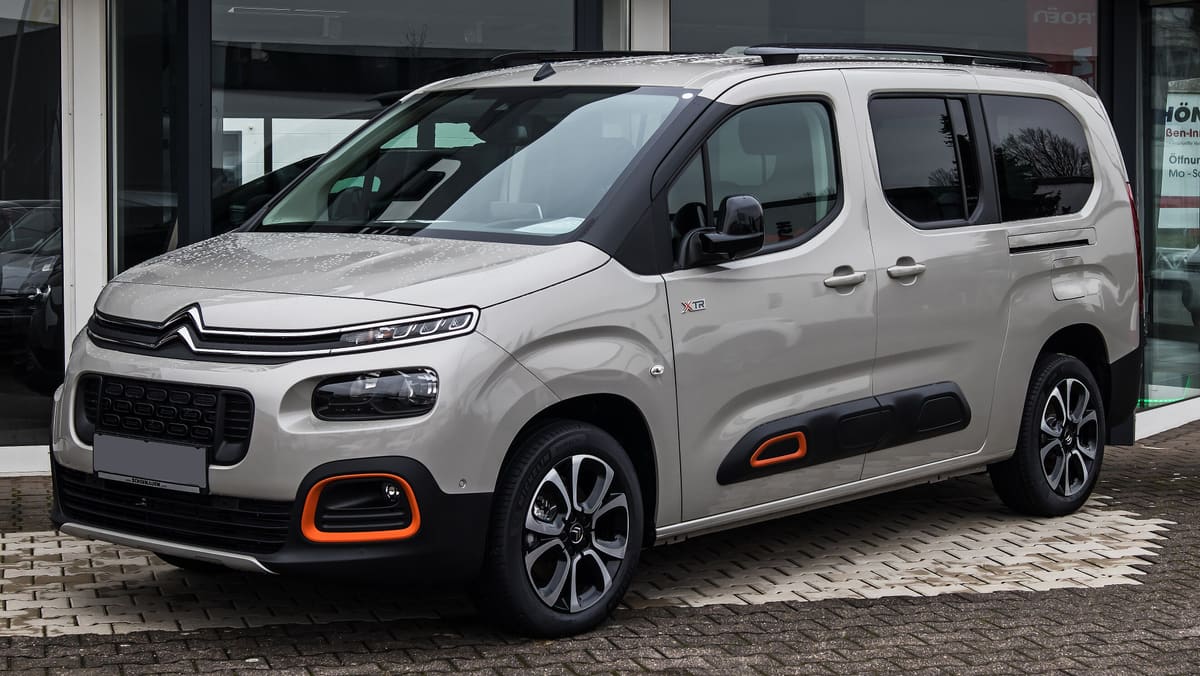
The Peugeot Partner’s running costs are influenced by its tax classification, insurance group, servicing requirements, and depreciation profile. Its commercial vehicle roots often mean favourable tax treatment, moderate insurance costs depending on trim and usage, straightforward servicing, and steady value retention compared to typical passenger cars in its class.
Vehicle Tax and Its Impact on Running Costs
The Peugeot Partner benefits from a tax system that recognises its commercial vehicle status, which can reduce the annual cost of vehicle excise duty (VED) compared to many passenger cars. This is because tax bands for vans and light commercial vehicles are structured differently, often based on factors such as CO2 emissions and vehicle weight.
Owners should check the official government website to confirm the exact tax band for the specific Partner model and trim they are considering, as emissions and weight can vary. Lower emissions generally mean lower tax, but commercial vehicles may also have exemptions or reduced rates if used primarily for business purposes.
Tax savings can be significant over the years, especially if the vehicle is registered as a van rather than a passenger car. However, any private use or passenger-carrying capacity might affect eligibility for certain tax benefits, so it is important to understand how the Partner is classified for tax purposes.
Insurance Costs and Influencing Factors
Insurance premiums for the Peugeot Partner depend on its insurance group rating, which is influenced by factors such as engine size, repair costs, safety features, and theft risk. Typically, commercial vehicles like the Partner fall into moderate insurance groups, but this can vary widely depending on the exact model and usage.
The Partner’s insurance costs may be lower than comparable passenger vehicles due to its commercial nature and lower performance orientation, but higher if it is used for business with valuable cargo or if it has higher trim levels with more expensive parts. Drivers’ personal details, location, and claims history also play a significant role in determining the premium.
Prospective buyers should obtain insurance quotes tailored to their circumstances and the specific Partner variant they want. This helps to understand how factors such as payload, security features, and driver profile influence the final cost.
Servicing and Maintenance Demands
The Peugeot Partner is designed with practicality and durability in mind, which generally translates into straightforward and relatively affordable servicing. Routine maintenance includes oil changes, brake checks, tyre replacements, and inspections of key components like suspension and exhaust.
Service intervals may be longer than some passenger cars, reflecting the vehicle’s commercial use and robust engineering. Parts tend to be widely available and reasonably priced, though costs can rise if the vehicle has advanced features or specialised equipment.
Owners should follow the manufacturer’s recommended service schedule to avoid costly repairs later. Regular servicing not only keeps the Partner reliable but also helps maintain its resale value by providing a documented maintenance history.
Depreciation and Residual Value
The Peugeot Partner tends to hold its value reasonably well compared to many passenger cars, largely due to its commercial vehicle status and ongoing demand in trades and small businesses. Vans and light commercial vehicles often depreciate more slowly because they are seen as practical tools rather than lifestyle purchases.
Factors that support better residual values include the Partner’s reputation for reliability, fuel efficiency, and versatility. However, depreciation rates can vary depending on mileage, condition, and market demand for used commercial vehicles.
Maintaining the vehicle properly and keeping service records can help preserve its value. Buyers should consider the specific trim and engine options, as these can influence desirability and resale prices.
Fuel Economy and Running Efficiency
Fuel costs are a major part of running expenses for any vehicle, and the Partner’s economy depends on engine type, load, and driving conditions. Diesel variants often offer better fuel efficiency for long-distance or heavy-load use, while petrol versions may be more economical for lighter, urban driving.
Driving style also affects fuel consumption, with smooth acceleration and steady speeds helping to reduce costs. Regular maintenance, such as keeping tyres properly inflated and timely servicing, contributes to optimal fuel efficiency.
Prospective owners should review the fuel economy figures for the specific Partner trim they are interested in, as these can vary significantly and impact overall running costs.
Tyres and Other Consumables
Tyres, brakes, and other consumables represent ongoing costs that depend on usage intensity and driving conditions. The Partner’s tyres are generally robust and designed for commercial use, but heavier loads and frequent urban driving can increase wear.
Choosing the right tyres for the typical driving environment can balance performance, safety, and cost. Regular checks and timely replacements prevent more expensive damage and maintain fuel efficiency.
Other consumables like wiper blades, bulbs, and fluids are relatively inexpensive but should be included in budgeting for routine maintenance to keep the vehicle in good working order.
Peugeot Partner recall record
39 recalls have been issued for the Peugeot Partner, between 1998 and 2026.
BCM software missing telltale if LKA unavailable
R/2026/183Issued 27 April 2026
On affected vehicles the Lane Keep Assist tell-tale fails to illuminate if the front camera is blocked meaning no warning light appears in the instrument cluster.
Remedy:Update the Body Control Module software.
Affects cars built May 2024 to Apr 2025
Water Pump Pulley
R/2026/109Issued 16 March 2026
On affected vehicles due to a production nonconformity the water pump may malfunction which may cause a loss of engine power and result in the engine shutting down.
Remedy:Replace the water pump.
Affects cars built Oct 2025 to Feb 2026
Peugeot Cross carline Fuel Injection common rail.
R/2026/020Issued 21 January 2026
On affected vehicles a non-conformity issue with the fuel injection common rail may lead to a loosening of the nut and a potential fuel leak.
Remedy:Check the fuel injection common rail and if necessary replace the rail and high-pressure fuel pipes.
Affects cars built Jul 2025 to Oct 2025
Peugeot Rifter/Partner (K9) Wrong wheel Bolts.
R/2026/005Issued 2 January 2026
On affected vehicles the incorrect wheel bolts may have been fitted which could result in loosening or loss of the bolts.
Remedy:Check the correct bolts are fitted and replace if necessary.
Affects cars built Sept 2023 to Jul 2025
35 older recalls not shown.
A recall applies to a build range, not to every car of this model. Check a registration to see whether one specific vehicle has an outstanding recall.
Peugeot Partner MOT record
From 149,762 recorded MOT tests, 28.0% failed.
| Registered | Tests | Failed | Median mileage |
|---|---|---|---|
| 2023 | 215 | 12.1% | 27,777 mi |
| 2022 | 6,981 | 17.1% | 41,754 mi |
| 2021 | 10,676 | 17.9% | 57,792 mi |
| 2020 | 9,999 | 14.6% | 61,969 mi |
| 2019 | 12,467 | 18.4% | 74,370 mi |
| 2018 | 13,716 | 26.6% | 85,594 mi |
| 2017 | 13,490 | 28.0% | 92,932 mi |
| 2016 | 12,908 | 29.7% | 94,648 mi |
Most common reasons for failure
- Tyre tread depth not in accordance with the requirements36.2%
- A suspension pin, bush or joint excessively worn24.8%
- a brake lining or pad worn below 1.5mm13.6%
- A lamp missing, inoperative or in the case of a multiple light source more than 1/2 not functioning13.1%
- Brake disc or drum excessively weakened, insecure or fractured12.3%
Figures cover every Peugeot Partner tested in the DVSA dataset, not this specific car. Check a registration for the actual history of one vehicle.
Frequently asked questions
What should I check to keep Peugeot Partner running costs low?
Regularly inspect the timing belt condition and replace it as per the manufacturer’s schedule. A worn timing belt can cause engine damage, leading to expensive repairs. Also, keep an eye on tyre wear and maintain correct pressures to improve fuel efficiency and reduce replacement frequency.
Are Peugeot Partner parts expensive to replace or repair?
Peugeot Partner uses widely available components like the Bosch alternator and standard brake pads, which are generally straightforward to source. Routine parts such as air filters and oil filters are common and can be replaced during regular servicing without specialist tools.
How often should I service my Peugeot Partner to avoid costly repairs?
Following the service intervals recommended in the handbook is essential. This includes oil changes, checking the diesel particulate filter if fitted, and inspecting the clutch system. Neglecting these can lead to warning lights like the engine management light or clutch slipping, which require garage attention.
Does the Peugeot Partner have any specific maintenance needs that affect running costs?
Yes, the diesel models often require attention to the EGR valve, which can become clogged and reduce efficiency. Cleaning or replacing the EGR valve can prevent engine hesitation and maintain fuel economy, helping to keep running costs manageable.
What signs indicate that the Peugeot Partner might need urgent repairs?
Watch for warning lights such as the glow plug indicator flashing irregularly or the engine management light staying on. Unusual noises from the suspension or excessive clutch pedal travel can also signal issues that, if addressed early, prevent more expensive repairs.
Is it better to use main dealer servicing or independent garages for Peugeot Partner maintenance?
Independent garages familiar with Peugeot vehicles can carry out routine jobs like brake pad replacement and oil changes efficiently. However, main dealers have access to Peugeot-specific diagnostic tools, which are useful for resolving complex issues such as electronic fault codes or transmission problems.
How does the Peugeot Partner’s clutch affect running costs?
The clutch on Peugeot Partner vans can wear faster under heavy load or stop-start driving. Signs like slipping or difficulty changing gears suggest it needs checking. Replacing the clutch assembly is a typical garage job that helps avoid damage to the gearbox and costly repairs.
Are there any fuel system components on the Peugeot Partner that impact running costs?
The fuel injectors on diesel Peugeot Partners require clean fuel and occasional servicing to prevent clogging. Dirty injectors can cause rough idling and increased fuel consumption. Regular use of quality diesel and periodic injector cleaning helps maintain smooth running and lower fuel bills.
Sources
- DVSA anonymised MOT tests and results (Open Government Licence v3.0)
- DVSA vehicle safety recalls (Open Government Licence v3.0)