Buying guide
Buying a used Peugeot Partner: what to check before you pay
A complete used-buyer checklist for the Peugeot Partner. Engine, gearbox, electrics, paperwork.
Updated 23rd June 2026 DVSA data: Across 149,762 recorded MOT tests, 28.0% failed.
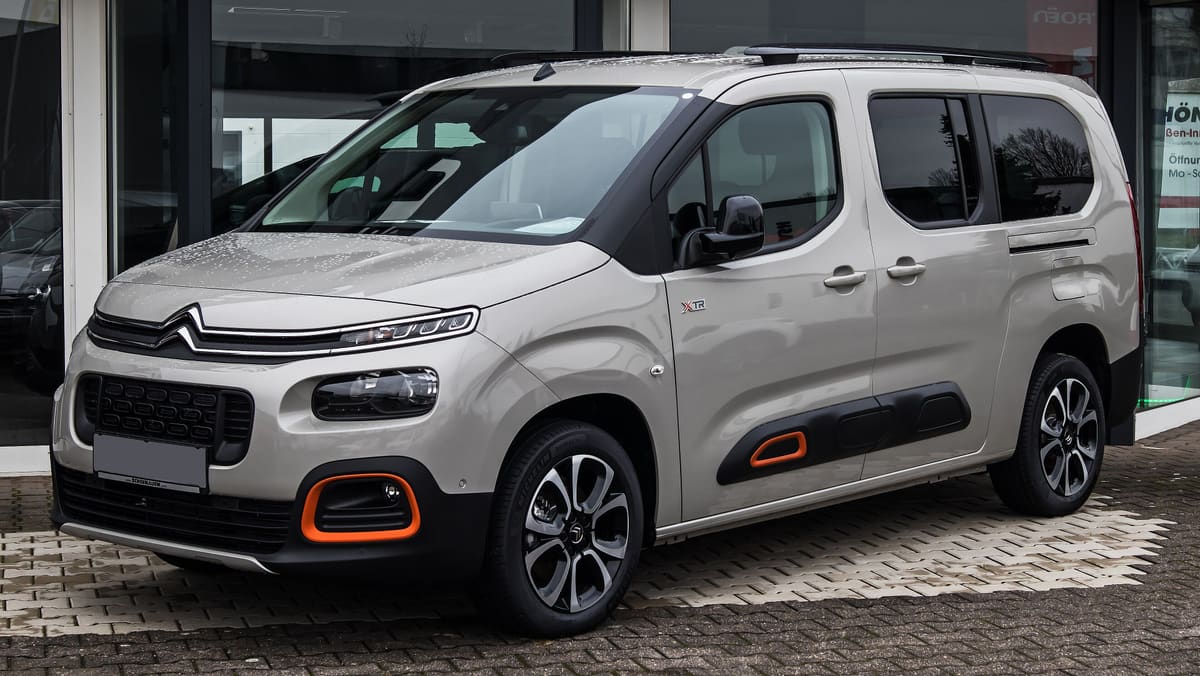
The Peugeot Partner is a versatile van that appeals to both businesses and families. When considering a used model, it’s crucial to assess its condition, history, and suitability for your needs.
Understanding the Peugeot Partner Range
The Peugeot Partner comes in various configurations, including panel vans and crew vans, catering to different needs. Familiarising yourself with the range can help you choose the right model. The Partner is known for its practicality, spacious interiors, and efficient engines, making it a popular choice for both commercial and personal use.
When selecting a model, consider the engine size, payload capacity, and interior layout. The Partner offers both petrol and diesel options, with diesel engines typically providing better fuel efficiency. Depending on your requirements, you may prefer a model with a longer wheelbase for additional cargo space or a crew van for transporting passengers.
Checking the Vehicle History
Before purchasing a used Peugeot Partner, it is essential to check its vehicle history. This includes verifying the MOT status, service history, and any previous accidents or damage. A thorough history check can reveal potential issues that may affect the vehicle’s reliability and resale value.
You can obtain the vehicle’s history through the DVSA MOT data, which provides information on past MOT tests and any advisories. Additionally, a complete service history can indicate how well the vehicle has been maintained. Look for regular servicing and any major repairs that may have been carried out, as this can impact the vehicle’s longevity.
Inspecting the Condition
A physical inspection is crucial when buying a used Peugeot Partner. Check for signs of wear and tear, rust, and any previous repairs. Pay attention to the bodywork, as dents and scratches can indicate rough handling. Inspect the tyres for tread depth and even wear, as uneven wear may suggest alignment issues.
Inside the vehicle, examine the upholstery and dashboard for signs of damage or excessive wear. Ensure that all electronic features, such as air conditioning and infotainment systems, are functioning correctly. A test drive is also vital; listen for unusual noises and assess the vehicle’s handling and braking performance.
Understanding Common Issues
Like any vehicle, the Peugeot Partner has its common issues that potential buyers should be aware of. Some owners report problems with the electrical system, particularly with the central locking and dashboard displays. Additionally, some models may experience issues with the turbocharger in diesel variants, leading to reduced performance.
This can help you gauge the likelihood of encountering issues with the specific model year you are considering. Being informed about potential problems allows you to make a more educated decision.
Evaluating Running Costs
Running costs are an essential consideration when purchasing a used Peugeot Partner. Fuel efficiency, insurance premiums, and maintenance costs can significantly impact your overall expenditure. Diesel models generally offer better fuel economy, making them more cost-effective for long-distance driving or frequent use.
Insurance costs can vary based on the model and your driving history. It’s advisable to obtain insurance quotes before finalising your purchase. Additionally, consider the costs of routine maintenance and repairs, as some parts may be more expensive than others. Researching these factors can help you budget effectively.
Finalising the Purchase
Once you have completed your checks and are satisfied with the condition of the Peugeot Partner, it’s time to finalise the purchase. Ensure that you have all necessary documentation, including the V5C registration document, MOT certificates, and service history. Verify that the seller is legitimate and that the vehicle has not been reported stolen.
Before completing the transaction, negotiate the price based on your findings during the inspection. If you have identified any issues, use these as leverage to secure a better deal. After agreeing on a price, ensure that you complete the necessary paperwork and transfer the vehicle’s ownership correctly.
By following this full checklist, you can confidently work through it of purchasing a used Peugeot Partner, so you can decide with confidence.
Peugeot Partner recall record
39 recalls have been issued for the Peugeot Partner, between 1998 and 2026.
BCM software missing telltale if LKA unavailable
R/2026/183Issued 27 April 2026
On affected vehicles the Lane Keep Assist tell-tale fails to illuminate if the front camera is blocked meaning no warning light appears in the instrument cluster.
Remedy:Update the Body Control Module software.
Affects cars built May 2024 to Apr 2025
Water Pump Pulley
R/2026/109Issued 16 March 2026
On affected vehicles due to a production nonconformity the water pump may malfunction which may cause a loss of engine power and result in the engine shutting down.
Remedy:Replace the water pump.
Affects cars built Oct 2025 to Feb 2026
Peugeot Cross carline Fuel Injection common rail.
R/2026/020Issued 21 January 2026
On affected vehicles a non-conformity issue with the fuel injection common rail may lead to a loosening of the nut and a potential fuel leak.
Remedy:Check the fuel injection common rail and if necessary replace the rail and high-pressure fuel pipes.
Affects cars built Jul 2025 to Oct 2025
Peugeot Rifter/Partner (K9) Wrong wheel Bolts.
R/2026/005Issued 2 January 2026
On affected vehicles the incorrect wheel bolts may have been fitted which could result in loosening or loss of the bolts.
Remedy:Check the correct bolts are fitted and replace if necessary.
Affects cars built Sept 2023 to Jul 2025
35 older recalls not shown.
A recall applies to a build range, not to every car of this model. Check a registration to see whether one specific vehicle has an outstanding recall.
Peugeot Partner MOT record
From 149,762 recorded MOT tests, 28.0% failed.
| Registered | Tests | Failed | Median mileage |
|---|---|---|---|
| 2023 | 215 | 12.1% | 27,777 mi |
| 2022 | 6,981 | 17.1% | 41,754 mi |
| 2021 | 10,676 | 17.9% | 57,792 mi |
| 2020 | 9,999 | 14.6% | 61,969 mi |
| 2019 | 12,467 | 18.4% | 74,370 mi |
| 2018 | 13,716 | 26.6% | 85,594 mi |
| 2017 | 13,490 | 28.0% | 92,932 mi |
| 2016 | 12,908 | 29.7% | 94,648 mi |
Most common reasons for failure
- Tyre tread depth not in accordance with the requirements36.2%
- A suspension pin, bush or joint excessively worn24.8%
- a brake lining or pad worn below 1.5mm13.6%
- A lamp missing, inoperative or in the case of a multiple light source more than 1/2 not functioning13.1%
- Brake disc or drum excessively weakened, insecure or fractured12.3%
Figures cover every Peugeot Partner tested in the DVSA dataset, not this specific car. Check a registration for the actual history of one vehicle.
Frequently asked questions
What should I look for when buying a used Peugeot Partner?
Check the vehicle's service history, mileage, and condition. Look for signs of wear and tear, and ensure all features are functioning properly.
How reliable is the Peugeot Partner?
The Peugeot Partner is generally considered reliable, with many owners reporting few issues. Regular maintenance can help ensure its longevity.
What are the common problems with the Peugeot Partner?
Common issues can include electrical faults and wear on suspension components. It's advisable to have a thorough inspection before purchasing.
What is the fuel economy like for the Peugeot Partner?
Fuel economy varies by engine type, but many models offer competitive mileage for a van. Check the specific model for accurate figures.
Are there different versions of the Peugeot Partner?
Yes, the Peugeot Partner comes in various configurations, including different lengths and engine options. Choose one that suits your needs.
Is the Peugeot Partner suitable for families?
The Peugeot Partner can be a good choice for families, especially with its spacious interior and flexible seating options. Consider your family's specific needs.
What is the insurance group for the Peugeot Partner?
Insurance groups for the Peugeot Partner can vary based on the model and specifications. It's best to check with your insurance provider for accurate information.
How does the Peugeot Partner compare to its competitors?
The Peugeot Partner is often praised for its practicality and comfort. Comparing it with rivals like the Citroën Berlingo or Ford Transit Connect can help you decide with confidence.
Sources
- DVSA anonymised MOT tests and results (Open Government Licence v3.0)
- DVSA vehicle safety recalls (Open Government Licence v3.0)