Running costs
Nissan X-Trail running costs: what UK ownership really costs
Nissan X-Trail UK running costs: fuel or electric, insurance group, road tax, servicing and depreciation.
Updated 29th September 2026 DVSA data: Across 87,311 recorded MOT tests, 27.0% failed.
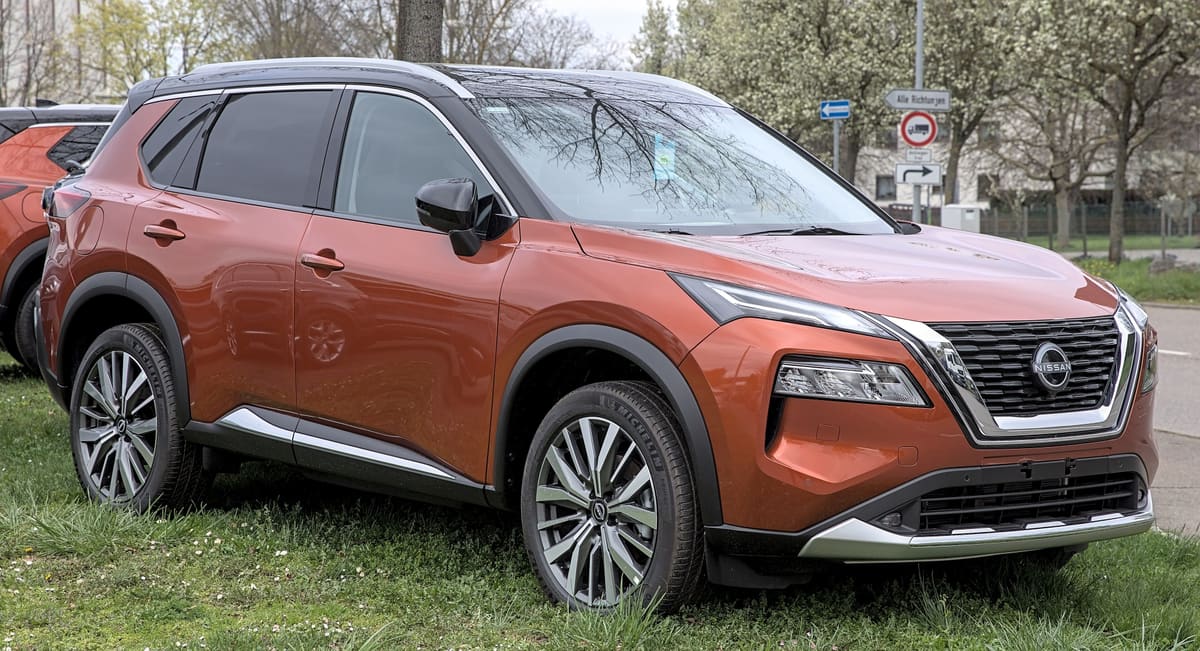
The Nissan X-Trail’s running costs are shaped by its tax classification, insurance grouping, servicing demands, and depreciation profile. Its tax depends on engine type and emissions, while insurance groups reflect its size and safety features. Routine maintenance is straightforward but can vary with engine choice. The X-Trail generally holds value reasonably well for a family SUV but is influenced by market trends and condition.
Vehicle Tax and How It Affects Running Costs
The cost of vehicle tax for a Nissan X-Trail depends primarily on the engine type and its emissions profile. Petrol, diesel, and hybrid versions are taxed differently under the UK’s Vehicle Excise Duty system, which considers CO2 emissions as a key factor. Lower emissions typically mean lower tax bands, reducing annual costs.
For petrol and diesel models, the tax system applies a tiered structure based on emissions, with higher-polluting engines attracting steeper charges. Diesel variants may face additional surcharges if they do not meet recent emissions standards. Hybrid versions often benefit from reduced or zero tax in the first year and lower ongoing rates due to their cleaner running.
It is important to check the specific trim and engine variant of the X-Trail you are considering, as tax liabilities can vary significantly. The official government website provides the most accurate and up-to-date information on tax bands and rates.
Insurance Group and Its Impact on Premiums
Insurance costs for the Nissan X-Trail are influenced by its assigned insurance group, which reflects factors such as engine size, repair costs, safety equipment, and theft risk. As a mid-sized SUV, the X-Trail typically falls into moderate insurance groups, balancing its family-friendly appeal with the cost of parts and repair complexity.
Safety features like multiple airbags, stability control, and advanced driver assistance systems can help lower insurance premiums by reducing the risk of injury and accident claims. Conversely, higher-powered engines or trims with expensive alloy wheels and tech may push the insurance group higher.
Drivers should obtain personalised insurance quotes for the exact X-Trail model they intend to buy, as premiums vary widely with driver age, location, and claims history. Insurance comparison websites provide tailored estimates based on these details.
Servicing and Maintenance Demands
The Nissan X-Trail’s servicing requirements are generally straightforward, reflecting its reputation as a reliable family SUV. Routine maintenance includes oil and filter changes, brake inspections, tyre checks, and fluid top-ups. The frequency and cost of servicing depend on the engine type and mileage intervals recommended by Nissan.
Diesel engines may require additional attention to components like the diesel particulate filter and fuel system, which can add to servicing complexity and cost. Petrol and hybrid variants tend to have simpler maintenance routines, though hybrid systems require specialised checks on battery health and electrical components.
Parts availability for the X-Trail is generally good, and servicing costs are competitive compared to other SUVs in its class. Owners can choose between franchised dealers or independent garages, with the latter often offering more affordable labour rates without compromising quality.
Fuel Economy and Running Costs
Fuel consumption is a significant factor in the overall cost of running the Nissan X-Trail. The vehicle’s size and weight mean it is not the most economical SUV, but engine choice and driving style have a strong influence. Smaller petrol engines and hybrids tend to be more economical, especially in urban or mixed driving conditions.
Diesel versions may offer better efficiency on longer journeys or motorway driving but require consideration of fuel prices and potential emissions-related restrictions in urban areas. Hybrid variants combine petrol engines with electric motors to reduce fuel use and emissions, which can lower running costs if driven in a way that maximises electric assistance.
Drivers should consider their typical driving patterns and fuel prices when choosing an X-Trail engine to balance purchase price, fuel economy, and running costs effectively.
Depreciation and Resale Value
The Nissan X-Trail generally holds its value reasonably well within the family SUV segment. Its reputation for reliability, spacious interior, and practical features support steady demand in the used car market. However, depreciation rates are influenced by factors such as mileage, condition, trim level, and market trends.
Higher-spec models with advanced technology and safety features tend to retain value better, while lower trims may depreciate faster. Diesel models can be affected by changing regulations and buyer preferences, potentially impacting resale prices.
Maintaining the vehicle well, keeping service records, and avoiding excessive mileage help preserve resale value. Prospective buyers should consider depreciation alongside other running costs to assess the overall financial impact of owning an X-Trail.
Tyres, Repairs, and Other Running Costs
Tyre wear on the Nissan X-Trail is typical for a vehicle of its size and weight, with replacement frequency depending on driving style and road conditions. Choosing tyres suited to the vehicle’s weight and intended use can improve longevity and safety.
Repairs beyond routine maintenance are generally affordable but can vary depending on the availability of parts and the complexity of the model’s technology. The X-Trail’s mechanical simplicity compared to some rivals can reduce repair costs, but hybrid models may incur higher expenses for specialised components.
Other running costs include MOT testing, which is mandatory annually after the vehicle’s third year, and any necessary repairs to keep the car roadworthy. Budgeting for these predictable expenses helps manage the total cost of ownership effectively.
Nissan X-Trail recall record
19 recalls have been issued for the Nissan X-Trail, between 2003 and 2026.
X-TRAIL T33 Lithium Ion Battery
R/2026/265Issued 10 July 2026
For affected vehicles the lithium-ion battery controller (LBC) on some X-Trail (T33) vehicles may not properly maintain diagnostic robustness. It has been found that these ICs may misdiagnose abnormalities and as a result the system may enter fail-safe mode during driving which restricts motor output and prohibits charging. Under certain conditions a loss of motive power may occur and the vehicle may stop while driving due to the loss of propulsion.
Remedy:Update to the Battery Management Software (BMW)
Affects cars built Dec 2021 to Apr 2026
XTRAIL (T33) Adaptive LED Headlight
R/2025/051Issued 3 March 2025
On affected vehicles the Adaptive LED Headlight (ALH) configuration may be out of specification. In this condition the ALH may not function as intended and alternate between high and low beam mode despite the presence of other vehicles.
Remedy:Update the adaptive LED headlights (ALH) control module software configuration with revised parameters.
Affects cars built Jan 2024 to Oct 2024
XTRAIL (T33) Intelligent Speed Assistance
R/2025/052Issued 3 March 2025
For certain vehicles due to incorrect software calibration the Intelligent Speed Assistance may not behave as intended.
Remedy:Reconfigure the associated control units to address the issue.
Affects cars built Jul 2024 to Sept 2024
A NON-DESSICATED PASSENGER AIRBAG INFLATOR WAS USED DURING PREVIOUS RECALL TO REPLACE THIS COMPONENT
R/2018/100Issued 17 August 2018
In 2013 Nissan announced a Recall campaign to replace Takata SPI front passenger airbag inflators. A non-dessicated passenger airbag inflator was used for the replacement. Although there have been no known incidents associated with inflators of this type Nissan has decided to replace all inflators previously repaired with a non-dessicated inflator to a new dessicated version.
Remedy:Replace the front passenger airbag inflator with a new dessicated type.
Affects cars built Jan 2004 to Nov 2012
15 older recalls not shown.
A recall applies to a build range, not to every car of this model. Check a registration to see whether one specific vehicle has an outstanding recall.
Nissan X-Trail MOT record
From 87,311 recorded MOT tests, 27.0% failed.
| Registered | Tests | Failed | Median mileage |
|---|---|---|---|
| 2022 | 499 | 5.0% | 24,036 mi |
| 2021 | 2,269 | 11.2% | 32,807 mi |
| 2020 | 4,676 | 11.4% | 39,592 mi |
| 2019 | 5,583 | 14.3% | 46,578 mi |
| 2018 | 8,815 | 16.1% | 58,730 mi |
| 2017 | 16,969 | 22.2% | 68,882 mi |
| 2016 | 14,733 | 27.1% | 78,111 mi |
| 2015 | 8,138 | 31.4% | 88,674 mi |
Most common reasons for failure
- A suspension pin, bush or joint excessively worn38.1%
- Tyre tread depth not in accordance with the requirements20.1%
- a brake lining or pad worn below 1.5mm17.3%
- A suspension component excessively damaged or corroded13.7%
- Brake disc or drum excessively weakened, insecure or fractured10.9%
Figures cover every Nissan X-Trail tested in the DVSA dataset, not this specific car. Check a registration for the actual history of one vehicle.
Nissan X-Trail official figures
Median across 6 variants on sale, diesel, petrol.
- CO2 emissions
- 165 g/km
- Sets the first-year tax rate
Diesel variants of this model attract the diesel VED supplement in their first year.
Official figures for new cars. Real economy varies with driving, load and conditions.
Frequently asked questions
How often should I service the Nissan X-Trail to keep running costs low?
Regular servicing is key to managing running costs. For the X-Trail, check the condition of the timing chain and engine oil during each service. The timing chain tensioner can wear over time, so a garage inspection every 12,000 miles or annually helps avoid costly repairs.
What are typical maintenance jobs for the Nissan X-Trail's hybrid system?
The hybrid system requires specific attention to the battery cooling fan and inverter coolant. Listen for unusual noises from the battery fan and ensure the coolant level is checked during servicing. These components help maintain hybrid efficiency and prevent overheating.
Does the Nissan X-Trail have any warning lights I should watch for that affect running costs?
Yes, the glow plug warning light on diesel models signals issues with the emission system. Ignoring it can lead to increased fuel consumption and expensive repairs. If this light stays on, get the diesel particulate filter and sensors checked promptly.
Are tyre wear and replacement a significant factor in the Nissan X-Trail's running costs?
Tyre wear can impact fuel efficiency and safety. The X-Trail’s all-wheel-drive versions tend to wear tyres unevenly, especially the front ones. Regularly check tyre tread depth and alignment to avoid premature replacement and maintain handling.
What should I check to avoid high fuel costs with a Nissan X-Trail?
Keep an eye on the air filter and fuel injectors. A clogged air filter reduces engine efficiency, while dirty injectors cause rough running and higher fuel use. Replacing the air filter and cleaning injectors during servicing helps maintain good fuel economy.
How does the Nissan X-Trail’s transmission affect running costs?
The CVT gearbox in many X-Trails needs regular fluid changes to prevent wear. If you notice shuddering or delayed acceleration, it could indicate transmission fluid degradation. A garage can perform a fluid flush to extend the transmission’s lifespan.
Is battery replacement a concern for the Nissan X-Trail hybrid models?
Hybrid battery health is crucial. Watch for reduced electric-only driving or warning messages related to battery charge. While the battery usually lasts many years, testing its state of health during servicing can help plan for eventual replacement.
What routine checks can help reduce unexpected repair costs on the Nissan X-Trail?
Regularly inspect brake pads and discs for wear, especially if you drive in stop-start traffic. The X-Trail’s regenerative braking helps preserve pads, but worn discs can cause vibration and noise. Early replacement prevents damage to other brake components.
Sources
- DVSA anonymised MOT tests and results (Open Government Licence v3.0)
- VCA new car fuel consumption and emissions data (Open Government Licence v3.0)
- DVSA vehicle safety recalls (Open Government Licence v3.0)