Common problems
Nissan X-Trail common problems and reliability issues
Honest rundown of the most common Nissan X-Trail faults, what to watch for, and how to keep one running well.
Updated 23rd June 2026 DVSA data: Across 87,311 recorded MOT tests, 27.0% failed.
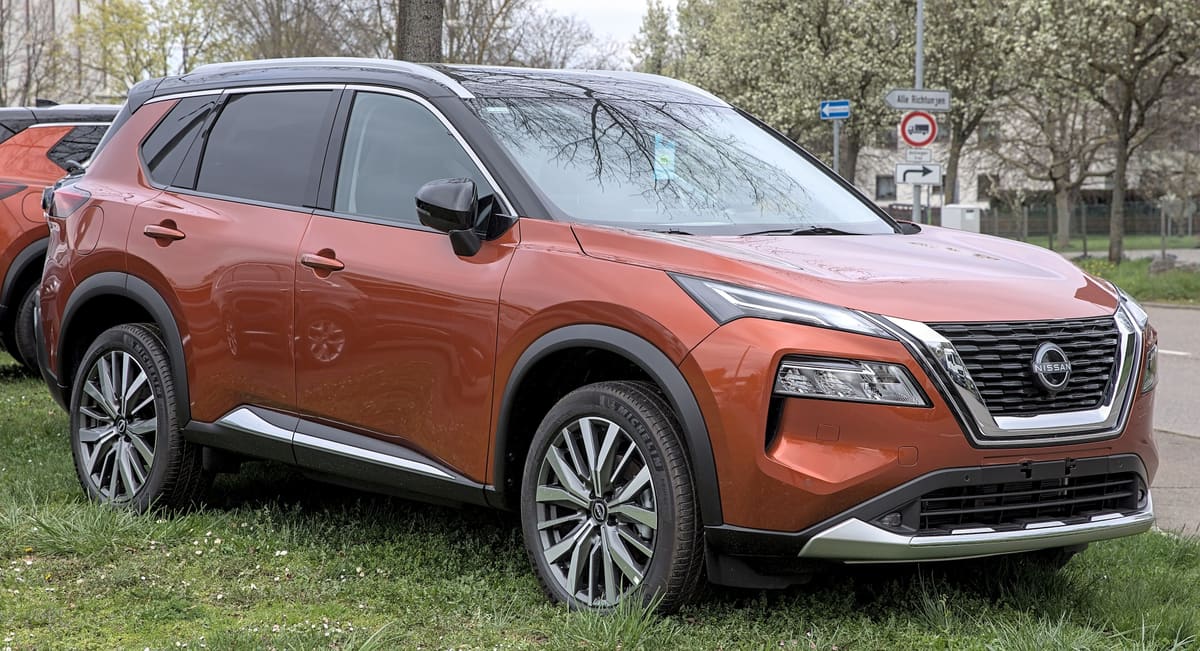
The Nissan X-Trail is a popular choice among UK drivers for its practicality and reliability. Common problems reported by owners include electrical faults, transmission issues, and suspension concerns, which can affect the overall performance and safety of the vehicle.
Electrical Problems
Electrical issues are among the most frequently reported problems with the Nissan X-Trail. Owners have noted problems with the central locking system, dashboard warning lights, and malfunctioning infotainment systems. These faults can lead to inconvenience and may require professional diagnosis and repair.
One common electrical issue involves the battery draining unexpectedly. This can be caused by faulty wiring or components that draw power even when the vehicle is off. Additionally, some owners have reported problems with the key fob not functioning correctly, which can prevent the vehicle from starting or locking properly.
Another area of concern is the vehicle’s lighting system. Drivers have experienced problems with headlights and brake lights failing, which can pose safety risks. Regular checks of the electrical system can help identify these issues before they become serious.
Transmission Issues
Transmission problems are another area where the Nissan X-Trail has garnered some negative feedback. Owners have reported issues with automatic transmission slipping or hesitating during gear changes. This can lead to a less smooth driving experience and may indicate underlying mechanical issues.
Some drivers have also experienced problems with the transmission fluid leaking, which can lead to more severe damage if not addressed promptly. Regular maintenance, including fluid checks and changes, is essential to prevent these issues from escalating.
In some cases, the transmission control module may malfunction, leading to erratic shifting patterns. This can be particularly concerning for drivers who rely on their vehicle for towing or carrying heavy loads. Ensuring that the transmission system is regularly serviced can help mitigate these risks.
Suspension Concerns
Suspension issues are commonly reported by Nissan X-Trail owners, particularly in older models. Problems such as worn-out shock absorbers and struts can lead to a rough ride and decreased handling performance. This can be particularly noticeable on uneven road surfaces.
Drivers have also reported issues with the front suspension components, such as control arms and bushings, wearing out prematurely. This can lead to increased tyre wear and affect the vehicle’s alignment, resulting in handling problems. Regular inspections of the suspension system can help catch these issues early.
Additionally, some owners have experienced noise coming from the suspension, which can indicate worn parts or loose components. Addressing these noises promptly can prevent further damage and ensure a safer driving experience.
Engine Problems
Engine-related issues can also affect the Nissan X-Trail, with some owners reporting problems such as excessive oil consumption and engine misfires. These issues can lead to decreased performance and may require significant repairs if not addressed.
One common problem is the failure of the turbocharger in diesel models, which can lead to a loss of power and increased emissions. Regular servicing and monitoring of engine performance can help identify these issues before they become critical.
Another concern is the timing chain tensioner, which can wear out and lead to timing issues. This can result in serious engine damage if not addressed promptly. Keeping up with scheduled maintenance and addressing any warning lights on the dashboard can help prevent these problems.
Brake System Issues
The brake system is crucial for safety, and some Nissan X-Trail owners have reported issues with brake performance. Problems such as squeaking or grinding noises when braking can indicate worn brake pads or discs, which need to be replaced to ensure safe stopping power.
Additionally, some drivers have experienced issues with the anti-lock braking system (ABS) warning light illuminating. This can indicate a malfunction within the ABS system, which is essential for maintaining control during emergency braking situations. Regular checks of the brake system can help identify these issues early.
Another concern is brake fluid leaks, which can lead to reduced braking efficiency. Keeping an eye on brake fluid levels and addressing any leaks promptly is essential for maintaining vehicle safety.
Fuel System Problems
Fuel system issues can also arise with the Nissan X-Trail, particularly with older models. Some owners have reported problems with the fuel pump failing, which can lead to the engine stalling or failing to start. This can be particularly frustrating for drivers who rely on their vehicle for daily commuting.
Another common issue is fuel injector problems, which can lead to poor fuel economy and increased emissions. Regular maintenance, including fuel system cleaning, can help prevent these issues from developing.
Additionally, some drivers have experienced problems with the fuel gauge not reading accurately, leading to unexpected fuel shortages. Keeping track of fuel consumption and addressing any discrepancies with the fuel gauge can help prevent running out of fuel unexpectedly.
Conclusion
While the Nissan X-Trail is generally regarded as a reliable vehicle, it is important for owners to be aware of common problems that can arise. Regular maintenance and prompt attention to any warning signs can help mitigate these issues and ensure a safe and enjoyable driving experience. By staying informed, drivers can make the most of their Nissan X-Trail and enjoy its many benefits.
Nissan X-Trail recall record
19 recalls have been issued for the Nissan X-Trail, between 2003 and 2026.
X-TRAIL T33 Lithium Ion Battery
R/2026/265Issued 10 July 2026
For affected vehicles the lithium-ion battery controller (LBC) on some X-Trail (T33) vehicles may not properly maintain diagnostic robustness. It has been found that these ICs may misdiagnose abnormalities and as a result the system may enter fail-safe mode during driving which restricts motor output and prohibits charging. Under certain conditions a loss of motive power may occur and the vehicle may stop while driving due to the loss of propulsion.
Remedy:Update to the Battery Management Software (BMW)
Affects cars built Dec 2021 to Apr 2026
XTRAIL (T33) Adaptive LED Headlight
R/2025/051Issued 3 March 2025
On affected vehicles the Adaptive LED Headlight (ALH) configuration may be out of specification. In this condition the ALH may not function as intended and alternate between high and low beam mode despite the presence of other vehicles.
Remedy:Update the adaptive LED headlights (ALH) control module software configuration with revised parameters.
Affects cars built Jan 2024 to Oct 2024
XTRAIL (T33) Intelligent Speed Assistance
R/2025/052Issued 3 March 2025
For certain vehicles due to incorrect software calibration the Intelligent Speed Assistance may not behave as intended.
Remedy:Reconfigure the associated control units to address the issue.
Affects cars built Jul 2024 to Sept 2024
A NON-DESSICATED PASSENGER AIRBAG INFLATOR WAS USED DURING PREVIOUS RECALL TO REPLACE THIS COMPONENT
R/2018/100Issued 17 August 2018
In 2013 Nissan announced a Recall campaign to replace Takata SPI front passenger airbag inflators. A non-dessicated passenger airbag inflator was used for the replacement. Although there have been no known incidents associated with inflators of this type Nissan has decided to replace all inflators previously repaired with a non-dessicated inflator to a new dessicated version.
Remedy:Replace the front passenger airbag inflator with a new dessicated type.
Affects cars built Jan 2004 to Nov 2012
15 older recalls not shown.
A recall applies to a build range, not to every car of this model. Check a registration to see whether one specific vehicle has an outstanding recall.
Nissan X-Trail MOT record
From 87,311 recorded MOT tests, 27.0% failed.
| Registered | Tests | Failed | Median mileage |
|---|---|---|---|
| 2022 | 499 | 5.0% | 24,036 mi |
| 2021 | 2,269 | 11.2% | 32,807 mi |
| 2020 | 4,676 | 11.4% | 39,592 mi |
| 2019 | 5,583 | 14.3% | 46,578 mi |
| 2018 | 8,815 | 16.1% | 58,730 mi |
| 2017 | 16,969 | 22.2% | 68,882 mi |
| 2016 | 14,733 | 27.1% | 78,111 mi |
| 2015 | 8,138 | 31.4% | 88,674 mi |
Most common reasons for failure
- A suspension pin, bush or joint excessively worn38.1%
- Tyre tread depth not in accordance with the requirements20.1%
- a brake lining or pad worn below 1.5mm17.3%
- A suspension component excessively damaged or corroded13.7%
- Brake disc or drum excessively weakened, insecure or fractured10.9%
Figures cover every Nissan X-Trail tested in the DVSA dataset, not this specific car. Check a registration for the actual history of one vehicle.
Nissan X-Trail official figures
Median across 6 variants on sale, diesel, petrol.
- CO2 emissions
- 165 g/km
- Sets the first-year tax rate
Diesel variants of this model attract the diesel VED supplement in their first year.
Official figures for new cars. Real economy varies with driving, load and conditions.
Frequently asked questions
What are the most common issues with the Nissan X-Trail?
Common issues with the Nissan X-Trail include problems with the diesel particulate filter, electrical faults, and issues with the automatic transmission. Regular maintenance can help mitigate some of these problems.
How reliable is the Nissan X-Trail?
The Nissan X-Trail generally has a good reputation for reliability, but like any vehicle, it can experience issues over time. Checking service history and conducting a thorough inspection can provide insight into its reliability.
Are there any known electrical problems with the Nissan X-Trail?
Yes, some owners have reported electrical problems, including issues with the central locking system and dashboard warning lights. It is advisable to check the electrical systems during a vehicle inspection.
What should I look for when buying a used Nissan X-Trail?
When buying a used Nissan X-Trail, check for service history, look for signs of wear and tear, and ensure that all electrical features are functioning. It's also wise to verify if the vehicle has had any recalls addressed.
Is the Nissan X-Trail prone to rust?
The Nissan X-Trail is not particularly known for rust issues, but older models may show signs of corrosion, especially in areas exposed to road salt. Regular inspections can help catch any rust early.
How can I prevent common problems with my Nissan X-Trail?
Regular servicing and maintenance are key to preventing common problems with the Nissan X-Trail. Keeping up with oil changes, checking the brakes, and monitoring the transmission fluid can help maintain the vehicle's performance.
What are the signs of a failing automatic transmission in the Nissan X-Trail?
Signs of a failing automatic transmission may include slipping gears, delayed engagement, or unusual noises when shifting. If you notice these symptoms, it is important to have the transmission checked by a professional.
Sources
- DVSA anonymised MOT tests and results (Open Government Licence v3.0)
- VCA new car fuel consumption and emissions data (Open Government Licence v3.0)
- DVSA vehicle safety recalls (Open Government Licence v3.0)