Top fixes
Nissan Note top fixes: how owners handle the common issues
Practical fixes for the common Nissan Note faults owners run into.
Updated 4th September 2026 DVSA data: Across 145,933 recorded MOT tests, 28.1% failed.
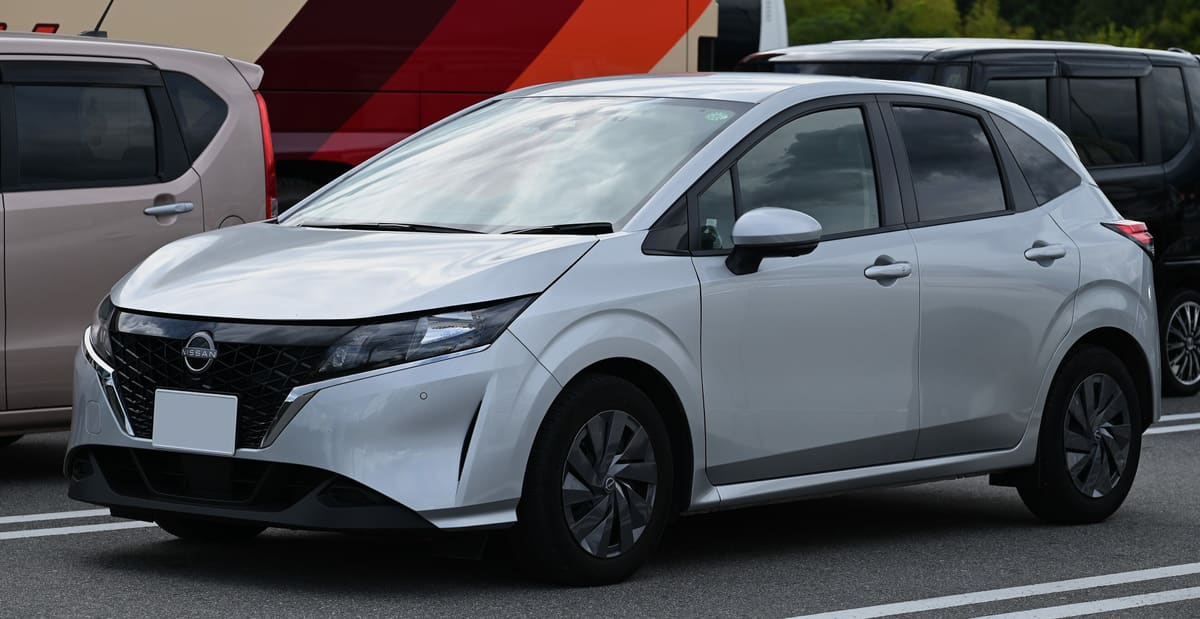
The Nissan Note is a popular choice among UK drivers, but like any vehicle, it can encounter issues over time. Common problems include electrical faults, suspension wear, and engine performance concerns. Fortunately, many of these issues have practical fixes that can help owners maintain their cars effectively.
Electrical Faults
One of the most frequently reported issues with the Nissan Note involves electrical faults, particularly with the central locking system and dashboard warning lights. Owners often experience intermittent problems where the central locking fails to operate correctly.
To address these electrical issues, start by checking the fuses related to the central locking system. If the fuses are intact, inspect the wiring for any signs of wear or damage. Sometimes, a simple reset of the car’s battery can help clear warning lights on the dashboard. If problems persist, a visit to a qualified electrician may be necessary to diagnose deeper electrical faults.
Suspension Wear
Suspension problems are another common complaint among Nissan Note owners, particularly concerning the front suspension components. Over time, wear and tear can lead to a bumpy ride and increased noise when driving over uneven surfaces.
To fix suspension issues, begin by inspecting the shock absorbers and struts for leaks or damage. Replacing worn components can significantly improve ride quality. Additionally, ensure that the wheel alignment is checked regularly, as misalignment can exacerbate suspension wear and lead to uneven tyre wear.
Engine Performance
Some Nissan Note owners report a decline in engine performance, often characterised by sluggish acceleration or rough idling. This can be attributed to various factors, including dirty air filters or fuel injectors.
To enhance engine performance, start with a thorough inspection of the air filter. A clogged filter can restrict airflow, leading to poor engine performance. Replacing the air filter is a simple and cost-effective fix. Additionally, consider using a fuel injector cleaner to remove any build-up that may be affecting fuel delivery. Regular servicing and timely oil changes can also contribute to optimal engine performance.
Brake Issues
Braking problems are a serious concern for any vehicle, and the Nissan Note is no exception. Owners have reported issues such as squeaking brakes or a spongy brake pedal, which can indicate worn brake pads or air in the brake lines.
To address brake issues, begin by inspecting the brake pads and discs for wear. If the pads are worn down, replacing them is essential for maintaining safety. For spongy brakes, check for air in the brake lines and consider bleeding the brakes to remove any trapped air. Regular brake maintenance is crucial for ensuring the safety and reliability of your Nissan Note.
Tyre Wear
Uneven tyre wear is a common issue that can affect the handling and safety of the Nissan Note. This problem can arise from misalignment, improper inflation, or suspension issues. Regular checks can help identify these problems early.
To fix tyre wear issues, start by checking the tyre pressure regularly and ensuring they are inflated to the manufacturer’s recommended levels. If uneven wear is detected, have the wheel alignment checked and adjusted as necessary. Additionally, rotating the tyres every 5,000 to 7,000 miles can help promote even wear and extend the lifespan of your tyres.
Interior and Exterior Wear
Lastly, many Nissan Note owners report issues related to interior and exterior wear, such as peeling paint or worn upholstery. While these problems may not affect the vehicle’s performance, they can impact its aesthetic appeal.
To tackle exterior paint issues, consider using touch-up paint for minor scratches and chips. For larger areas of peeling, a professional respray may be required. Inside the car, using seat covers can protect upholstery from wear and tear. Regular cleaning and conditioning of surfaces can also help maintain the interior’s appearance over time.
By addressing these common issues with practical fixes, Nissan Note owners can enhance their vehicle’s performance and longevity. Regular maintenance and timely repairs are key to enjoying a trouble-free driving experience.
Nissan Note recall record
10 recalls have been issued for the Nissan Note, between 2006 and 2020.
POSSIBLE REDUCED RETENTION FORCE OF THE REAR DOOR CHILD LOCK SWITCH
R/2020/220Issued 14 August 2020
Possible reduced retention force of the Rear Door Child Lock switch.
Remedy:Fit a countermeasure part into the child lock door switch aperture of all potentially affected vehicles.
Affects cars built Sept 2015 to Aug 2016
ABNORMAL DEPLOYMENT OF PASSENGER AIRBAG
R/2017/226Issued 28 November 2017
The subject vehicles are equipped with front passenger�airbag�inflators which could have been assembled with improperly manufactured propellant This could cause the inflator to rupture and the front passenger�airbag�to deploy abnormally in a crash. This could result in increased risk of injury to the occupant.
Remedy:On affected vehicles replace the airbag with a new assembly.
Affects cars built Aug 2005 to Jul 2013
WHEELS MAY LOCK IF ABS IS ACTIVATED
R/2016/273Issued 19 December 2016
It has been identified that due to a manufacturing issue the Anti-lock Braking System (ABS) Actuator Control Unit may have contamination within it. When in use the contamination particle can migrate within the ABS unit and become trapped in a valve. In this condition the ABS may not operate as per design intent in the worst case when the ABS is activated under certain unusual driving conditions the customer may experience wheel lock and the vehicle�s dynamic behaviour would be adversely affected.
Remedy:Recall all affected vehicles to inspect the ABS control unit and where necessary replace it with new component.
Affects cars built Apr 2016 to Apr 2016
ENGINE MAY STALL AND/OR FAIL TO RESTART
R/2016/008Issued 22 February 2016
The engine ignition coil may not be to the correct specification. The internal electrical components of the coil may short circuit resulting in an engine misfire. In the worst case this short circuit may cause a fuse inside the Power Distribution Module (IPDM) to fail stopping power to the ignition relay. In this condition the engine may stall and prevent the customer from being able to restart the engine.
Remedy:Recall the vehicles that are likely to be affected and replace the ignition coil with new.
Affects cars built Aug 2015 to Jan 2016
6 older recalls not shown.
A recall applies to a build range, not to every car of this model. Check a registration to see whether one specific vehicle has an outstanding recall.
Nissan Note MOT record
From 145,933 recorded MOT tests, 28.1% failed.
| Registered | Tests | Failed | Median mileage |
|---|---|---|---|
| 2017 | 5,134 | 13.9% | 44,117 mi |
| 2016 | 10,644 | 13.6% | 47,002 mi |
| 2015 | 14,851 | 16.2% | 55,906 mi |
| 2014 | 21,621 | 21.1% | 63,664 mi |
| 2013 | 11,698 | 27.8% | 70,658 mi |
| 2012 | 11,420 | 32.4% | 75,215 mi |
| 2011 | 11,539 | 33.4% | 82,834 mi |
| 2010 | 13,390 | 34.2% | 88,835 mi |
Most common reasons for failure
- A suspension pin, bush or joint excessively worn39.3%
- Tyre tread depth not in accordance with the requirements21.0%
- A spring or spring component fractured or seriously weakened17.4%
- A tyre seriously damaged12.9%
- The aim of a headlamp is not within limits laid down in the requirements9.3%
Figures cover every Nissan Note tested in the DVSA dataset, not this specific car. Check a registration for the actual history of one vehicle.
Frequently asked questions
What are common issues with the Nissan Note?
Common issues with the Nissan Note include electrical problems, issues with the clutch, and suspension wear. Regular checks can help identify these problems early.
How can I tell if my Nissan Note needs a new clutch?
Signs that your Nissan Note may need a new clutch include slipping gears, difficulty changing gears, and a burning smell. If you notice these symptoms, it is best to have it inspected.
Are there any recalls for the Nissan Note?
Recalls are issued against individual vehicles rather than a model as a whole, so a model-level yes or no would be guesswork. Enter the registration on Honest Car Check and we check the DVSA record for that specific car. Where DVSA holds no status, confirm it with a franchised dealer using the VIN.
What should I do if my Nissan Note's warning light comes on?
If the warning light comes on, it is important to check the owner's manual for guidance. You should consider having the vehicle diagnosed by a professional to avoid further issues.
What are the signs of suspension problems in a Nissan Note?
Signs of suspension problems include a bumpy ride, uneven tyre wear, and difficulty steering. If you notice these issues, it is best to have the suspension checked by a mechanic.
Can I fix minor issues on my Nissan Note myself?
Yes, some minor issues like changing wiper blades or replacing light bulbs can be done at home. However, for more complex problems, it is advisable to seek professional help.
Where can I find parts for my Nissan Note?
You can find parts for your Nissan Note at authorised Nissan dealers, online retailers, or local auto parts shops. Ensure you choose quality parts for the best performance.
Sources
- DVSA anonymised MOT tests and results (Open Government Licence v3.0)
- DVSA vehicle safety recalls (Open Government Licence v3.0)