Running costs
Mitsubishi L200 running costs: what UK ownership really costs
Mitsubishi L200 UK running costs: fuel or electric, insurance group, road tax, servicing and depreciation.
Updated 30th September 2026 DVSA data: Across 79,396 recorded MOT tests, 25.1% failed.
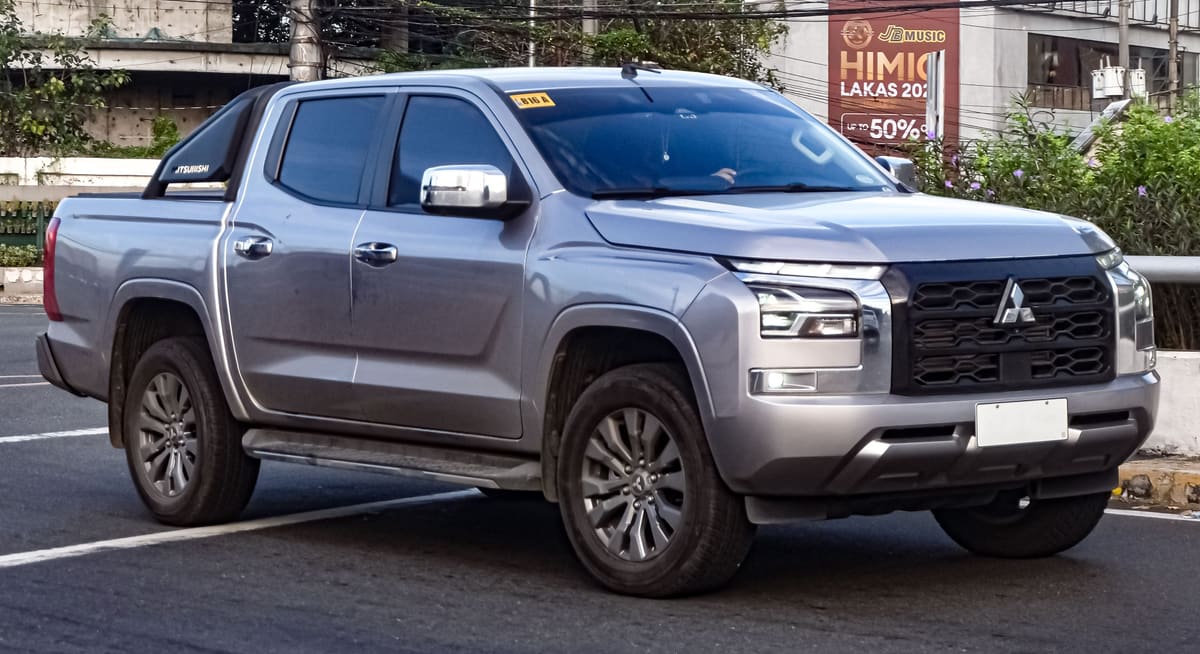
The Mitsubishi L200’s running costs are shaped by its classification as a pick-up with a diesel engine, impacting tax, insurance, servicing, and depreciation differently than typical passenger cars. Its commercial vehicle status often reduces road tax, but insurance can be higher due to its size and usage profile. Servicing is generally straightforward but can be pricier than smaller vehicles, while its value retention benefits from strong demand in the used pick-up market.
Vehicle Tax and Its Impact on Running Costs
The L200 is usually taxed under the commercial vehicle category, which often leads to lower road tax compared to private cars. This is because pick-ups like the L200 are classified differently for Vehicle Excise Duty (VED) purposes, reflecting their intended use and weight rather than just emissions.
This classification means owners can expect a more favourable tax treatment, especially for models registered before changes to tax bands. However, the exact tax payable depends on the vehicle’s registration date and CO2 emissions, so checking the current rates on the government’s official website is essential. For newer models, emissions still play a role but commercial vehicle allowances can mitigate the cost.
The tax advantage can be significant for businesses or individuals who use the L200 for work, but private users should confirm the tax band applicable to their specific model and registration year to understand the full cost implications.
Insurance Considerations for the Mitsubishi L200
Insurance premiums for the L200 tend to be influenced by its size, weight, and typical usage. Being a pick-up, it often falls into higher insurance groups than smaller cars, reflecting the potential repair costs and the vehicle’s appeal to certain drivers.
The insurance group rating is affected by factors such as engine size, power output, and the cost of replacement parts. The L200’s robust build and commercial use can push premiums up, but its reputation for reliability and safety features may help moderate costs.
Drivers should obtain personalised insurance quotes to see how their circumstances affect premiums. Factors like the driver’s age, location, and claims history will also influence the cost. Using comparison tools and checking quotes from multiple insurers is advisable to find the best deal.
Servicing and Maintenance Demands
The L200’s servicing requirements are generally straightforward but can be more expensive than smaller passenger cars due to its commercial vehicle status and diesel engine. Routine maintenance includes oil changes, filter replacements, and checks on the drivetrain and suspension, which are designed to handle heavy loads and off-road conditions.
Diesel engines typically require attention to components like the diesel particulate filter and fuel injection system, which can add to servicing complexity and cost. However, Mitsubishi’s reputation for durability means major repairs are infrequent if the vehicle is properly maintained.
Owners should follow the manufacturer’s recommended service intervals and use authorised service centres or specialists familiar with Mitsubishi pick-ups to ensure the vehicle remains reliable and efficient. Regular servicing helps avoid costly repairs and maintains resale value.
Fuel Costs and Efficiency Factors
Fuel consumption is a key cost driver for the L200, given its diesel engine and pick-up design. While diesel engines generally offer better fuel economy than petrol counterparts, the L200’s size, weight, and potential for heavy towing or off-road use can increase fuel consumption.
Driving style and load significantly affect fuel efficiency. Frequent short trips, heavy payloads, and rough terrain will push fuel costs higher. Conversely, steady motorway driving with a light load can improve economy.
Choosing the right trim and engine variant is important, as different versions of the L200 may have varying fuel efficiency. Prospective buyers should consult official fuel economy figures for the specific model they are considering and factor in their typical driving conditions.
Depreciation and Residual Value
The Mitsubishi L200 tends to hold its value well compared to many other vehicles in its category. Its popularity as a reliable, practical pick-up for both work and leisure contributes to strong demand in the used market.
Commercial vehicles like the L200 often depreciate more slowly because businesses and private buyers seek durable vehicles with proven longevity. The robust build quality and Mitsubishi’s reputation for reliability support this trend.
However, depreciation rates vary by trim level, mileage, condition, and market demand. Regular maintenance and keeping the vehicle in good condition help preserve value. Checking current used prices for comparable models provides a realistic expectation of depreciation.
Tyres and Running Costs
Tyre wear and replacement are notable running costs for the L200 due to its weight and potential off-road use. The vehicle’s size means it requires larger, more robust tyres, which tend to be more expensive than those for smaller cars.
Off-road driving or carrying heavy loads accelerates tyre wear, increasing replacement frequency. Choosing the right type of tyre for typical use. road-focused or all-terrain. can influence both cost and performance.
Maintaining correct tyre pressures and alignment helps extend tyre life and improves fuel efficiency, indirectly reducing running costs. Regular inspections are advisable to detect uneven wear or damage early.
Mitsubishi L200 recall record
15 recalls have been issued for the Mitsubishi L200, between 2001 and 2019.
SIDE STEP SHADE RIVETS MAY CORRODE AND FRACTURE
R/2019/193Issued 10 July 2019
Corrosion of fixing rivets can lead to the side step shade becoming insecure
Remedy:Change the 12 aluminium rivets to M8 bolts and nuts
Affects cars built Apr 2015 to Aug 2016
DOOR LATCHING MECHANISM MAY MALFUNCTION IN HOT TEMPERATURES
R/2018/116Issued 26 May 2018
The locking mechanism in the door latch assembly may not operate properly in high temperatures. As a result the door may not latch correctly and may unintentionally open whilst driving. This may affect one or more doors depending on vehicle identification number.
Remedy:Modified assemblies are available and the remedy is to replace door latch mechanisms as identified by the manufacturer.
Affects cars built Dec 2015 to Jul 2016
AIRBAG MAY RELEASE SHRAPNEL IF DEPLOYED
R/2016/251Issued 30 November 2016
Certain driver side airbags the inflator might release shrapnel from the inflator container during deployment which could injure the driver.
Remedy:On affected vehicles replace air bag inflator.
Affects cars built Nov 2005 to Mar 2015
INDICATORS AND/OR OTHER VEHICLE LIGHTS MAY SWITCH OFF OR BLINK WITHOUT WARNING
R/2016/155Issued 28 July 2016
Due to poor connectivity the indicators and/or vehicle lights may turn off or blink
Remedy:On affected vehicles apply lubricant to switch connections
Affects cars built Jul 2005 to Oct 2005
11 older recalls not shown.
A recall applies to a build range, not to every car of this model. Check a registration to see whether one specific vehicle has an outstanding recall.
Mitsubishi L200 MOT record
From 79,396 recorded MOT tests, 25.1% failed.
| Registered | Tests | Failed | Median mileage |
|---|---|---|---|
| 2021 | 2,551 | 10.8% | 47,406 mi |
| 2020 | 4,599 | 12.0% | 53,871 mi |
| 2019 | 8,484 | 13.6% | 61,556 mi |
| 2018 | 7,633 | 15.5% | 70,074 mi |
| 2017 | 7,864 | 16.4% | 78,263 mi |
| 2016 | 6,422 | 18.8% | 85,648 mi |
| 2015 | 6,300 | 25.0% | 90,221 mi |
| 2014 | 4,444 | 29.1% | 95,039 mi |
Most common reasons for failure
- Brake pipe damaged or excessively corroded39.9%
- A suspension pin, bush or joint excessively worn23.4%
- Tyre tread depth not in accordance with the requirements18.6%
- A lamp missing, inoperative or in the case of a multiple light source more than 1/2 not functioning9.1%
- Vehicle structure corroded to the extent that the rigidity of the assembly is seriously reduced9.0%
Figures cover every Mitsubishi L200 tested in the DVSA dataset, not this specific car. Check a registration for the actual history of one vehicle.
Frequently asked questions
How often should I service the Mitsubishi L200 to keep running costs low?
Regular servicing is key to managing running costs. Mitsubishi recommends checking the engine oil and replacing the oil filter at each service. Keeping an eye on the condition of the air filter and timing belt during these visits can prevent costly repairs later.
What are the typical maintenance jobs I should expect on a Mitsubishi L200?
Routine maintenance includes changing the engine oil, replacing brake pads, and checking the condition of the clutch. The diesel particulate filter (DPF) also needs attention, especially if you do a lot of short trips, as it can become clogged and affect performance.
Does the Mitsubishi L200 have any warning lights I should watch for that might increase running costs?
Yes, the glow plug warning light is important on diesel models. If it stays on or flashes, it could indicate an issue with the glow plugs or the engine management system, which can lead to higher fuel consumption or difficulty starting the engine.
Are tyre replacements a significant part of the Mitsubishi L200 running costs?
Tyre wear can be higher on the L200 due to its weight and off-road use. Checking tyre tread regularly and maintaining correct tyre pressure helps extend their life. Replacing tyres with the correct size and load rating is essential to avoid uneven wear and maintain safety.
How does the Mitsubishi L200’s diesel particulate filter affect running costs?
The DPF traps soot from the exhaust, but it requires periodic regeneration to burn off deposits. If the vehicle is mostly used for short journeys, the filter may clog more quickly, leading to warning lights and the need for a forced regeneration or cleaning at a garage.
Is the clutch on the Mitsubishi L200 expensive to replace or maintain?
The clutch can wear out faster if the vehicle is used for towing or heavy loads. Signs of wear include slipping or difficulty changing gears. Regular checks during servicing can help spot early wear, but replacement is a typical garage job for older or heavily used L200s.
What should I check to avoid unexpected running costs with the Mitsubishi L200’s cooling system?
Keep an eye on the coolant level and condition, as overheating can cause serious engine damage. The thermostat and radiator hoses should be inspected during servicing to prevent leaks or blockages that might lead to costly repairs.
Does the Mitsubishi L200 require special attention to its suspension for cost management?
The suspension components, such as shock absorbers and leaf springs, can wear out faster if the vehicle regularly carries heavy loads or is used off-road. Regular inspections can identify worn parts early, helping to avoid more expensive repairs or handling issues.
Sources
- DVSA anonymised MOT tests and results (Open Government Licence v3.0)
- DVSA vehicle safety recalls (Open Government Licence v3.0)