Common problems
Mitsubishi L200 common problems and reliability issues
Honest rundown of the most common Mitsubishi L200 faults, what to watch for, and how to keep one running well.
Updated 23rd June 2026 DVSA data: Across 79,396 recorded MOT tests, 25.1% failed.
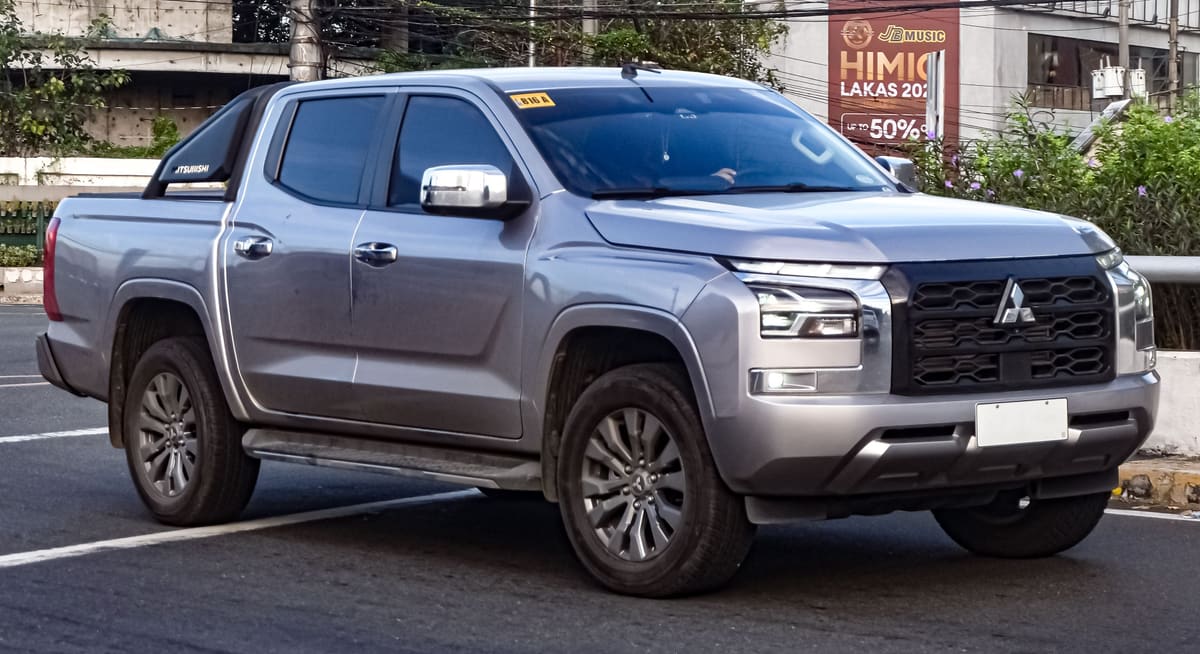
The Mitsubishi L200 is a popular pick-up truck known for its ruggedness and versatility. Common problems include issues with the engine, transmission, suspension, and electrical systems. Understanding these potential issues can help owners maintain their vehicles effectively.
Engine Problems
The Mitsubishi L200 is known for its robust engine, but it can experience certain problems. One common issue is excessive oil consumption, which can lead to engine wear over time. Drivers may notice that they need to top up oil more frequently than expected, indicating a potential problem.
Another engine-related concern is the timing chain tensioner, which can fail, leading to a rattling noise from the engine. If this issue is not addressed, it can result in serious engine damage. Regular maintenance and timely oil changes can help mitigate these risks, as highlighted by DVSA MOT data.
Transmission Issues
Transmission problems are another area where the L200 can falter. Owners have reported issues with the automatic transmission, particularly in older models. Symptoms may include slipping gears, delayed engagement, or harsh shifting. These problems can stem from low transmission fluid levels or worn components.
Manual transmission models are not immune either, with some drivers experiencing difficulty in shifting gears. This can be due to clutch wear or issues with the gear linkage. Regular checks and servicing can help prolong the life of the transmission and avoid costly repairs.
Suspension Concerns
The suspension system of the L200 is designed to handle rough terrain, but it can develop issues over time. One common problem is wear and tear on the shock absorbers, which can lead to a bumpy ride and reduced handling capabilities. Owners should be vigilant for signs of leaking fluid or excessive bouncing.
Additionally, the rear leaf springs can sag, especially if the vehicle is frequently loaded to its maximum capacity. This can affect ride height and stability. Regular inspections and timely replacements of worn components can help maintain optimal performance.
Electrical System Faults
Electrical issues are not uncommon in the Mitsubishi L200, particularly in older models. Owners may experience problems with the battery, alternator, or starter motor. Symptoms can include difficulty starting the vehicle or electrical accessories failing to operate correctly.
Another common electrical problem is with the dashboard warning lights. Drivers may find that warning lights remain illuminated even after resolving the underlying issue. This can be frustrating and may require a diagnostic check to reset the system. Keeping the electrical system well-maintained can help prevent these issues from arising.
Brake System Problems
The braking system is crucial for safety, and the L200 has been known to experience certain issues. One common problem is premature wear of brake pads and discs, particularly if the vehicle is used for heavy towing or off-road driving. Owners should regularly check the condition of their brakes and replace components as needed.
Another concern is the brake fluid, which can absorb moisture over time, leading to a decrease in braking efficiency. Regular fluid changes are essential to maintain optimal braking performance. Keeping an eye on brake performance and addressing any issues promptly can enhance safety and reliability.
Bodywork and Interior Issues
While the L200 is built to withstand tough conditions, the bodywork can suffer from rust, particularly in older models. Areas prone to rust include the wheel arches and undercarriage. Regular inspections and applying protective coatings can help prevent rust formation.
Interior problems can also arise, with some owners reporting issues with the upholstery and dashboard materials wearing out prematurely. Keeping the interior clean and protected can help maintain its condition over time. Addressing any wear and tear promptly can enhance the overall driving experience.
Mitsubishi L200 recall record
15 recalls have been issued for the Mitsubishi L200, between 2001 and 2019.
SIDE STEP SHADE RIVETS MAY CORRODE AND FRACTURE
R/2019/193Issued 10 July 2019
Corrosion of fixing rivets can lead to the side step shade becoming insecure
Remedy:Change the 12 aluminium rivets to M8 bolts and nuts
Affects cars built Apr 2015 to Aug 2016
DOOR LATCHING MECHANISM MAY MALFUNCTION IN HOT TEMPERATURES
R/2018/116Issued 26 May 2018
The locking mechanism in the door latch assembly may not operate properly in high temperatures. As a result the door may not latch correctly and may unintentionally open whilst driving. This may affect one or more doors depending on vehicle identification number.
Remedy:Modified assemblies are available and the remedy is to replace door latch mechanisms as identified by the manufacturer.
Affects cars built Dec 2015 to Jul 2016
AIRBAG MAY RELEASE SHRAPNEL IF DEPLOYED
R/2016/251Issued 30 November 2016
Certain driver side airbags the inflator might release shrapnel from the inflator container during deployment which could injure the driver.
Remedy:On affected vehicles replace air bag inflator.
Affects cars built Nov 2005 to Mar 2015
INDICATORS AND/OR OTHER VEHICLE LIGHTS MAY SWITCH OFF OR BLINK WITHOUT WARNING
R/2016/155Issued 28 July 2016
Due to poor connectivity the indicators and/or vehicle lights may turn off or blink
Remedy:On affected vehicles apply lubricant to switch connections
Affects cars built Jul 2005 to Oct 2005
11 older recalls not shown.
A recall applies to a build range, not to every car of this model. Check a registration to see whether one specific vehicle has an outstanding recall.
Mitsubishi L200 MOT record
From 79,396 recorded MOT tests, 25.1% failed.
| Registered | Tests | Failed | Median mileage |
|---|---|---|---|
| 2021 | 2,551 | 10.8% | 47,406 mi |
| 2020 | 4,599 | 12.0% | 53,871 mi |
| 2019 | 8,484 | 13.6% | 61,556 mi |
| 2018 | 7,633 | 15.5% | 70,074 mi |
| 2017 | 7,864 | 16.4% | 78,263 mi |
| 2016 | 6,422 | 18.8% | 85,648 mi |
| 2015 | 6,300 | 25.0% | 90,221 mi |
| 2014 | 4,444 | 29.1% | 95,039 mi |
Most common reasons for failure
- Brake pipe damaged or excessively corroded39.9%
- A suspension pin, bush or joint excessively worn23.4%
- Tyre tread depth not in accordance with the requirements18.6%
- A lamp missing, inoperative or in the case of a multiple light source more than 1/2 not functioning9.1%
- Vehicle structure corroded to the extent that the rigidity of the assembly is seriously reduced9.0%
Figures cover every Mitsubishi L200 tested in the DVSA dataset, not this specific car. Check a registration for the actual history of one vehicle.
Frequently asked questions
What are the most common issues with the Mitsubishi L200?
Common issues with the Mitsubishi L200 include problems with the clutch, electrical faults, and suspension wear. Owners have also reported issues with the turbocharger and engine performance.
How reliable is the Mitsubishi L200?
The Mitsubishi L200 is generally considered reliable, but like any vehicle, it can experience problems. Regular maintenance and timely repairs can help ensure its longevity.
Are there any known electrical problems with the L200?
Yes, some Mitsubishi L200 owners have reported electrical issues, such as problems with the battery and alternator. It's advisable to check the electrical system during a vehicle inspection.
What should I check for when buying a used Mitsubishi L200?
When buying a used Mitsubishi L200, check for service history, signs of rust, and the condition of the clutch and suspension. It's also wise to take it for a test drive to assess its performance.
Is the Mitsubishi L200 prone to rust?
The Mitsubishi L200 can be prone to rust, particularly in older models. Inspect the undercarriage and wheel arches for any signs of corrosion.
What are the signs of a failing turbocharger in the L200?
Signs of a failing turbocharger in the Mitsubishi L200 include a loss of power, unusual noises, and excessive exhaust smoke. If you notice these symptoms, it's important to have it checked by a professional.
Sources
- DVSA anonymised MOT tests and results (Open Government Licence v3.0)
- DVSA vehicle safety recalls (Open Government Licence v3.0)