Common problems
Mitsubishi ASX common problems and reliability issues
Honest rundown of the most common Mitsubishi ASX faults, what to watch for, and how to keep one running well.
Updated 23rd June 2026 DVSA data: Across 28,531 recorded MOT tests, 21.7% failed.
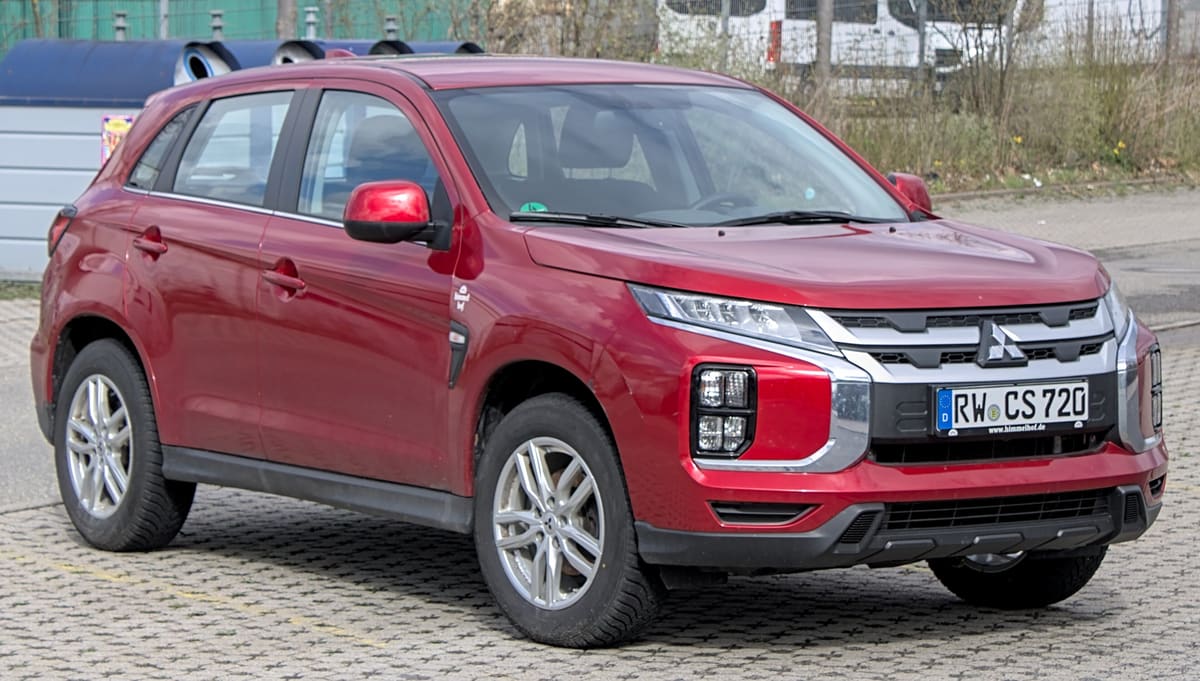
The Mitsubishi ASX is generally regarded as a reliable compact SUV, but it does have its share of common problems. Owners have reported issues related to the electrical system, engine performance, suspension, and transmission.
Electrical System Issues
One of the most frequently reported problems with the Mitsubishi ASX pertains to its electrical system. Owners have encountered issues with the battery, alternator, and various electronic components. Symptoms often include dashboard warning lights, difficulty starting the vehicle, or malfunctioning infotainment systems.
The battery may fail prematurely, particularly in older models, leading to starting issues. Additionally, the alternator can sometimes struggle to keep the battery charged, especially if the vehicle is used for short trips. Owners should also be aware of potential faults in the wiring harness, which can cause intermittent electrical failures.
Engine Performance Problems
Engine performance issues are another common complaint among ASX owners. Problems can range from poor fuel economy to more serious concerns like engine misfires or unusual noises. These issues may stem from various factors, including faulty sensors or fuel delivery problems.
One frequent issue is related to the fuel injectors, which can become clogged or fail over time. This can lead to reduced engine efficiency and increased emissions. Additionally, some owners have reported problems with the timing chain, which can cause significant engine damage if not addressed promptly.
Suspension and Steering Concerns
Suspension and steering problems are also prevalent in the Mitsubishi ASX. Drivers have reported issues such as excessive noise from the suspension system, uneven tyre wear, and a vague steering feel. These symptoms can indicate worn components or misalignment.
Worn shock absorbers or struts can lead to a bumpy ride and reduced handling capabilities. Furthermore, issues with the steering rack or power steering pump can result in difficulty steering or a lack of responsiveness. Regular maintenance and inspections can help identify these problems early.
Transmission Troubles
Transmission issues can be a concern for some Mitsubishi ASX owners. Problems may manifest as rough shifting, slipping gears, or unusual noises when the vehicle is in motion. These symptoms can indicate a need for transmission fluid changes or more serious mechanical repairs.
In some cases, the continuously variable transmission (CVT) used in certain ASX models may develop faults, leading to a less than smooth driving experience. Regularly checking and replacing transmission fluid can help prolong the life of the transmission and prevent major issues.
Brake System Failures
The brake system is crucial for safety, and some ASX owners have reported issues related to braking performance. Common problems include squeaking or grinding noises, a spongy brake pedal, or warning lights on the dashboard. These symptoms can indicate worn brake pads or issues with the brake fluid.
Brake pads typically need replacing every 20,000 to 40,000 miles, depending on driving habits. Additionally, the brake discs can become warped or worn, leading to reduced stopping power. Regular inspections of the brake system can help maintain optimal performance and safety.
Interior and Comfort Problems
While not as critical as mechanical issues, interior and comfort problems can affect the overall ownership experience of the Mitsubishi ASX. Owners have reported issues such as faulty air conditioning, rattling noises from the dashboard, and problems with seat adjustments.
Air conditioning failures can often be traced back to refrigerant leaks or faulty compressors. Rattling noises may be due to loose trim or components within the cabin. Ensuring that all interior features are functioning properly can enhance the driving experience and comfort of the ASX.
Mitsubishi ASX recall record
13 recalls have been issued for the Mitsubishi ASX, between 2012 and 2024.
Mitsubishi ASX Exhaust
R/2024/416Issued 2 December 2024
On affected vehicles a crack may occur at the welded joint of rear muffler to tail pipe resulting in potential detachment of the tail pipe.
Remedy:Replace muffler with a muffler fitted with a reinforcement bracket.
Affects cars built Jan 2011 to Dec 2019
INAPPROPRIATE ECU PROGRAM FOR THE BATTERY DETERIORATION JUDGMENT (STATE OF CHARGE)
R/2018/347Issued 8 January 2019
Inappropriate ECU program for battery deterioration judgement.
Remedy:Reprogram the software with the countermeasure software.
Affects cars built Jun 2010 to Sept 2011
THE BRAKE HYDRAULIC UNIT FUNCTION MAY BE INTERRUPTED
R/2018/285Issued 3 November 2018
Driver assist programme functions through the hydraulic brake unit may be interrupted.
Remedy:The ECU will be rewritten with modified software.
Affects cars built Sept 2017 to Mar 2018
WHERE TAIL PIPE IS WELDED TO THE EXHAUST SILENCER A CRACK MAY APPEAR
R/2018/247Issued 12 October 2018
Exhaust tailpipe section may crack at silencer weld.
Remedy:Check and replace silencer if cracked. Fit support bracket if not cracked.
Affects cars built Jun 2010 to Oct 2017
9 older recalls not shown.
A recall applies to a build range, not to every car of this model. Check a registration to see whether one specific vehicle has an outstanding recall.
Mitsubishi ASX MOT record
From 28,531 recorded MOT tests, 21.7% failed.
| Registered | Tests | Failed | Median mileage |
|---|---|---|---|
| 2021 | 497 | 7.4% | 32,440 mi |
| 2020 | 1,467 | 7.8% | 33,139 mi |
| 2019 | 1,581 | 8.5% | 39,628 mi |
| 2018 | 2,173 | 13.0% | 49,637 mi |
| 2017 | 3,941 | 17.8% | 58,821 mi |
| 2016 | 3,153 | 18.5% | 68,000 mi |
| 2015 | 4,434 | 21.8% | 76,540 mi |
| 2014 | 3,641 | 27.8% | 86,008 mi |
Most common reasons for failure
- Brake pipe damaged or excessively corroded25.3%
- Tyre tread depth not in accordance with the requirements24.6%
- A suspension pin, bush or joint excessively worn20.9%
- a brake lining or pad worn below 1.5mm17.1%
- Brake disc or drum excessively weakened, insecure or fractured12.2%
Figures cover every Mitsubishi ASX tested in the DVSA dataset, not this specific car. Check a registration for the actual history of one vehicle.
Frequently asked questions
What are the most common issues with the Mitsubishi ASX?
Common issues with the Mitsubishi ASX include problems with the engine, transmission, and electrical systems. Some owners have reported issues with the air conditioning and suspension as well.
How reliable is the Mitsubishi ASX?
The Mitsubishi ASX generally has a good reputation for reliability, but like any vehicle, it can experience problems. Regular maintenance and servicing can help prevent many common issues.
Are there any known electrical problems with the ASX?
Yes, some Mitsubishi ASX owners have reported electrical issues, such as problems with the battery and alternator. It's advisable to check the electrical system during a vehicle inspection.
What should I look for when buying a used Mitsubishi ASX?
When buying a used Mitsubishi ASX, check for service history, signs of wear and tear, and any warning lights on the dashboard. It's also wise to take it for a test drive to assess its performance.
Is the Mitsubishi ASX prone to rust?
While the Mitsubishi ASX is not particularly known for rust issues, it can still occur, especially in older models or those exposed to harsh conditions. Inspect the bodywork and undercarriage for any signs of corrosion.
How can I prevent common problems with my ASX?
Regular maintenance, including oil changes and inspections, can help prevent common problems with your ASX. Keeping an eye on warning lights and addressing issues promptly is also important.
What are the signs of transmission problems in the ASX?
Signs of transmission problems in the Mitsubishi ASX may include slipping gears, unusual noises, or difficulty shifting. If you notice any of these symptoms, it's best to have it checked by a professional.
Sources
- DVSA anonymised MOT tests and results (Open Government Licence v3.0)
- DVSA vehicle safety recalls (Open Government Licence v3.0)