Running costs
Land Rover Range Rover running costs: what UK ownership really costs
Land Rover Range Rover UK running costs: fuel or electric, insurance group, road tax, servicing and depreciation.
Updated 4th September 2026 DVSA data: Across 86,405 recorded MOT tests, 17.9% failed.
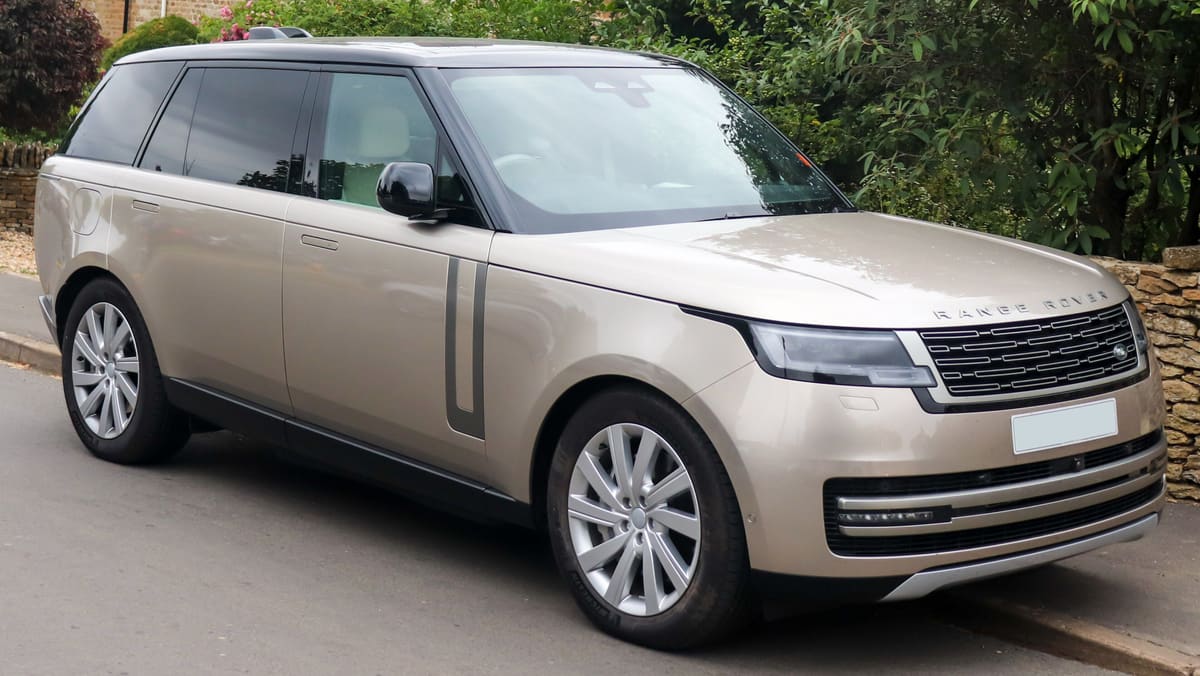
The running costs of a Land Rover Range Rover can be significant, with factors such as fuel consumption, insurance, tax, servicing, and depreciation all contributing to the total ownership cost. Generally, owners should expect to spend a considerable amount on fuel, insurance premiums, and regular maintenance, alongside the vehicle’s depreciation over time.
Fuel Costs
Fuel costs for the Land Rover Range Rover vary depending on the engine choice. Diesel engines typically offer better fuel economy than petrol variants. Given the current fuel prices, owners can expect to spend a substantial amount on fuel annually, especially if driving long distances or in urban areas where consumption may increase.
The choice between diesel and petrol can significantly impact running costs. Diesel engines tend to be more efficient for longer journeys, while petrol engines may be more suitable for shorter trips. Additionally, hybrid and electric variants are available, offering lower running costs and reduced emissions, appealing to those looking to minimise fuel expenses.
Insurance Group
The insurance group for a Land Rover Range Rover can be relatively high, reflecting its luxury status and repair costs. Most models fall within groups 40 to 50, which means insurance premiums can be steep.
When selecting a Range Rover, it is advisable to obtain insurance quotes for different models to understand the financial implications. Some models may come with additional safety features that could lower insurance premiums, making them more appealing for budget-conscious buyers.
Tax Band
The tax band for a Land Rover Range Rover is influenced by its CO2 emissions. The exact cost depends on the engine size and emissions rating, with newer, more efficient models generally incurring lower taxes.
It is essential for potential buyers to consider the tax implications when choosing a model. Opting for a more environmentally friendly variant can lead to significant savings in road tax, making it a worthwhile consideration for those looking to reduce overall ownership costs.
Servicing Intervals
Servicing intervals for the Land Rover Range Rover are typically every 12 months or 16,000 miles, whichever comes first. Regular maintenance is crucial to ensure the vehicle remains in good condition, and costs can vary significantly based on the type of service required.
Owners should also factor in additional costs for parts and labour, especially if the vehicle is out of warranty. Using an authorised Land Rover dealer for servicing can provide peace of mind but may come at a premium compared to independent garages. Regular servicing not only helps maintain performance but can also positively impact resale value.
Typical Depreciation
Depreciation is a significant factor in the total ownership cost of a Land Rover Range Rover. On average, these vehicles can lose around 50-60% of their value within the first five years. This depreciation rate is relatively standard for luxury SUVs but can be higher for certain models or configurations.
To mitigate depreciation, buyers may consider purchasing a nearly new model or one with a good service history. Additionally, limited edition models or those with unique features may retain their value better than standard variants. Understanding the depreciation trends can help buyers make informed decisions and potentially save money in the long run.
Conclusion
Owning a Land Rover Range Rover comes with considerable running costs, encompassing fuel, insurance, tax, servicing, and depreciation. By understanding these factors, potential buyers can better prepare for the financial commitments associated with this luxury vehicle. Careful consideration of model choice, maintenance, and usage can help manage these costs effectively.
Land Rover Range Rover recall record
67 recalls have been issued for the Land Rover Range Rover, between 1993 and 2026.
Range Rover (L405) Front Suspension Knuckle Crack – Incorrect Repair
R/2026/329Issued 25 August 2026
For affected vehicles the repair procedure for a prior safety recall was incorrect. As a result the front suspension knuckles have been replaced with those of an incorrect specification.
Remedy:Vehicles will have both front suspension knuckles replaced.
Affects cars built Nov 2015 to Jul 2017
AJ20-D6 Idler Pulley Clash
R/2026/241Issued 26 June 2026
A concern has been identified on certain AJ20-D6 engines where the Front End Auxiliary Drive (FEAD) belt idler pulley may over-rotate following a high torsion input and lead to a clash with and damage to the oil pressure and temperature sensor. A damaged oil pressure and temperature sensor can lead to an oil leak from the engine which can result in a slip hazard for following road users particularly two-wheeled vehicles.
Remedy:Vehicles will have the Front-End Auxiliary Drive (FEAD) idler pulley replaced.
Affects cars built Jan 2024 to Dec 2024
Driver’s Airbag Potential Non-Deployment
R/2026/245Issued 19 June 2026
A concern has been identified where the connector to the driver’s airbag at the clockspring may experience fretting corrosion over time. This can lead to an increased resistance in the driver’s airbag circuit potentially resulting in the airbag failing to deploy when requested to do so. An airbag which fails to deploy as-intended will increase the risk of injury in the event of a crash.
Remedy:Vehicles will have a protective lubricant gel applied to the driver’s airbag connector terminals.
Affects cars built Sept 2020 to Jun 2026
Range Rover Range Rover Sport and Range Rover Velar Audio Amplifier Water Damage
R/2026/198Issued 27 May 2026
A concern has been identified on certain 2026 model year Range Rover Range Rover Sport and Range Rover Velar vehicles where the audio amplifiers may have been subject to water damage and may not provide any audio output including no seat belt reminder audible warnings to the driver. A seat belt reminder audible warning chime that does not alert of an unlatched seat belt can increase the risk of occupant injury in the event of a crash.
Remedy:Affected vehicles will have the audio amplifier replaced.
Affects cars built Feb 2026 to Feb 2026
63 older recalls not shown.
A recall applies to a build range, not to every car of this model. Check a registration to see whether one specific vehicle has an outstanding recall.
Land Rover Range Rover MOT record
From 86,405 recorded MOT tests, 17.9% failed.
| Registered | Tests | Failed | Median mileage |
|---|---|---|---|
| 2023 | 394 | 5.6% | 25,684 mi |
| 2022 | 4,725 | 8.7% | 27,816 mi |
| 2021 | 3,136 | 8.6% | 37,552 mi |
| 2020 | 3,469 | 9.2% | 44,822 mi |
| 2019 | 4,681 | 10.2% | 53,320 mi |
| 2018 | 5,174 | 10.3% | 61,918 mi |
| 2017 | 5,262 | 14.2% | 72,304 mi |
| 2016 | 5,288 | 16.7% | 79,782 mi |
Most common reasons for failure
- A suspension pin, bush or joint excessively worn33.5%
- Tyre tread depth not in accordance with the requirements19.4%
- Brake pipe damaged or excessively corroded18.9%
- A tyre seriously damaged15.7%
- a brake lining or pad worn below 1.5mm12.5%
Figures cover every Land Rover Range Rover tested in the DVSA dataset, not this specific car. Check a registration for the actual history of one vehicle.
Frequently asked questions
What are the typical fuel costs for a Range Rover?
Fuel costs for a Range Rover can vary significantly based on the model and engine type. For instance, the 2021 Range Rover with a 3.0-litre diesel engine averages around 30 mpg, which translates to higher fuel expenses compared to smaller vehicles.
How often does a Range Rover need servicing?
A Range Rover typically requires servicing every 12 months or 16,000 miles, whichever comes first. Regular maintenance includes oil changes, brake checks, and inspections of the air suspension system, which can be costly if neglected.
What is the cost of replacing a Range Rover's air suspension?
Replacing the air suspension on a Range Rover can be quite expensive, often costing several thousand pounds. Symptoms of failure include a sagging rear end or warning lights on the dashboard, indicating the need for immediate attention.
Are there any specific tax implications for owning a Range Rover?
Yes, the tax band for a Range Rover can vary by model year and engine size. For example, the 2022 Range Rover with a 3.0-litre petrol engine falls into a higher tax bracket, which can significantly impact annual road tax costs.
What are the insurance costs like for a Range Rover?
Insurance costs for a Range Rover can be on the higher side due to its luxury status and repair costs. Factors such as the model year and your driving history will influence the premium, but expect to pay more than average compared to standard vehicles.
How reliable is the Range Rover in terms of running costs?
Reliability can be a concern with Range Rovers, particularly older models. Issues with the transmission or electrical systems can lead to unexpected repair costs. Regular checks and maintenance can help mitigate these risks and keep running costs manageable.
What are the common maintenance tasks for a Range Rover?
Common maintenance tasks include oil changes, brake pad replacements, and checking the battery health. The 2018 Range Rover often requires attention to the infotainment system, which can be prone to software glitches, necessitating updates or repairs.
Sources
- DVSA anonymised MOT tests and results (Open Government Licence v3.0)
- DVSA vehicle safety recalls (Open Government Licence v3.0)