MOT failure rates
Land Rover Range Rover MOT failure rates: what to expect
What fails on a Land Rover Range Rover at MOT, how often, and what each fix typically costs.
Updated 4th September 2026 DVSA data: Across 86,405 recorded MOT tests, 17.9% failed.
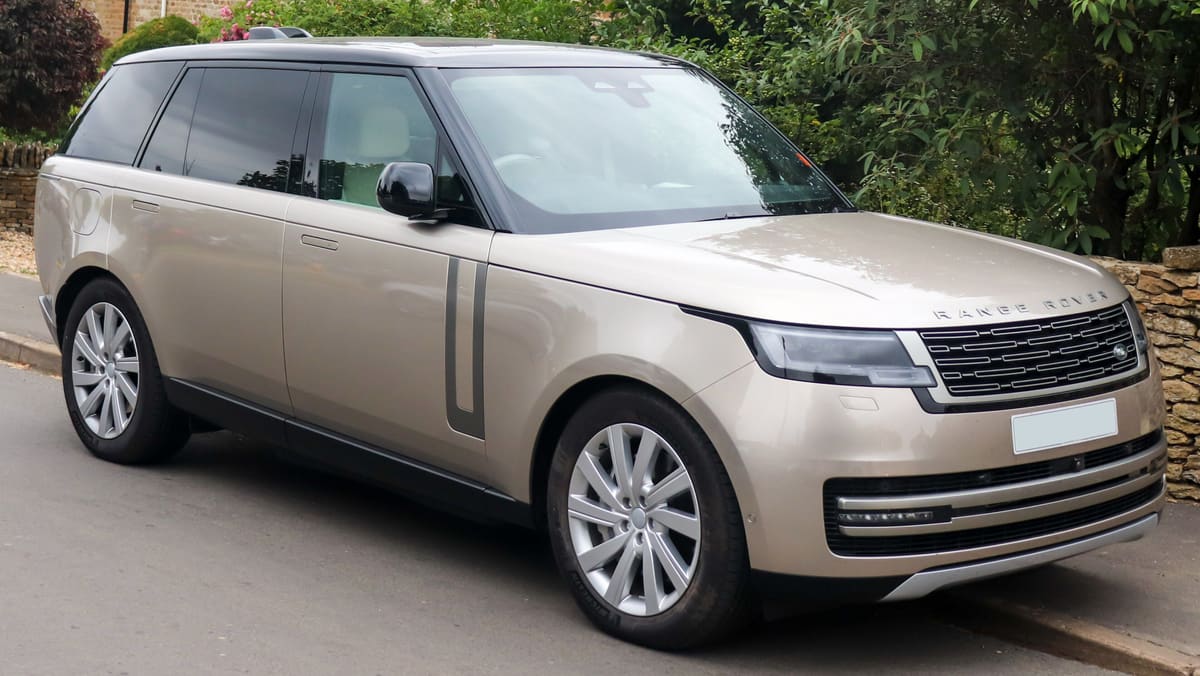
The Land Rover Range Rover is a popular luxury SUV, but like any vehicle, it can face issues during its MOT. Common failures include suspension problems, electrical faults, and brake system issues. Fixing these can vary in cost, but understanding the typical problems can help you prepare for your MOT.
Suspension Issues
Suspension problems are a frequent cause of MOT failures for the Range Rover. Components such as the air suspension system can develop faults, leading to uneven ride height or a bumpy ride. Common issues include worn-out air springs or leaking air lines.
Regular checks and maintenance can help prevent these problems, ensuring a smoother ride and better handling.
Electrical Faults
Electrical faults are another common reason for MOT failures in the Range Rover. Issues can arise with the vehicle’s lighting system, dashboard warning lights, or even the battery. Problems such as blown bulbs or faulty wiring can lead to an automatic fail.
Fixing electrical issues can vary significantly in cost. Regularly checking all electrical components can help catch problems early and avoid costly repairs.
Brake System Problems
The brake system is critical for safety, and any issues here can lead to an MOT failure. Common problems include worn brake pads, damaged discs, or fluid leaks. The Range Rover’s weight can exacerbate wear on these components, making regular inspections essential.
Ensuring that your brakes are in good condition not only helps pass the MOT but also keeps you safe on the road.
Tyre Condition
Tyres are a vital part of vehicle safety and are closely inspected during the MOT. Common issues include tread wear below the legal limit, sidewall damage, or incorrect tyre pressures. The Range Rover, being a larger vehicle, can experience uneven wear if not regularly rotated and maintained.
Regular checks of tyre pressure and tread depth can help ensure that your vehicle remains roadworthy and passes its MOT.
Exhaust Emissions
Exhaust emissions are a key focus during the MOT test, and the Range Rover can sometimes struggle to meet the required standards. Common causes of high emissions include a faulty catalytic converter or issues with the engine management system.
Keeping up with regular servicing and addressing engine issues promptly can help maintain lower emissions and ensure compliance during the MOT.
Steering and Alignment Problems
Steering and alignment issues can also lead to MOT failures for the Range Rover. Problems may arise from worn steering components or misalignment due to hitting potholes or kerbs. Symptoms can include uneven tyre wear or difficulty in steering.
Regular alignment checks can help prevent these issues and ensure that your vehicle handles properly, both for safety and MOT compliance.
Land Rover Range Rover recall record
67 recalls have been issued for the Land Rover Range Rover, between 1993 and 2026.
Range Rover (L405) Front Suspension Knuckle Crack – Incorrect Repair
R/2026/329Issued 25 August 2026
For affected vehicles the repair procedure for a prior safety recall was incorrect. As a result the front suspension knuckles have been replaced with those of an incorrect specification.
Remedy:Vehicles will have both front suspension knuckles replaced.
Affects cars built Nov 2015 to Jul 2017
AJ20-D6 Idler Pulley Clash
R/2026/241Issued 26 June 2026
A concern has been identified on certain AJ20-D6 engines where the Front End Auxiliary Drive (FEAD) belt idler pulley may over-rotate following a high torsion input and lead to a clash with and damage to the oil pressure and temperature sensor. A damaged oil pressure and temperature sensor can lead to an oil leak from the engine which can result in a slip hazard for following road users particularly two-wheeled vehicles.
Remedy:Vehicles will have the Front-End Auxiliary Drive (FEAD) idler pulley replaced.
Affects cars built Jan 2024 to Dec 2024
Driver’s Airbag Potential Non-Deployment
R/2026/245Issued 19 June 2026
A concern has been identified where the connector to the driver’s airbag at the clockspring may experience fretting corrosion over time. This can lead to an increased resistance in the driver’s airbag circuit potentially resulting in the airbag failing to deploy when requested to do so. An airbag which fails to deploy as-intended will increase the risk of injury in the event of a crash.
Remedy:Vehicles will have a protective lubricant gel applied to the driver’s airbag connector terminals.
Affects cars built Sept 2020 to Jun 2026
Range Rover Range Rover Sport and Range Rover Velar Audio Amplifier Water Damage
R/2026/198Issued 27 May 2026
A concern has been identified on certain 2026 model year Range Rover Range Rover Sport and Range Rover Velar vehicles where the audio amplifiers may have been subject to water damage and may not provide any audio output including no seat belt reminder audible warnings to the driver. A seat belt reminder audible warning chime that does not alert of an unlatched seat belt can increase the risk of occupant injury in the event of a crash.
Remedy:Affected vehicles will have the audio amplifier replaced.
Affects cars built Feb 2026 to Feb 2026
63 older recalls not shown.
A recall applies to a build range, not to every car of this model. Check a registration to see whether one specific vehicle has an outstanding recall.
Land Rover Range Rover MOT record
From 86,405 recorded MOT tests, 17.9% failed.
| Registered | Tests | Failed | Median mileage |
|---|---|---|---|
| 2023 | 394 | 5.6% | 25,684 mi |
| 2022 | 4,725 | 8.7% | 27,816 mi |
| 2021 | 3,136 | 8.6% | 37,552 mi |
| 2020 | 3,469 | 9.2% | 44,822 mi |
| 2019 | 4,681 | 10.2% | 53,320 mi |
| 2018 | 5,174 | 10.3% | 61,918 mi |
| 2017 | 5,262 | 14.2% | 72,304 mi |
| 2016 | 5,288 | 16.7% | 79,782 mi |
Most common reasons for failure
- A suspension pin, bush or joint excessively worn33.5%
- Tyre tread depth not in accordance with the requirements19.4%
- Brake pipe damaged or excessively corroded18.9%
- A tyre seriously damaged15.7%
- a brake lining or pad worn below 1.5mm12.5%
Figures cover every Land Rover Range Rover tested in the DVSA dataset, not this specific car. Check a registration for the actual history of one vehicle.
Frequently asked questions
What is an MOT for a Land Rover Range Rover?
An MOT is a mandatory annual test that checks the safety, roadworthiness, and emissions of your Land Rover Range Rover. It ensures that your vehicle meets the legal standards required to be on the road.
How often does my Land Rover Range Rover need an MOT?
Your Land Rover Range Rover needs an MOT test every 12 months once it is three years old. It is important to keep track of the expiry date to avoid fines.
What are common reasons for failing a Land Rover Range Rover MOT?
Common reasons for failing an MOT include issues with brakes, lights, tyres, and emissions. Regular maintenance can help prevent these problems.
Can I drive my Land Rover Range Rover if it has failed the MOT?
You cannot legally drive your Land Rover Range Rover if it has failed the MOT, unless you are driving it to a garage for repairs. Otherwise, you should not use the vehicle until it passes the test.
How can I prepare my Land Rover Range Rover for its MOT?
To prepare for the MOT, check the lights, tyres, and brakes, and ensure all fluids are topped up. It is also wise to have a professional inspection to identify any potential issues.
What should I do if my Land Rover Range Rover is due for an MOT?
If your Land Rover Range Rover is due for an MOT, book an appointment with an authorised testing centre. Make sure to allow enough time for any necessary repairs before the test.
How can I check the MOT history of a Land Rover Range Rover?
You can check the MOT history of a Land Rover Range Rover by visiting the official UK government website. You will need the vehicle registration number to access the details.
What happens if I miss my Land Rover Range Rover's MOT renewal date?
If you miss the MOT renewal date, you cannot legally drive your Land Rover Range Rover until it has passed the test. You may also face fines or penalties for driving without a valid MOT.
Sources
- DVSA anonymised MOT tests and results (Open Government Licence v3.0)
- DVSA vehicle safety recalls (Open Government Licence v3.0)