Running costs
Hyundai i30 running costs: what UK ownership really costs
Hyundai i30 UK running costs: fuel or electric, insurance group, road tax, servicing and depreciation.
Updated 4th September 2026 DVSA data: Across 101,380 recorded MOT tests, 28.6% failed.
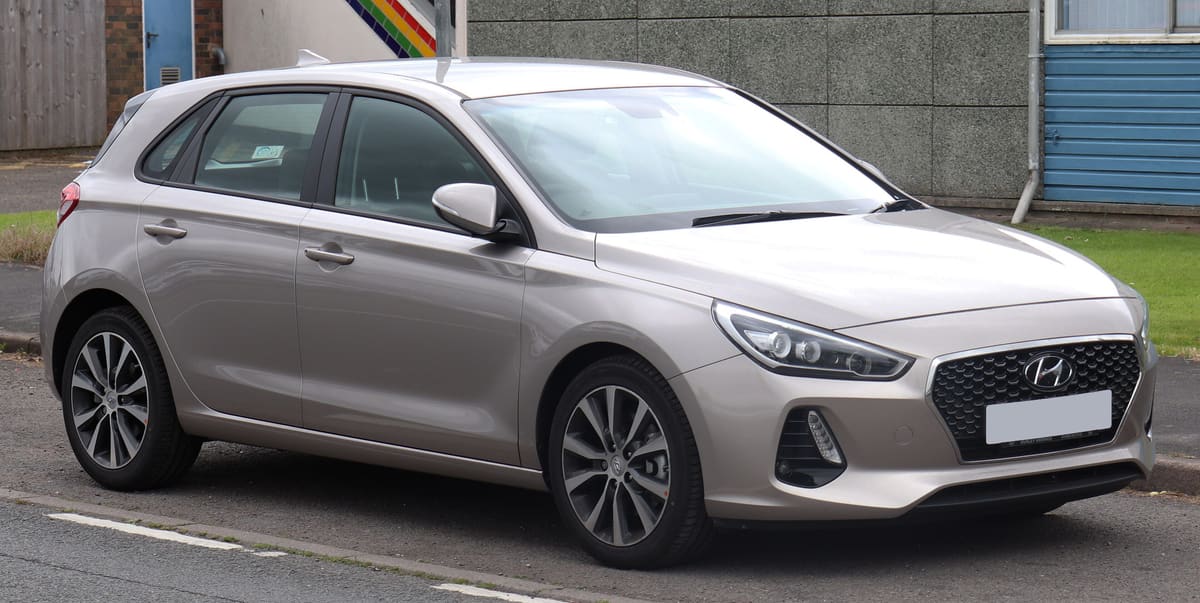
The Hyundai i30 offers competitive running costs, making it an appealing choice for budget-conscious drivers. Fuel efficiency varies by model, with diesel versions providing better mileage. Insurance groups are generally low, and tax bands are reasonable. Servicing intervals are manageable, and depreciation is moderate, ensuring overall affordability.
Fuel and Electric Costs
The Hyundai i30 is available in petrol and diesel variants, with fuel efficiency varying between models. For electric models, the cost per mile is significantly lower, with charging prices depending on the electricity provider and charging method.
When considering fuel costs, it is essential to factor in the driving style and conditions. Urban driving may yield lower mpg figures compared to motorway cruising. Additionally, the i30’s smaller engine sizes contribute to lower fuel consumption, making it an economical choice for daily commutes and longer journeys alike.
Insurance Group
Insurance groups for the Hyundai i30 typically range from group 10 to 20, depending on the specific model and trim level. This range places the i30 in a relatively affordable insurance bracket compared to other vehicles in its class. Lower insurance groups often correlate with less powerful engines and fewer luxury features, which can help keep premiums down.
When selecting a model, it is wise to consider the insurance group as part of the total ownership costs. Younger drivers or those with less driving experience may find the lower groups particularly beneficial, as premiums can be significantly reduced. Additionally, many insurers offer discounts for drivers who complete advanced driving courses, which can further lower costs.
Tax Band
The Hyundai i30 falls into various tax bands based on its CO2 emissions, which can influence annual road tax costs. Generally, petrol models emit between 120-150 g/km of CO2, placing them in lower tax brackets. Diesel variants may have slightly higher emissions, but the i30 still remains competitive in terms of tax costs.
The annual road tax can vary significantly depending on the specific model and its emissions. It is advisable to check the exact figures for the chosen model to accurately estimate the annual costs. Additionally, opting for a model with lower emissions can not only reduce tax costs but also contribute to a greener driving experience.
Servicing Intervals
This regular maintenance schedule helps keep the vehicle in optimal condition and can prevent more significant issues down the line. The cost of servicing can vary depending on the garage and the specific work required, but Hyundai vehicles are generally known for their affordability in this regard.
Routine maintenance includes oil changes, filter replacements, and brake inspections, which are essential for the longevity of the vehicle. Many owners find that sticking to the recommended service intervals helps maintain the vehicle’s resale value. Additionally, Hyundai offers a five-year warranty on new models, which can cover some servicing costs during the initial ownership period.
Typical Depreciation
Depreciation rates for the Hyundai i30 are moderate compared to other vehicles in its class. Typically, a new i30 can lose around 40-50% of its value within the first three years. However, the brand’s reputation for reliability and quality can help mitigate depreciation, making it a solid investment for buyers.
Factors influencing depreciation include model popularity, condition, mileage, and market trends. The i30’s strong resale value can be attributed to its practicality, fuel efficiency, and low running costs. Buyers looking for a used model may find that the i30 offers excellent value for money, especially in the second-hand market where depreciation has already taken place.
Conclusion
Overall, the Hyundai i30 presents an attractive option for those seeking a vehicle with low running costs. With competitive fuel efficiency, reasonable insurance groups, manageable tax bands, regular servicing intervals, and moderate depreciation, it stands out as a practical choice for UK drivers. Whether for daily commuting or family use, the i30 combines affordability with reliability, making it a sensible investment.
Hyundai i30 recall record
9 recalls have been issued for the Hyundai i30, between 2013 and 2025.
Driver-side Airbag (DAB) Inflator may not deploy as intended
R/2025/456Issued 17 November 2025
Driver-side Airbag (DAB) Inflator may not deploy as intended. This may result in a component entering into the vehicle occupant compartment.
Remedy:The DAB Inflator will be replaced.
Affects cars built Oct 2008 to Jun 2009
THE SUBJECT VEHICLES MAY EXPERIENCE ABNORMAL PERFORMANCE OF THE FRONT RIGHT HAND SEATBELT PRETENSIONER DURING DEPLOYMENT
R/2022/164Issued 27 June 2022
The subject vehicles may experience abnormal performance of the front right hand seatbelt pretensioner during deployment.
Remedy:Replace the front right hand seatbelt assembly with a countermeasure part.
Affects cars built May 2020 to Oct 2020
INDIRECT TYRE PRESSURE MONITORING SYSTEMS MAY NOT COMPLY WITH EUROPEAN REGULATIONS
R/2021/261Issued 16 August 2021
Indirect tyre pressure monitoring systems may not comply with European regulations.
Remedy:Software update applied to the electronic stability program.
Affects cars built Jun 2020 to Sept 2021
IF MOISTURE ENTERS THE ABS MODULE IT COULD CAUSE AN ELECTRICAL SHORT
R/2020/059Issued 1 June 2020
When the vehicle is turned off if moisture enters the ABS module it could cause an electrical short.
Remedy:Affected vehicles will have a relay installed in the main fuse box to prevent power going to the ABS module when the ignition key is in the off position.
Affects cars built Nov 2006 to Dec 2010
5 older recalls not shown.
A recall applies to a build range, not to every car of this model. Check a registration to see whether one specific vehicle has an outstanding recall.
Hyundai i30 MOT record
From 101,380 recorded MOT tests, 28.6% failed.
| Registered | Tests | Failed | Median mileage |
|---|---|---|---|
| 2022 | 1,393 | 8.4% | 23,773 mi |
| 2021 | 1,753 | 11.2% | 32,035 mi |
| 2020 | 1,554 | 10.8% | 37,282 mi |
| 2019 | 4,100 | 11.4% | 41,807 mi |
| 2018 | 7,251 | 14.2% | 53,235 mi |
| 2017 | 6,652 | 15.8% | 60,306 mi |
| 2016 | 9,358 | 23.9% | 69,175 mi |
| 2015 | 13,401 | 25.2% | 76,696 mi |
Most common reasons for failure
- Tyre tread depth not in accordance with the requirements29.5%
- A suspension pin, bush or joint excessively worn28.0%
- A suspension component excessively damaged or corroded14.3%
- A tyre seriously damaged14.3%
- Brake disc or drum excessively weakened, insecure or fractured13.8%
Figures cover every Hyundai i30 tested in the DVSA dataset, not this specific car. Check a registration for the actual history of one vehicle.
Hyundai i30 official figures
Median across 18 variants on sale, petrol, petrol electric.
- Combined economy
- 48.3 mpg
- WLTP median across variants
- CO2 emissions
- 131 g/km
- Sets the first-year tax rate
Official figures for new cars. Real economy varies with driving, load and conditions.
Frequently asked questions
How often does the Hyundai i30 need servicing?
Hyundai recommends servicing the i30 every 12 months or 10,000 miles, whichever comes first. Regular maintenance includes oil changes, air filter replacements, and checks on the brake system, which are crucial for keeping running costs down.
What is the road tax band for a Hyundai i30?
The road tax band for a Hyundai i30 varies by engine size and emissions. For example, the 2019 model with a 1.5-litre petrol engine typically falls into Band D, which incurs an annual tax fee based on CO2 emissions.
Are there any common repairs needed for the Hyundai i30?
Owners may find that the brake pads and discs require replacement every 30,000 to 40,000 miles, depending on driving habits. Additionally, some models may experience issues with the clutch, particularly in manual versions, which can lead to costly repairs.
What insurance group does the Hyundai i30 belong to?
The Hyundai i30 generally falls into insurance groups ranging from 10 to 20, depending on the model and specifications. For example, the 2018 i30 N is in a higher group due to its performance features, which can affect insurance premiums.
How reliable is the Hyundai i30 in terms of running costs?
The Hyundai i30 is known for its reliability, which can help keep running costs low. Many owners report minimal issues with the engine and transmission, especially in models from 2017 onwards, making it a solid choice for budget-conscious drivers.
Sources
- DVSA anonymised MOT tests and results (Open Government Licence v3.0)
- VCA new car fuel consumption and emissions data (Open Government Licence v3.0)
- DVSA vehicle safety recalls (Open Government Licence v3.0)