Running costs
Honda Jazz running costs: what UK ownership really costs
Honda Jazz UK running costs: fuel or electric, insurance group, road tax, servicing and depreciation.
Updated 4th September 2026 DVSA data: Across 336,171 recorded MOT tests, 19.4% failed.
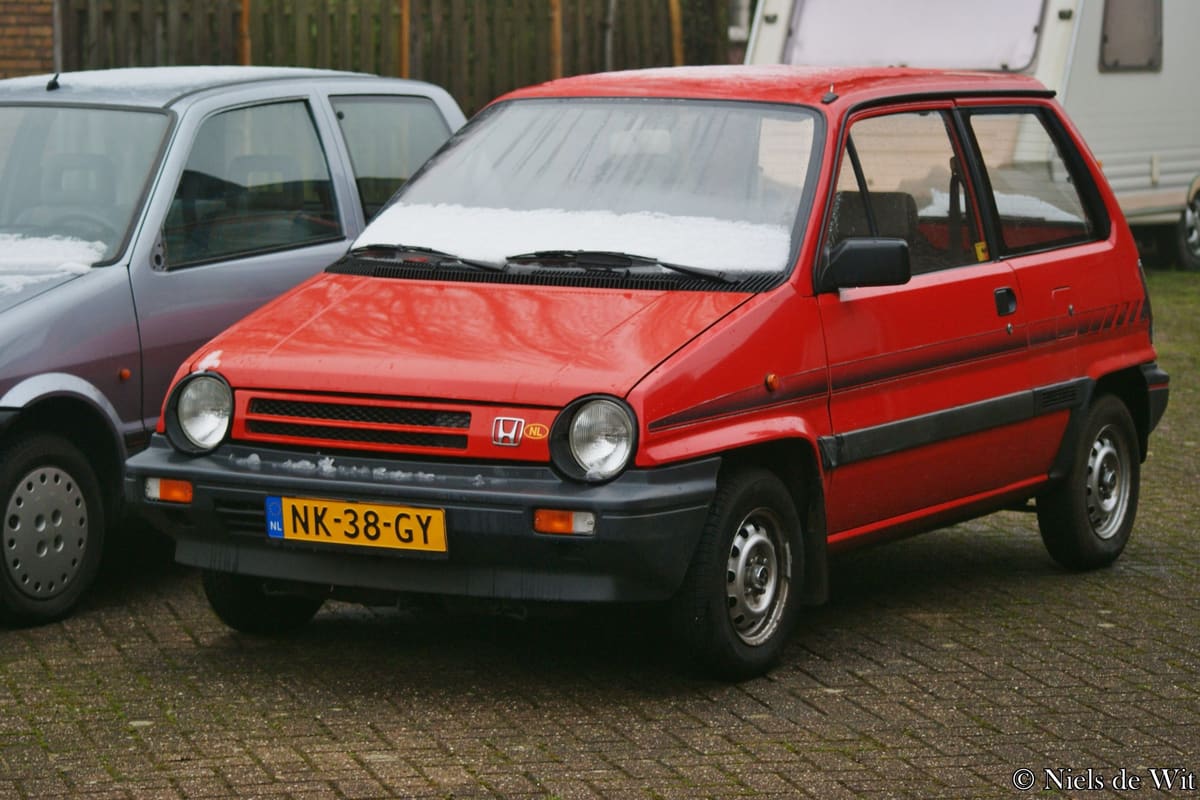
The Honda Jazz is known for its economical running costs, making it an appealing choice for budget-conscious drivers. Fuel efficiency is impressive, insurance costs are reasonable, and servicing intervals are manageable. Overall, the Jazz offers a low total ownership cost, making it a practical option for many UK motorists.
Fuel and Electric Costs
The Honda Jazz is available with both petrol and hybrid powertrains, providing excellent fuel efficiency. This makes the Jazz an economical choice for daily commuting and longer journeys alike.
For electric costs, the hybrid model uses a combination of petrol and electric power, which can significantly reduce fuel expenses. Charging costs for fully electric vehicles can vary, but the Jazz hybrid’s efficiency helps keep overall running costs low. Owners can expect to spend less on fuel compared to larger vehicles, making it a budget-friendly option.
Insurance Group
The Honda Jazz falls into relatively low insurance groups, usually ranging from group 10 to 15 depending on the model and trim level. This makes it an attractive choice for young drivers and those looking to keep insurance premiums manageable.
The lower insurance costs are partly due to the Jazz’s reputation for safety and reliability. With fewer claims associated with the model, insurers often offer competitive rates. It is advisable for potential buyers to compare quotes from different providers to find the best deal for their specific circumstances.
Tax Band
The Honda Jazz typically falls into low tax bands, thanks to its efficient engines. Most petrol models are in tax band A or B, which means annual road tax is minimal. The hybrid version also benefits from low emissions, often qualifying for the lowest tax rates available.
This low tax burden is a significant advantage for owners, as it contributes to the overall affordability of the vehicle. Additionally, lower emissions may provide benefits such as exemption from congestion charges in certain areas, further enhancing the Jazz’s appeal for urban drivers.
Servicing Intervals
Honda recommends servicing the Jazz every 12 months or 12,000 miles, whichever comes first. This regular maintenance schedule helps keep the vehicle in optimal condition and can prevent more significant issues down the line.
Servicing costs for the Jazz are generally reasonable, with many independent garages offering competitive rates. Routine maintenance typically includes oil changes, brake checks, and tyre rotations. Keeping up with servicing not only ensures reliability but can also help maintain the vehicle’s resale value.
Typical Depreciation
The Honda Jazz is known for its strong resale value, with typical depreciation rates being lower than many competitors in the same segment. After three years, a Jazz may retain around 50-60% of its original value, depending on the condition and mileage.
Factors contributing to its strong resale value include its reputation for reliability, low running costs, and practicality. Buyers often seek out used Jazz models, which helps maintain demand and stabilises prices. This makes the Jazz a wise investment for those looking to minimise depreciation costs over time.
Conclusion
Overall, the Honda Jazz stands out as a cost-effective choice for drivers in the UK. With its impressive fuel efficiency, low insurance groups, minimal tax burden, manageable servicing intervals, and strong resale value, it offers a well-rounded ownership experience. Whether for city driving or longer journeys, the Jazz remains a practical and economical option for many motorists.
Honda Jazz recall record
26 recalls have been issued for the Honda Jazz, between 2004 and 2022.
THE FRONT WIDE CAMERA MAY NOT START UP IN THE CORRECT WAY AFTER THE VEHICLE HAS STARTED
R/2022/221Issued 9 August 2022
The front wide camera may not start up in the correct way after the vehicle is started.
Remedy:Change the software in the Front Wide Camera.
Affects cars built Jan 2020 to Jan 2021
VEHICLES MAY BE EQUIPPED WITH A FUEL PUMP MODULE MANUFACTURED WITH LOW DENSITY IMPELLARS
R/2020/186Issued 24 August 2020
Affected vehicles may be equipped with a fuel pump module manufactured with low density impellers.
Remedy:The affected fuel pumps will be replaced.
Affects cars built Jul 2017 to Sept 2019
DUE TO INCORRECT MANUFACTURING THE REAR SEAT BELT ASSEMBLY WEBBING SENSOR COULD BECOME INOPERATIVE
R/2020/194Issued 14 August 2020
The webbing sensor in the rear centre seat belt assembly could become inoperative.
Remedy:Check and if the seat belt is within the affected range the seat belt will be replaced.
Affects cars built Aug 2019 to Sept 2019
POSSIBLE AIR BAG INFLATOR RUPTURE
R/2019/245Issued 29 August 2019
Driver air bag may not deploy correctly.
Remedy:The inflator inside the drivers airbag module is to be replaced.
Affects cars built Dec 2003 to Nov 2011
22 older recalls not shown.
A recall applies to a build range, not to every car of this model. Check a registration to see whether one specific vehicle has an outstanding recall.
Honda Jazz MOT record
From 336,171 recorded MOT tests, 19.4% failed.
| Registered | Tests | Failed | Median mileage |
|---|---|---|---|
| 2023 | 306 | 2.3% | 15,652 mi |
| 2022 | 10,369 | 3.7% | 15,336 mi |
| 2021 | 14,115 | 4.2% | 20,184 mi |
| 2020 | 10,484 | 5.1% | 22,190 mi |
| 2019 | 16,405 | 6.8% | 25,806 mi |
| 2018 | 19,768 | 7.8% | 31,764 mi |
| 2017 | 17,649 | 8.9% | 35,053 mi |
| 2016 | 18,118 | 10.3% | 39,928 mi |
Most common reasons for failure
- A suspension pin, bush or joint excessively worn23.7%
- A tyre seriously damaged23.5%
- Tyre tread depth not in accordance with the requirements20.9%
- a brake lining or pad worn below 1.5mm17.0%
- Brake pipe damaged or excessively corroded14.9%
Figures cover every Honda Jazz tested in the DVSA dataset, not this specific car. Check a registration for the actual history of one vehicle.
Honda Jazz official figures
Median across 25 variants on sale, petrol electric.
- Combined economy
- 60.1 mpg
- WLTP median across variants
- CO2 emissions
- 106 g/km
- Sets the first-year tax rate
Official figures for new cars. Real economy varies with driving, load and conditions.
Frequently asked questions
How often does a Honda Jazz need servicing?
A Honda Jazz typically requires a full service every 12 months or 12,000 miles, whichever comes first. Regular maintenance includes oil changes, air filter replacements, and brake inspections to ensure optimal performance.
What is the road tax band for a Honda Jazz?
The road tax band for a Honda Jazz can vary by model year and engine size. For example, the 2020 model with a 1.3-litre engine falls into Band B, which has a lower annual tax rate due to its low CO2 emissions.
Are there any common repairs needed for the Honda Jazz?
Owners often report needing to replace the front brake pads and discs, especially on models from 2015 onwards. Regular checks can help catch wear early, preventing more costly repairs down the line.
What is the average insurance cost for a Honda Jazz?
Insurance costs for a Honda Jazz typically fall within Group 10 to 14, depending on the model and year. This makes it relatively affordable to insure compared to other vehicles in its class.
How reliable is the Honda Jazz in terms of running costs?
The Honda Jazz is known for its reliability, often requiring fewer repairs than average. Many owners report minimal issues with the CVT transmission, especially in models from 2018 onwards, which contributes to lower running costs.
What are the tyre replacement costs for a Honda Jazz?
Tyre replacement for a Honda Jazz can vary, but many models use 15 to 16-inch tyres. Regularly checking tread depth and pressure can extend tyre life, which is crucial for maintaining fuel efficiency.
Sources
- DVSA anonymised MOT tests and results (Open Government Licence v3.0)
- VCA new car fuel consumption and emissions data (Open Government Licence v3.0)
- DVSA vehicle safety recalls (Open Government Licence v3.0)