Common problems
Ford Ranger common problems and reliability issues
Honest rundown of the most common Ford Ranger faults, what to watch for, and how to keep one running well.
Updated 23rd June 2026 DVSA data: Across 120,895 recorded MOT tests, 22.6% failed.
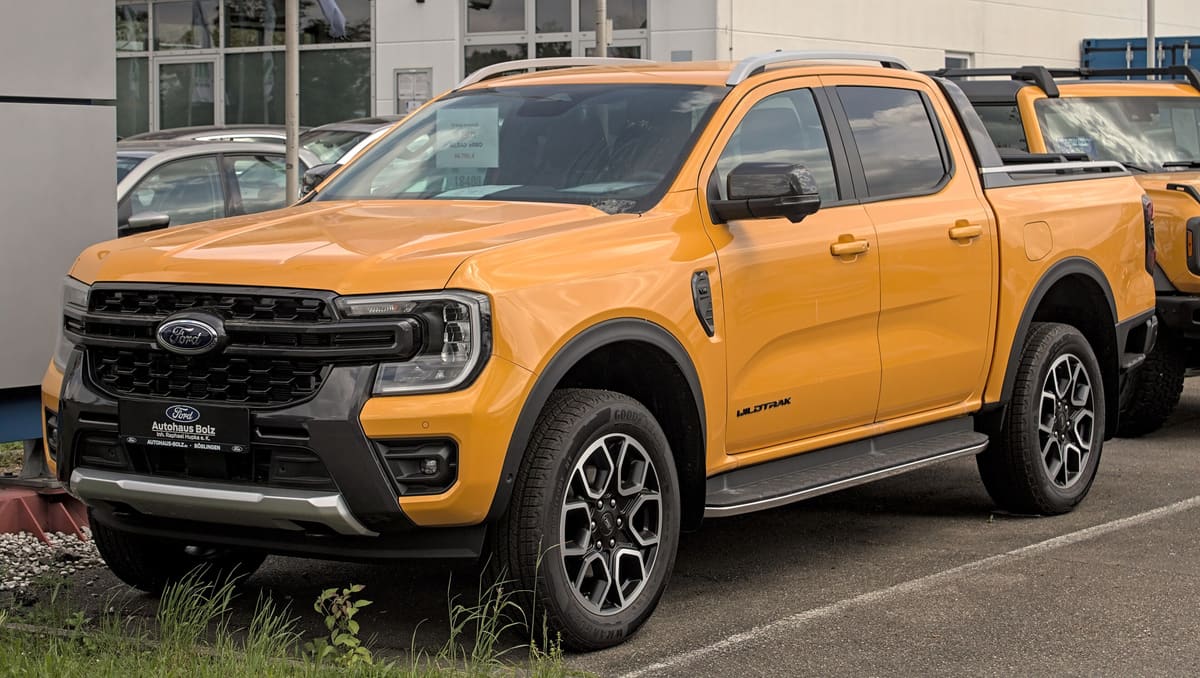
The Ford Ranger is a popular pick-up truck known for its ruggedness and versatility. Common problems with the Ford Ranger include electrical faults, transmission issues, and suspension wear.
Electrical System Issues
Electrical problems are among the most frequently reported issues with the Ford Ranger. Owners have noted issues with the battery draining unexpectedly, which can be attributed to faulty alternators or wiring harnesses. Additionally, problems with the dashboard warning lights can lead to confusion and concern.
The electrical system in the Ranger is complex, and components such as the central locking system and infotainment unit can also experience faults. These issues can often be traced back to poor connections or software glitches. Regular checks and updates can help mitigate some of these problems.
Another common electrical issue involves the headlights. Some owners have reported that the headlights flicker or fail prematurely, which can be frustrating and potentially dangerous. Ensuring that the vehicle’s electrical connections are secure can help prevent these issues.
Transmission Problems
Transmission issues are another area where Ford Ranger owners have reported concerns. Some models, particularly those with automatic transmissions, may experience rough shifting or slipping. This can lead to a decrease in performance and fuel efficiency.
A common cause of transmission problems in the Ranger is low transmission fluid levels. Regular maintenance, including fluid changes, is essential to keep the transmission functioning smoothly. If you notice any unusual noises or changes in shifting behaviour, it is advisable to have the transmission checked by a professional.
In some cases, the transmission control module may also malfunction, leading to erratic shifting patterns. This is a more complex issue that may require diagnostic tools to identify and resolve. Addressing these problems early can prevent more significant damage and costly repairs.
Suspension Wear
Suspension wear is a common issue, particularly in older Ford Ranger models or those used for heavy-duty purposes. Over time, components such as shock absorbers, bushings, and springs can wear out, leading to a rough ride and decreased handling performance.
Owners have reported that the vehicle may start to feel bouncy or unstable, especially when driving over uneven surfaces. Regular inspections of the suspension system can help identify worn components before they lead to more severe issues. Replacing worn parts can restore ride quality and improve safety.
Additionally, the Ranger’s suspension system may be affected by the load it carries. Overloading the vehicle can accelerate wear on suspension components, leading to premature failure. It is crucial to adhere to the manufacturer’s recommended load limits to maintain the integrity of the suspension system.
Engine Problems
Engine issues can also arise in the Ford Ranger, with some owners reporting problems such as excessive oil consumption or overheating. These issues can stem from various factors, including faulty gaskets or cooling system failures.
One common concern is the failure of the turbocharger in models equipped with a turbocharged engine. This can lead to a loss of power and increased fuel consumption. Regular maintenance, including oil changes and monitoring coolant levels, can help prevent these problems from developing.
Another potential engine issue is related to the fuel system. Some owners have experienced problems with fuel injectors becoming clogged, leading to poor engine performance and reduced fuel efficiency. Keeping the fuel system clean and using high-quality fuel can help mitigate these issues.
Brake System Concerns
The brake system in the Ford Ranger is crucial for safety, and several issues have been reported by owners. Common problems include premature wear of brake pads and discs, as well as issues with the anti-lock braking system (ABS).
Owners have noted that the brake pads can wear out faster than expected, particularly if the vehicle is frequently used for towing or heavy loads. Regular inspections and timely replacements of brake components are essential to ensure optimal braking performance.
Additionally, some models may experience problems with the ABS, which can lead to warning lights on the dashboard. If the ABS system is not functioning correctly, it can impact the vehicle’s stopping distance and overall safety. Addressing these issues promptly can help maintain the effectiveness of the braking system.
Interior and Comfort Issues
While the Ford Ranger is known for its ruggedness, some owners have reported issues related to interior comfort and functionality. Common complaints include problems with the seating, such as wear and tear on upholstery and issues with seat adjustments.
The infotainment system can also be a source of frustration. Some users have experienced connectivity issues with Bluetooth and other features, which can detract from the overall driving experience. Regular software updates and checks can help improve functionality and user satisfaction.
Additionally, there have been reports of rattles and squeaks coming from the cabin, particularly in older models. These noises can be annoying and may indicate loose components. Addressing these issues can enhance the overall comfort and enjoyment of the vehicle.
By being aware of these common problems, Ford Ranger owners can take proactive steps to maintain their vehicles and address issues before they escalate. Regular maintenance and inspections are key to ensuring the longevity and reliability of this popular pick-up truck.
Ford Ranger recall record
41 recalls have been issued for the Ford Ranger, between 1999 and 2026.
26S35 – Ranger – Engine failure
R/2026/289Issued 31 August 2026
On affected vehicles it may be possible that one or more engine camshaft roller finger followers were not properly installed at the time of assembly. An improperly installed camshaft roller finger follower may result in engine failure resulting in a no-start condition or a loss of motive power.
Remedy:Replace the engine.
Affects cars built Mar 2025 to Mar 2025
26S10 - Kuga Ranger - Potential Exhaust Gas Recirculation Valve Failure
R/2026/160Issued 27 August 2026
On affected vehicles the Exhaust Gas Recirculation (EGR) valve may fail leading to weak acceleration engine vibration a no start condition or a loss of power.
Remedy:Replace the EGR valve.
Affects cars built Feb 2025 to Mar 2025
26S19 Ranger PHEV - High Voltage Battery Tray Retaining Bracket Replacement
R/2026/123Issued 22 June 2026
Affected vehicles may experience a fracture of the High Voltage Battery front mounting bracket lower legs potentially causing the battery to drop onto the chassis frame.
Remedy:Replace the High Voltage Battery which contains the retaining brackets
Affects cars built Aug 2025 to Aug 2025
25S19 Ranger – Automatic Transmission no reverse
R/2026/174Issued 8 May 2026
Ford constantly monitors production processes and vehicles in service. While monitoring vehicles in operation we have become aware of a number of Ranger automatic transmission vehicles where you may experience no reverse motion when the gear selector is placed in reverse due to a potential issue with the transmission main control valve body. The Malfunction Indicator Light (MIL) and Wrench light will illuminate when this malfunction occurs. The vehicle could roll forward despite the gear selector being in the reverse position depending on where parked. Unexpected vehicle motion can increase the risk of a crash.
Remedy:Replace the transmission main control valve body
Affects cars built Mar 2025 to Mar 2025
37 older recalls not shown.
A recall applies to a build range, not to every car of this model. Check a registration to see whether one specific vehicle has an outstanding recall.
Ford Ranger MOT record
From 120,895 recorded MOT tests, 22.6% failed.
| Registered | Tests | Failed | Median mileage |
|---|---|---|---|
| 2023 | 499 | 10.0% | 35,262 mi |
| 2022 | 14,896 | 13.7% | 40,379 mi |
| 2021 | 15,748 | 17.1% | 50,511 mi |
| 2020 | 11,254 | 19.7% | 57,248 mi |
| 2019 | 13,959 | 20.2% | 66,410 mi |
| 2018 | 13,584 | 21.9% | 74,688 mi |
| 2017 | 10,294 | 22.2% | 80,785 mi |
| 2016 | 10,086 | 22.9% | 87,459 mi |
Most common reasons for failure
- Tyre tread depth not in accordance with the requirements31.3%
- A spring or spring component fractured or seriously weakened24.4%
- A suspension pin, bush or joint excessively worn15.4%
- Brake pipe damaged or excessively corroded15.2%
- a brake lining or pad worn below 1.5mm13.7%
Figures cover every Ford Ranger tested in the DVSA dataset, not this specific car. Check a registration for the actual history of one vehicle.
Frequently asked questions
What are the most common issues with the Ford Ranger?
Common issues with the Ford Ranger include electrical problems, transmission issues, and suspension wear. Owners have also reported problems with the turbocharger and fuel system.
How reliable is the Ford Ranger?
The Ford Ranger generally has a good reputation for reliability, but like any vehicle, it can experience issues. Regular maintenance and servicing can help prevent many common problems.
Are there any known electrical problems in the Ford Ranger?
Yes, some Ford Ranger models have reported electrical issues, such as problems with the battery and alternator. It's advisable to check the vehicle's electrical system during a pre-purchase inspection.
What should I look for when buying a used Ford Ranger?
When buying a used Ford Ranger, check for service history, signs of rust, and any warning lights on the dashboard. It's also important to test drive the vehicle to assess its performance.
Is the Ford Ranger prone to rust?
Some Ford Ranger models can be prone to rust, particularly in areas with heavy winter salt use. Inspect the chassis, wheel arches, and underbody for any signs of corrosion.
How can I prevent common problems with my Ford Ranger?
Regular maintenance, such as oil changes and inspections, can help prevent common problems. Addressing any warning signs early can also save you from more significant issues down the line.
What are the signs of transmission problems in the Ford Ranger?
Signs of transmission problems include slipping gears, delayed shifting, and unusual noises when changing gears. If you notice any of these symptoms, it's best to have the vehicle checked by a professional.
Sources
- DVSA anonymised MOT tests and results (Open Government Licence v3.0)
- DVSA vehicle safety recalls (Open Government Licence v3.0)