2014 to 2019 problems
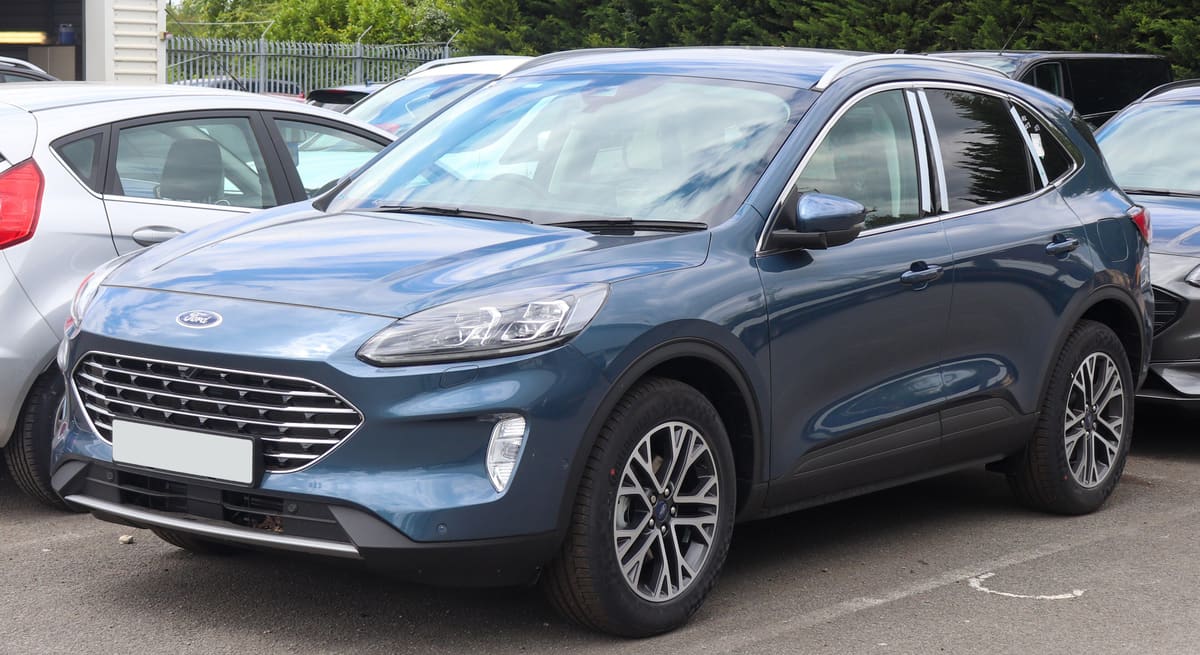
Ford Kuga 2014 to 2019: common problems and what to know
What goes wrong on the 2014 to 2019 Ford Kuga, what owners report and what to check before you buy one.
Updated 22nd June 2026 DVSA data: Across 309,002 recorded MOT tests, 16.3% failed.
TL;DR
The Ford Kuga from 2014 to 2019 has a mix of reliability, with some common problems that potential buyers should be aware of. Key issues include electrical faults, engine problems, and general wear and tear. The 2019 model is considered the most reliable of the generation.
Key facts callout
- The Kuga is available with a range of petrol and diesel engines.
- Common issues include electrical faults and engine overheating.
- Owners report a comfortable ride but limited boot space.
- The 2019 model is considered the most reliable of the generation.
Engine and gearbox
The 2014 to 2019 Ford Kuga offers a selection of engines, including 1.5-litre and 2.0-litre EcoBoost petrol engines and 2.0-litre diesel options. While many owners appreciate the performance and fuel efficiency, some have reported issues with the EcoBoost engines, including overheating, oil leaks, and cylinder head failures.
The manual gearbox is generally reliable, but some drivers have experienced clutch issues, particularly with the EcoBoost models. It is wise to ensure that the clutch has been well maintained and to check for any unusual noises during a test drive.
Electrics and electronics
Electrical problems are among the most frequently reported issues with the Ford Kuga from this generation. Owners have noted issues such as battery drain, malfunctioning infotainment systems, and problems with the central locking. Some models have also experienced dashboard warning lights that illuminate without cause.
It is advisable to check the electrical system thoroughly when purchasing a used Kuga. Ensure that all features, including the stereo, navigation system, and any driver assistance technologies, are functioning correctly.
Body and suspension
The bodywork of the Kuga is generally robust, but some owners have reported issues with paint quality and rust, particularly in areas exposed to road salt. The suspension setup provides a comfortable ride, but wear and tear can lead to knocking noises, especially from the rear suspension.
It is important to inspect the suspension components for any signs of damage or excessive wear. A thorough check of the bodywork for rust and paint imperfections is also recommended, particularly if the car has been used in harsher climates.
What people are asking
Is the Ford Kuga 2014 a reliable car? Yes, but some models have specific issues that potential buyers should be aware of.
What year is the best Ford Kuga? The 2019 model is often regarded as the most refined and reliable.
What is the most common problem with Ford Kuga? Common issues include electrical faults and engine-related problems.
Are 2019 Ford Kugas reliable? Yes, the 2019 Kuga generally offers solid reliability, but it has some limitations.
What owners say
However, many have expressed frustration with the electrical issues and some engine problems. Owners appreciate the spacious interior but often mention the limited boot space compared to competitors. While many owners are satisfied with their Kugas, they recommend thorough checks and maintenance history before purchasing. Owner reports suggests that the Ford Kuga from 2014 to 2019 is generally well-liked for its comfort and driving experience.
Should you buy a 2014 to 2019 Ford Kuga?
The Ford Kuga from 2014 to 2019 offers a blend of comfort, performance, and practicality. However, potential buyers should be aware of the common issues related to electrical faults and engine reliability. If you can find a well-maintained example with a good service history, it could be a solid choice. The 2019 model stands out as the most reliable option in this range, making it a better investment if your budget allows. Always ensure to conduct a thorough inspection and test drive to help mitigate any potential issues.
Ford Kuga recall record
39 recalls have been issued for the Ford Kuga, between 2009 and 2026.
26S10 - Kuga Ranger - Potential Exhaust Gas Recirculation Valve Failure
R/2026/160Issued 27 August 2026
On affected vehicles the Exhaust Gas Recirculation (EGR) valve may fail leading to weak acceleration engine vibration a no start condition or a loss of power.
Remedy:Replace the EGR valve.
Affects cars built Feb 2025 to Jun 2025
Multi Vehicle Line: Unintended High Beam Behaviour - Compliance
R/2026/268Issued 30 June 2026
Affected vehicles may experience erratic behaviour of the Glare Free High Beam function under certain circumstances.
Remedy:Update the Advanced Driver Assistance Systems Electronic Control Unit software.
Affects cars built Sept 2025 to Apr 2026
Transit Courier: Diesel DV-Neo Engine Coolant Pump Update
R/2026/237Issued 15 June 2026
Affected vehicles may have been repaired using a coolant pump with a potential issue. This issue may lead to incorrect engine timing resulting in an engine failure causing a sudden loss of power without prior warning. The engine cannot be restarted.
Remedy:Check and replace the water pump and timing belt if necessary.
Affects cars built Mar 2020 to Mar 2020
Multi Vehicle Line (MVL): Telecommunications Control Module (TCU) loss of Function Software Update
R/2026/181Issued 5 May 2026
Affected vehicles may experience a loss of emergency call system (eCall) functionality which impacts both automatic and manual eCall events.
Remedy:Update the Telematics Control Unit software to the latest level.
Affects cars built Dec 2019 to Feb 2022
35 older recalls not shown.
A recall applies to a build range, not to every car of this model. Check a registration to see whether one specific vehicle has an outstanding recall.
Ford Kuga MOT record
From 309,002 recorded MOT tests, 16.3% failed.
| Registered | Tests | Failed | Median mileage |
|---|---|---|---|
| 2023 | 1,360 | 4.5% | 19,693 mi |
| 2022 | 25,862 | 6.3% | 24,371 mi |
| 2021 | 20,165 | 8.9% | 33,046 mi |
| 2020 | 15,257 | 11.0% | 37,263 mi |
| 2019 | 40,019 | 12.0% | 43,669 mi |
| 2018 | 37,871 | 12.3% | 52,688 mi |
| 2017 | 36,377 | 13.5% | 62,534 mi |
| 2016 | 32,916 | 17.1% | 71,065 mi |
Most common reasons for failure
- Tyre tread depth not in accordance with the requirements35.9%
- a brake lining or pad worn below 1.5mm21.6%
- A tyre seriously damaged17.0%
- A suspension pin, bush or joint excessively worn14.8%
- Brake disc or drum excessively weakened, insecure or fractured10.7%
Figures cover every Ford Kuga tested in the DVSA dataset, not this specific car. Check a registration for the actual history of one vehicle.
Frequently asked questions
Is the Ford Kuga 2014 a reliable car?
Yes, but some models have specific issues that potential buyers should be aware of.
What year is the best Ford Kuga?
The 2019 model is often regarded as the most refined and reliable.
What is the most common problem with Ford Kuga?
Common issues include electrical faults and engine-related problems.
Are 2019 Ford Kugas reliable?
Yes, the 2019 Kuga generally offers solid reliability, but it has some limitations.
Sources
- DVSA anonymised MOT tests and results (Open Government Licence v3.0)
- DVSA vehicle safety recalls (Open Government Licence v3.0)