Top fixes
Ford Edge top fixes: how owners handle the common issues
Practical fixes for the common Ford Edge faults owners run into.
Updated 4th September 2026 DVSA data: Across 8,814 recorded MOT tests, 13.0% failed.
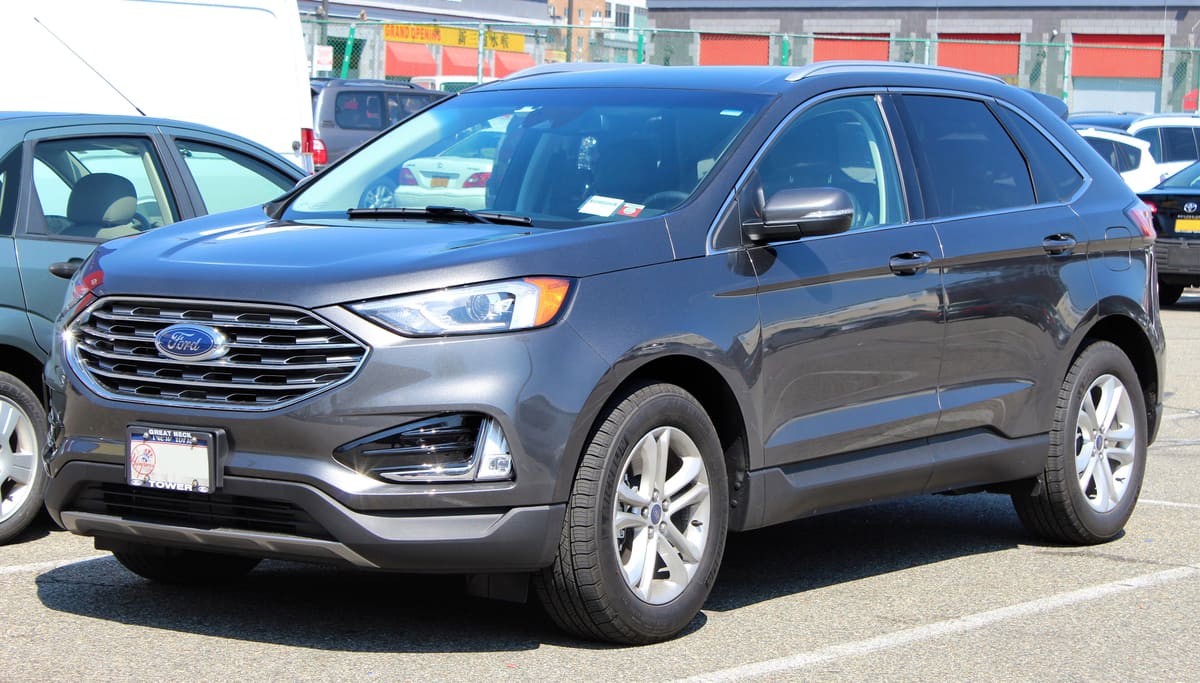
The Ford Edge is a popular SUV, but like any vehicle, it can encounter issues over time. Common problems reported by owners include electrical faults, transmission issues, and suspension concerns. Fortunately, there are practical fixes that can help address these problems effectively.
Electrical Faults
Electrical issues are among the most frequently reported problems by Ford Edge owners. Symptoms can include malfunctioning lights, battery drain, or problems with the infotainment system.
To tackle these issues, start by checking the battery and connections. A weak battery can lead to various electrical problems, so ensure it is fully charged and the terminals are clean and secure. If the infotainment system is acting up, a software update may resolve glitches. Visit a Ford dealer for the latest updates, as they can often fix these issues quickly.
Transmission Problems
Some Ford Edge owners have reported transmission issues, particularly with the automatic gearbox. Symptoms may include rough shifting, slipping, or delayed engagement.
Regular maintenance is crucial to prevent transmission problems. Ensure that the transmission fluid is at the correct level and in good condition. If you notice any issues, a fluid change might be necessary. In more severe cases, a visit to a specialist may be required to diagnose and fix the problem. Early intervention can save you from costly repairs down the line.
Suspension Concerns
Suspension issues, such as noise when going over bumps or a rough ride, are common complaints among Ford Edge drivers. These problems can stem from worn-out components like shock absorbers or bushings.
To address suspension concerns, start with a thorough inspection. Look for signs of wear and tear on the shocks and struts. If you notice any leaks or damage, replacing these components can significantly improve ride quality. Additionally, ensure that the wheel alignment is correct, as misalignment can exacerbate suspension issues and lead to uneven tyre wear.
Brake System Issues
Brake problems can be a serious concern for any vehicle, including the Ford Edge. Owners have reported issues such as squeaking brakes, a spongy brake pedal, or reduced braking efficiency.
Regularly inspect the brake pads and discs for wear. If you hear squeaking, it may be time to replace the pads. A spongy brake pedal could indicate air in the brake lines, which may require bleeding the system. If braking performance is compromised, do not delay in seeking professional help, as this can pose a safety risk.
Engine Performance Problems
Engine performance issues can manifest in various ways, such as reduced power, poor fuel economy, or strange noises. These problems can stem from a variety of sources, including faulty sensors or fuel delivery issues.
Start by checking the engine warning light. If it is illuminated, using an OBD-II scanner can help identify the specific issue. Common fixes include replacing air filters, spark plugs, or fuel injectors. Regular servicing can prevent many engine-related problems, so ensure you keep up with your vehicle’s maintenance schedule.
Tyre Wear and Alignment
Uneven tyre wear is a common issue that can affect the Ford Edge, often resulting from misalignment or suspension problems. This can lead to reduced performance and safety concerns.
To prevent uneven wear, regularly check tyre pressure and tread depth. If you notice uneven wear patterns, it may be time for a wheel alignment. This can often be done at a local garage and is a relatively inexpensive fix. Additionally, rotating your tyres regularly can help extend their lifespan and improve overall handling.
By addressing these common issues proactively, Ford Edge owners can enjoy a smoother and more reliable driving experience. Regular maintenance and timely repairs are key to keeping your vehicle in top condition.
Ford Edge recall record
6 recalls have been issued for the Ford Edge, between 2016 and 2026.
MVL: REAR-VIEW CAMERA DISTORTED AND/OR LOSS OF IMAGE
R/2026/213Issued 28 May 2026
Affected vehicles may have an issue with the rear-view camera. Drivers may experience a distorted or loss of image.
Remedy:Check vehicle and replace camera as required.
Affects cars built Dec 2015 to Sept 2016
CrossCar: Sync3 Rear-View Camera Software Update
R/2025/359Issued 8 September 2025
On affected vehicles a software problem may result in issues with the rear-view camera that reduce the driver’s view or with it remaining on after a reversing event.
Remedy:Update the vehicle software to the latest level.
Affects cars built Sept 2018 to Nov 2018
Brake Hose Leak
R/2026/076Issued 23 May 2024
On affected vehicles there is the possibility of the front brake hoses leaking.
Remedy:Replace both front brake hoses and modify the hose routing and ride height sensor if necessary.
Affects cars built Dec 2015 to Dec 2018
TAKATA AIR BAG INFLATOR MAY RUPTURE ON DEPLOYMENT
R/2019/156Issued 21 August 2020
Air bag inflators may not operate as intended
Remedy:Replace air bag inflator
Affects cars built Jul 2007 to Jul 2010
2 older recalls not shown.
A recall applies to a build range, not to every car of this model. Check a registration to see whether one specific vehicle has an outstanding recall.
Ford Edge MOT record
From 8,814 recorded MOT tests, 13.0% failed.
| Registered | Tests | Failed | Median mileage |
|---|---|---|---|
| 2019 | 1,002 | 10.7% | 45,386 mi |
| 2018 | 1,637 | 13.4% | 59,970 mi |
| 2017 | 3,891 | 13.0% | 65,840 mi |
| 2016 | 2,284 | 13.8% | 71,862 mi |
Most common reasons for failure
- Tyre tread depth not in accordance with the requirements37.2%
- a brake lining or pad worn below 1.5mm27.5%
- A tyre seriously damaged15.9%
- Brake disc or drum excessively weakened, insecure or fractured12.5%
- A shock absorber damaged to the extent that it does not function or showing signs of severe leakage6.9%
Figures cover every Ford Edge tested in the DVSA dataset, not this specific car. Check a registration for the actual history of one vehicle.
Frequently asked questions
What are common issues with the Ford Edge?
Common issues with the Ford Edge include electrical problems, transmission issues, and occasional engine performance concerns. Regular maintenance can help prevent some of these problems.
How can I tell if my Ford Edge needs repairs?
Signs that your Ford Edge may need repairs include unusual noises, warning lights on the dashboard, and decreased performance. If you notice any of these, it's best to have it checked by a professional.
Are Ford Edge parts easy to find in the UK?
Yes, Ford Edge parts are generally available in the UK through various suppliers, both online and in-store. However, availability may vary depending on the specific part and model year.
What should I do if my Ford Edge has a recall?
Recalls are issued against individual vehicles rather than a model as a whole, so a model-level yes or no would be guesswork. Enter the registration on Honest Car Check and we check the DVSA record for that specific car. Where DVSA holds no status, confirm it with a franchised dealer using the VIN.
Can I perform basic maintenance on my Ford Edge myself?
Yes, many basic maintenance tasks, such as oil changes and air filter replacements, can be done at home if you have the right tools and knowledge. Always refer to the owner's manual for guidance.
What are the signs of a failing transmission in a Ford Edge?
Signs of a failing transmission include slipping gears, delayed shifting, and unusual noises when changing gears. If you experience these symptoms, it is important to seek professional help.
Is it worth buying a used Ford Edge with known issues?
Buying a used Ford Edge with known issues can be worthwhile if the problems are minor and can be easily fixed. However, it's essential to factor in repair costs and ensure the vehicle has a good service history.
Sources
- DVSA anonymised MOT tests and results (Open Government Licence v3.0)
- DVSA vehicle safety recalls (Open Government Licence v3.0)