Common problems
Ford Edge common problems and reliability issues
Honest rundown of the most common Ford Edge faults, what to watch for, and how to keep one running well.
Updated 23rd June 2026 DVSA data: Across 8,814 recorded MOT tests, 13.0% failed.
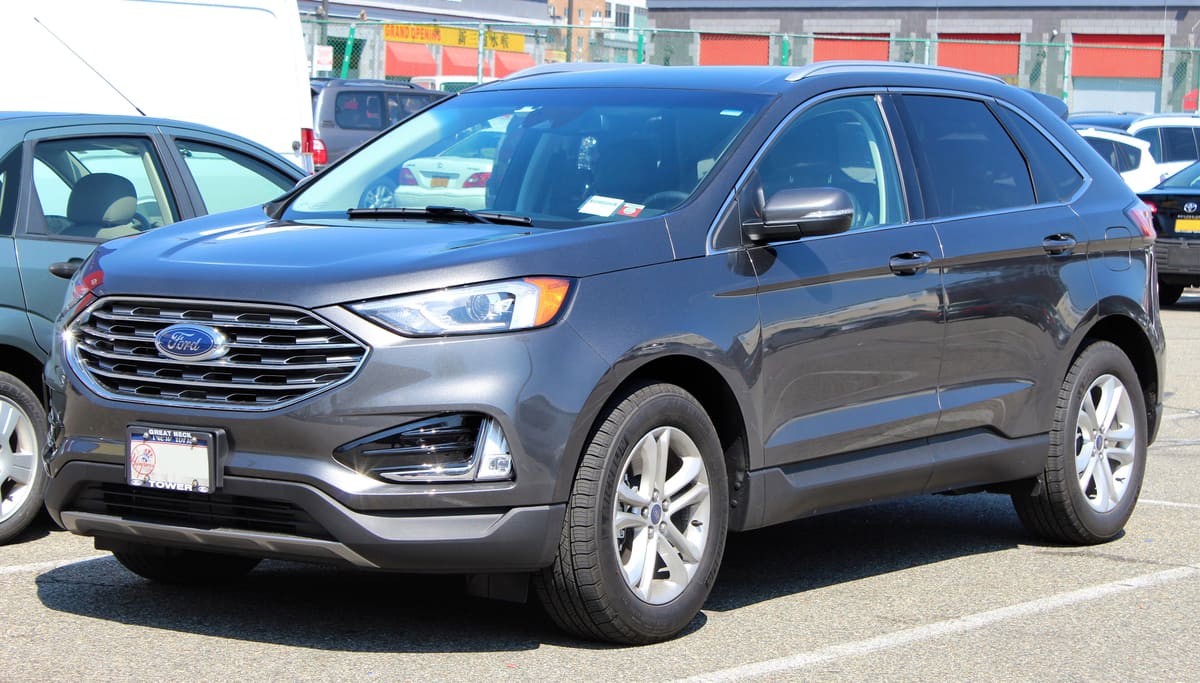
The Ford Edge is known for its spacious interior and comfortable ride, but like any vehicle, it has its share of common problems. Owners often report issues with the electrical system, transmission, and suspension.
Electrical System Issues
One of the most frequently reported problems with the Ford Edge involves its electrical system. Owners have noted issues such as malfunctioning dashboard lights, problems with the infotainment system, and battery drain. These electrical gremlins can lead to frustrating experiences, particularly if they occur while driving.
The infotainment system, in particular, has been known to freeze or reset unexpectedly. This can affect navigation and music playback, which are vital for a pleasant driving experience. Additionally, battery drain can occur due to faulty wiring or components that remain active when they should not, leading to unexpected dead batteries.
Transmission Problems
Transmission issues are another common complaint among Ford Edge owners. Many have reported rough shifting, slipping gears, and, in some cases, complete transmission failure. These problems can significantly impact the vehicle’s performance and safety.
The rough shifting can often be attributed to software glitches in the transmission control module, which may require a software update to resolve. Slipping gears can indicate low transmission fluid levels or internal wear, necessitating a thorough inspection. In severe cases, a complete transmission rebuild or replacement may be necessary, which can be costly.
Suspension and Steering Concerns
The Ford Edge is also known for suspension and steering problems. Owners have reported issues such as excessive noise from the suspension, uneven tyre wear, and vague steering response. These issues can affect the vehicle’s handling and comfort, making it less enjoyable to drive.
Excessive noise from the suspension may indicate worn components, such as bushings or shock absorbers, which can lead to a rough ride. Uneven tyre wear is often a sign of misalignment or suspension issues, which can compromise safety. Vague steering response may stem from worn steering components, requiring immediate attention to ensure safe handling.
Engine Performance Problems
Engine performance issues can also plague the Ford Edge, with owners reporting problems such as rough idling, decreased power, and increased fuel consumption. These issues can stem from various causes, including faulty sensors, fuel delivery problems, or ignition system failures.
Rough idling may be linked to a malfunctioning mass airflow sensor or spark plugs that need replacing. Decreased power can result from clogged fuel injectors or a failing fuel pump, which can also lead to increased fuel consumption. Regular maintenance and prompt attention to warning signs can help mitigate these issues.
Brake System Failures
Brake system failures are a serious concern for any vehicle, and the Ford Edge is no exception. Owners have reported problems such as squeaking or grinding noises, a spongy brake pedal, and reduced braking effectiveness. These issues can pose significant safety risks if not addressed promptly.
Squeaking or grinding noises often indicate worn brake pads or rotors, which should be replaced to maintain optimal braking performance. A spongy brake pedal may suggest air in the brake lines or a failing master cylinder, both of which require immediate attention. Reduced braking effectiveness can stem from various issues, including worn components or low brake fluid levels, necessitating a thorough inspection.
Cooling System Failures
Cooling system failures can lead to overheating and significant engine damage if not addressed. Ford Edge owners have reported issues such as coolant leaks, malfunctioning thermostats, and radiator failures. These problems can cause the engine to run hotter than normal, leading to potential breakdowns.
Coolant leaks are often caused by worn hoses or a failing water pump, which can lead to a loss of coolant and overheating. A malfunctioning thermostat may prevent the engine from reaching optimal operating temperature, affecting performance and fuel efficiency. Regular checks of the cooling system can help prevent these issues from escalating.
Understanding these common problems with the Ford Edge can help current and prospective owners make informed decisions about maintenance and repairs. By staying vigilant and addressing issues promptly, owners can enjoy the benefits of this versatile SUV while minimising the risk of more severe problems down the line.
Ford Edge recall record
6 recalls have been issued for the Ford Edge, between 2016 and 2026.
MVL: REAR-VIEW CAMERA DISTORTED AND/OR LOSS OF IMAGE
R/2026/213Issued 28 May 2026
Affected vehicles may have an issue with the rear-view camera. Drivers may experience a distorted or loss of image.
Remedy:Check vehicle and replace camera as required.
Affects cars built Dec 2015 to Sept 2016
CrossCar: Sync3 Rear-View Camera Software Update
R/2025/359Issued 8 September 2025
On affected vehicles a software problem may result in issues with the rear-view camera that reduce the driver’s view or with it remaining on after a reversing event.
Remedy:Update the vehicle software to the latest level.
Affects cars built Sept 2018 to Nov 2018
Brake Hose Leak
R/2026/076Issued 23 May 2024
On affected vehicles there is the possibility of the front brake hoses leaking.
Remedy:Replace both front brake hoses and modify the hose routing and ride height sensor if necessary.
Affects cars built Dec 2015 to Dec 2018
TAKATA AIR BAG INFLATOR MAY RUPTURE ON DEPLOYMENT
R/2019/156Issued 21 August 2020
Air bag inflators may not operate as intended
Remedy:Replace air bag inflator
Affects cars built Jul 2007 to Jul 2010
2 older recalls not shown.
A recall applies to a build range, not to every car of this model. Check a registration to see whether one specific vehicle has an outstanding recall.
Ford Edge MOT record
From 8,814 recorded MOT tests, 13.0% failed.
| Registered | Tests | Failed | Median mileage |
|---|---|---|---|
| 2019 | 1,002 | 10.7% | 45,386 mi |
| 2018 | 1,637 | 13.4% | 59,970 mi |
| 2017 | 3,891 | 13.0% | 65,840 mi |
| 2016 | 2,284 | 13.8% | 71,862 mi |
Most common reasons for failure
- Tyre tread depth not in accordance with the requirements37.2%
- a brake lining or pad worn below 1.5mm27.5%
- A tyre seriously damaged15.9%
- Brake disc or drum excessively weakened, insecure or fractured12.5%
- A shock absorber damaged to the extent that it does not function or showing signs of severe leakage6.9%
Figures cover every Ford Edge tested in the DVSA dataset, not this specific car. Check a registration for the actual history of one vehicle.
Frequently asked questions
What are the most common problems with the Ford Edge?
Common issues with the Ford Edge include electrical faults, transmission problems, and issues with the infotainment system. Owners have also reported problems with the suspension and brakes.
How reliable is the Ford Edge?
The Ford Edge generally has a good reliability rating, but like any vehicle, it can experience issues. Regular maintenance and servicing can help mitigate potential problems.
Are there any known issues with the Ford Edge's engine?
Some Ford Edge models have reported engine performance issues, including rough idling and loss of power. It's advisable to check the service history for any previous engine-related repairs.
What should I check before buying a used Ford Edge?
Before purchasing a used Ford Edge, check for service records, any signs of bodywork repairs, and the condition of the tyres and brakes. It's also wise to have a full vehicle history check done.
Is the Ford Edge expensive to maintain?
Maintenance costs for the Ford Edge can vary depending on the model year and condition. Generally, parts and servicing are reasonably priced compared to some other SUVs in its class.
How can I prevent common problems with my Ford Edge?
Regular servicing and timely repairs can help prevent common issues. Keeping an eye on warning lights and addressing them promptly is also crucial for maintaining the vehicle's health.
What are the signs of transmission problems in the Ford Edge?
Signs of transmission problems include slipping gears, delayed shifting, and unusual noises when changing gears. If you notice any of these symptoms, it is best to have the vehicle inspected by a professional.
Sources
- DVSA anonymised MOT tests and results (Open Government Licence v3.0)
- DVSA vehicle safety recalls (Open Government Licence v3.0)