Running costs
Dacia Sandero running costs: what UK ownership really costs
Dacia Sandero UK running costs: fuel or electric, insurance group, road tax, servicing and depreciation.
Updated 4th September 2026 DVSA data: Across 116,244 recorded MOT tests, 24.0% failed.
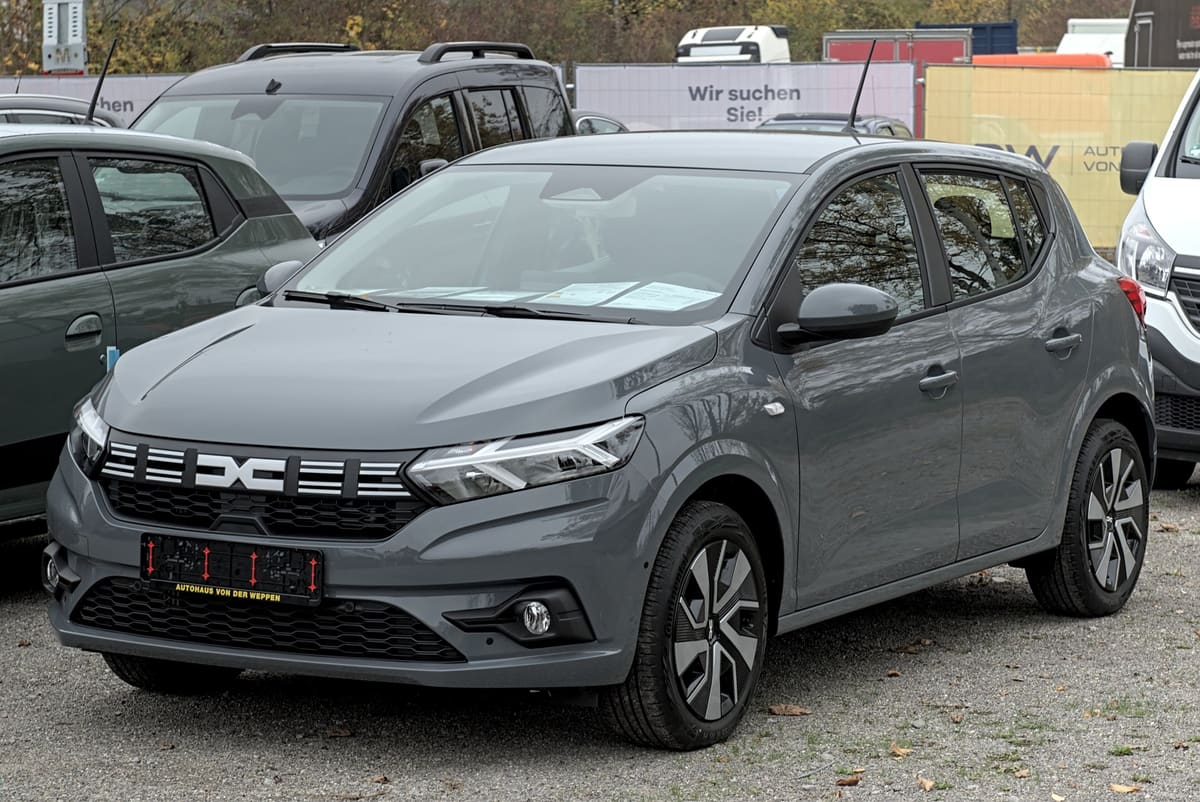
The Dacia Sandero offers low running costs, making it an economical choice for budget-conscious drivers. Fuel efficiency is impressive, insurance is affordable, and tax rates are low. Regular servicing is straightforward, and depreciation is manageable, ensuring overall ownership costs remain low throughout its lifespan.
Fuel and Electric Costs
The Dacia Sandero is available with petrol and diesel engines, both of which are designed for efficiency. The petrol variants typically achieve around 50 to 60 miles per gallon, while the diesel options can reach up to 70 miles per gallon, depending on driving conditions and style. The low fuel consumption translates to reduced spending at the pump, making it a cost-effective choice for daily commuting and longer journeys.
For electric vehicle enthusiasts, the Sandero does not currently offer an all-electric model. However, the petrol and diesel engines are economical enough to keep fuel costs manageable. The overall fuel expenditure will vary based on individual usage patterns and fuel prices, but many owners find that the Sandero’s efficiency helps keep costs down.
Insurance Group
The Dacia Sandero is positioned in lower insurance groups, typically ranging from group 5 to group 10, depending on the specific model and trim level. This makes it an attractive option for new drivers or those looking to minimise insurance expenses. Lower insurance groups often correlate with cheaper premiums, which can significantly reduce the total cost of ownership.
When considering insurance, it is essential to compare quotes from various providers, as premiums can vary widely. Factors such as driving history, location, and even the chosen model can influence the final cost. Overall, the Sandero’s low insurance group rating is a key selling point for many buyers.
Tax Band
The Dacia Sandero falls into low tax bands, primarily due to its efficient engine options. Most petrol and diesel variants are subject to lower Vehicle Excise Duty (VED) rates, which can save owners money each year. The exact tax band will depend on the engine size and emissions, but many models qualify for the lower tax brackets.
For example, models with lower CO2 emissions may even be exempt from road tax altogether for the first year. This benefit further enhances the Sandero’s appeal as a budget-friendly vehicle, allowing owners to allocate funds elsewhere in their budget. Keeping track of tax rates and any potential changes is advisable to ensure accurate budgeting.
Servicing Intervals
Dacia recommends servicing the Sandero every 12 months or 12,000 miles, whichever comes first. This regular maintenance schedule helps ensure the vehicle remains in good working order and can prevent more costly repairs down the line. Routine servicing typically includes oil changes, filter replacements, and checks of essential systems such as brakes and tyres.
The cost of servicing is generally competitive, with many independent garages offering affordable options. Dacia also provides a warranty that covers the vehicle for a specific period or mileage, which can help mitigate repair costs during the early years of ownership. Staying on top of servicing can enhance reliability and longevity, making it a smart investment.
Typical Depreciation
The Dacia Sandero is known for its relatively slow depreciation compared to other vehicles in its class. While all cars lose value over time, the Sandero tends to hold its worth better than many competitors, thanks in part to its low purchase price and reputation for reliability.
This slower depreciation is beneficial for those considering resale or trade-in options later on. The Sandero’s affordability and practicality make it appealing to a broad range of buyers, which helps maintain its market value. Keeping the vehicle well-maintained can further enhance its resale potential, ensuring that owners get a fair return when it comes time to sell.
Overall Ownership Costs
When considering the total ownership costs of the Dacia Sandero, it is clear that it is designed with budget-conscious drivers in mind. From fuel efficiency and low insurance premiums to affordable servicing and minimal depreciation, the Sandero offers a comprehensive package that keeps running costs low.
While individual experiences may vary based on driving habits and personal circumstances, the Sandero consistently ranks as a cost-effective choice in the UK market. For those seeking an economical vehicle that does not compromise on practicality, the Dacia Sandero remains a strong contender.
Dacia Sandero recall record
7 recalls have been issued for the Dacia Sandero, between 2016 and 2021.
POORLY FITTED FUEL SUPPLY HOSE LEADING TO A POTENTIAL LEAK IN THE ENGINE COMPARTMENT
R/2021/364Issued 12 October 2021
Poorly fitted fuel supply hose leading to a potential leak in the engine compartment.
Remedy:Check the fuel system on all vehicles and replacing the fuel pipe.
Affects cars built Feb 2020 to Sept 2021
RISK OF THE KEY JAMMING IN THE START POSITION CAUSING POTENTIAL DAMGE TO THE STARTER MOTOR.
R/2020/307Issued 3 November 2020
There is a possible risk of the ignition switch not disengaging correctly after starting the vehicle resulting in the key jamming in the start position. In rare circumstances this may cause a thermal incident.
Remedy:Replacement of the ignition switch.
Affects cars built Sept 2017 to Oct 2018
THE CONTACT BETWEEN THE POSITIVE BATTERY TERMINAL AND THE ALTERNATOR COULD CAUSE AN ELECTRICAL SHORT CIRCUIT
R/2020/006Issued 21 January 2020
Contact between the positive battery terminal and the alternator could cause an electrical short circuit.
Remedy:Modify the wiring route and if necessary replace the alternator.
Affects cars built Jul 2019 to Jul 2019
DRIVER'S AIRBAG MAY NOT DEPLOY CORRECTLY DURING AN IMPACT
R/2018/371Issued 4 January 2019
Drivers air bag may not deploy correctly.
Remedy:Replace drivers air bag.
Affects cars built Apr 2018 to Aug 2018
3 older recalls not shown.
A recall applies to a build range, not to every car of this model. Check a registration to see whether one specific vehicle has an outstanding recall.
Dacia Sandero MOT record
From 116,244 recorded MOT tests, 24.0% failed.
| Registered | Tests | Failed | Median mileage |
|---|---|---|---|
| 2023 | 399 | 7.0% | 17,081 mi |
| 2022 | 12,840 | 7.2% | 18,573 mi |
| 2021 | 7,905 | 9.7% | 23,278 mi |
| 2020 | 8,906 | 14.0% | 28,864 mi |
| 2019 | 12,337 | 16.5% | 34,823 mi |
| 2018 | 12,334 | 20.5% | 41,862 mi |
| 2017 | 14,472 | 26.0% | 50,198 mi |
| 2016 | 14,140 | 31.1% | 58,180 mi |
Most common reasons for failure
- Tyre tread depth not in accordance with the requirements29.6%
- A tyre seriously damaged24.1%
- A spring or spring component fractured or seriously weakened17.4%
- A suspension pin, bush or joint excessively worn16.1%
- Brake disc or drum excessively weakened, insecure or fractured12.7%
Figures cover every Dacia Sandero tested in the DVSA dataset, not this specific car. Check a registration for the actual history of one vehicle.
Dacia Sandero official figures
Median across 106 variants on sale, petrol, petrol / lpg.
- Combined economy
- 50.4 mpg
- WLTP median across variants
- CO2 emissions
- 127.5 g/km
- Sets the first-year tax rate
Official figures for new cars. Real economy varies with driving, load and conditions.
Frequently asked questions
How often does a Dacia Sandero need servicing?
Dacia recommends servicing the Sandero every 12 months or 12,000 miles, whichever comes first. Regular maintenance includes oil changes, air filter replacements, and checks on the brakes and tyres to ensure optimal performance and safety.
What are the insurance costs for a Dacia Sandero?
Insurance costs for a Dacia Sandero typically fall within groups 6 to 10, depending on the model year and specifications. For example, the 2021 model may be cheaper to insure than a more powerful variant, making it an economical choice for many drivers.
Are there any specific maintenance issues to watch for?
Drivers should keep an eye on the brake pads, especially if they notice squeaking or reduced braking performance. Replacing brake pads is a common maintenance task, usually recommended every 20,000 to 30,000 miles, depending on driving habits.
What is the road tax band for a Dacia Sandero?
The Dacia Sandero typically falls into tax bands A to C, depending on the engine size and emissions. For instance, the 1.0-litre model often qualifies for lower tax rates, making it an economical choice for budget-conscious drivers.
How reliable is the Dacia Sandero in terms of running costs?
The Dacia Sandero is known for its reliability, with many owners reporting minimal issues over several years. Regular checks on components like the battery and tyres can help maintain this reliability, ensuring lower running costs over time.
What are the typical tyre replacement costs for a Dacia Sandero?
Tyre replacement costs for a Dacia Sandero can vary, but expect to pay for a set of four tyres every 30,000 to 40,000 miles, depending on driving conditions. Choosing quality brands can enhance safety and performance.
Sources
- DVSA anonymised MOT tests and results (Open Government Licence v3.0)
- VCA new car fuel consumption and emissions data (Open Government Licence v3.0)
- DVSA vehicle safety recalls (Open Government Licence v3.0)