Top fixes
Volvo V90 top fixes: how owners handle the common issues
Practical fixes for the common Volvo V90 faults owners run into.
Updated 4th September 2026 DVSA data: Across 16,241 recorded MOT tests, 14.4% failed.
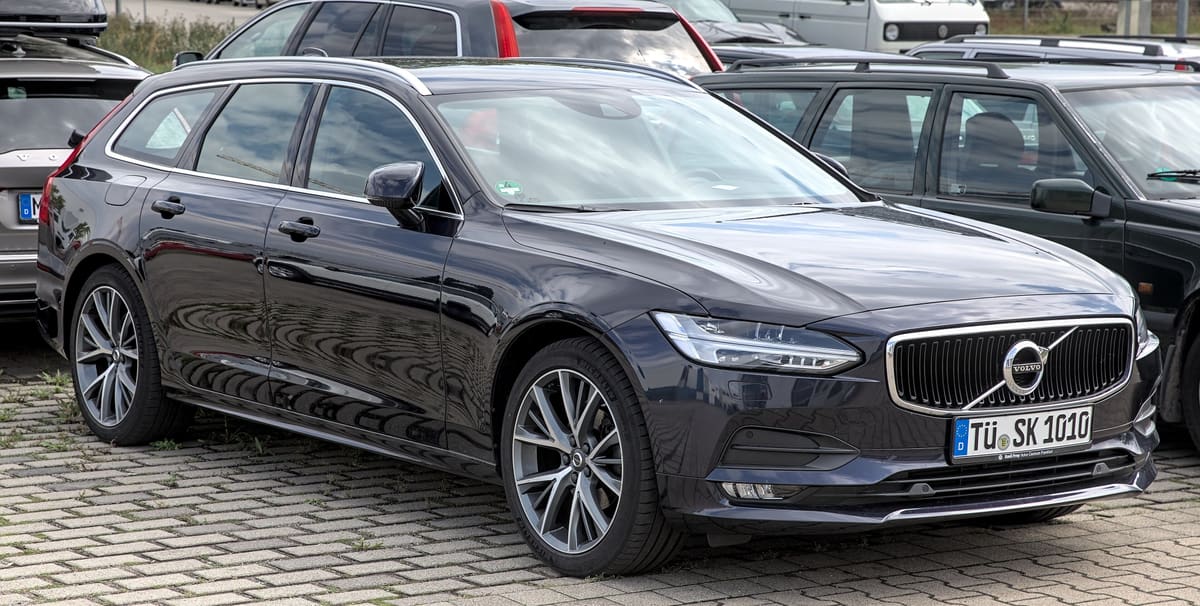
The Volvo V90 is a popular estate car known for its comfort and practicality. Common problems reported by owners include electrical faults, suspension wear, and engine performance concerns. This article outlines practical fixes for these issues to help you maintain your V90 effectively.
Electrical Faults
Electrical issues are among the most frequently reported problems with the Volvo V90. Owners have noted problems with the infotainment system, dashboard warning lights, and battery drainage.
To address these issues, start by checking the battery connections for corrosion or loose terminals. If the infotainment system is unresponsive, a software update may resolve the problem. Regularly inspecting the vehicle’s electrical system can prevent minor issues from escalating into more significant problems.
Suspension Wear
Suspension wear is another common concern for V90 owners, particularly as the vehicle ages. Symptoms include a bumpy ride, excessive noise over bumps, and uneven tyre wear.
To fix suspension issues, inspect the shock absorbers and struts for leaks or damage. Replacing worn components can restore ride quality and handling. Additionally, having the wheel alignment checked can help prevent premature tyre wear and improve overall driving comfort.
Engine Performance Concerns
Some Volvo V90 owners have reported engine performance issues, such as reduced power, rough idling, or increased fuel consumption. These problems can often be traced back to issues with the fuel system, air intake, or engine management software.
Regular maintenance, including replacing the air filter and fuel filter, can improve engine performance. If the problem persists, a diagnostic scan can identify any fault codes in the engine management system. Addressing these codes promptly can prevent further damage and ensure optimal performance.
Brake System Problems
Brake system issues can arise in the V90, with owners reporting squeaking noises, a spongy brake pedal, or warning lights on the dashboard. These symptoms can indicate worn brake pads, damaged rotors, or issues with the brake fluid.
To fix brake problems, start by inspecting the brake pads and rotors for wear. Replacing worn components is crucial for maintaining safe braking performance. If the brake pedal feels spongy, check the brake fluid level and look for any leaks in the system. Regular brake maintenance is essential for safety and performance.
Transmission Issues
Transmission problems can be a concern for some V90 owners, with symptoms including slipping gears, delayed engagement, or unusual noises. These issues can stem from low transmission fluid levels, worn components, or software glitches.
To address transmission concerns, check the fluid level and condition. If the fluid is low or dirty, a change may be necessary. In some cases, a software update can resolve shifting issues. If problems persist, consulting a professional mechanic is advisable to diagnose and repair any underlying issues.
Tyre and Wheel Issues
Tyre and wheel problems are also common among Volvo V90 owners, including uneven wear, vibrations, and alignment issues. These problems can affect handling and safety, making regular inspections essential.
To fix tyre issues, regularly check tyre pressure and tread depth. Rotating the tyres can help ensure even wear. If you notice vibrations while driving, have the wheels balanced and aligned. Addressing these issues promptly can extend the life of your tyres and improve overall driving safety.
By staying proactive with maintenance and addressing common issues promptly, Volvo V90 owners can enjoy a reliable and comfortable driving experience. Regular inspections and timely repairs will help keep your vehicle in top condition for years to come.
Volvo V90 recall record
16 recalls have been issued for the Volvo V90, between 2002 and 2025.
BCM2 SW – Safety Notice
R/2025/211Issued 23 June 2025
Affected vehicles may experience a temporary loss of braking functionality after coasting downhill with ‘B’ mode selected or when using One Pedal Drive. This could potentially lead to a collision.
Remedy:Install modified software via an Over the Air (OTA) update.
Affects cars built May 2020 to Jun 2025
SPA1 Cell Modules
R/2025/117Issued 24 March 2025
On affected vehicles the High Voltage (HV) Battery may have a manufacturing defect which could cause the battery cells to overheat when the HV Battery is fully charged. In a worst-case scenario there is a risk of fire when the vehicle is parked up with a fully charged HV Battery.
Remedy:Check and replace the HV Battery if necessary and install modified software.
Affects cars built Jun 2019 to Nov 2021
BCM2 – Push Road
R/2024/446Issued 5 November 2024
The rod connecting the brake pedal to the brake booster may not have been assembled correctly. The final torque might not be according to manufacturing specification due to deviations in the equipment. If the rod does disconnect the mechanical connection between brake pedal and brake booster cannot be guaranteed. In the worst-case scenario if the rod disconnects the brake pedal function cannot be guaranteed
Remedy:A Volvo retailer will check and if necessary tighten the rod to correct specification.
Affects cars built Jun 2019 to Oct 2019
There may be a potential software error in the brake control module.
R/2023/025Issued 24 January 2023
There may be a potential software error in the brake control module.
Remedy:Update the brake control module software.
Affects cars built Oct 2022 to Jan 2023
12 older recalls not shown.
A recall applies to a build range, not to every car of this model. Check a registration to see whether one specific vehicle has an outstanding recall.
Volvo V90 MOT record
From 16,241 recorded MOT tests, 14.4% failed.
| Registered | Tests | Failed | Median mileage |
|---|---|---|---|
| 2022 | 953 | 8.8% | 31,548 mi |
| 2021 | 1,222 | 8.8% | 42,098 mi |
| 2020 | 2,391 | 13.4% | 47,755 mi |
| 2019 | 4,406 | 14.2% | 56,348 mi |
| 2018 | 3,941 | 14.8% | 70,517 mi |
| 2017 | 2,896 | 18.0% | 81,920 mi |
| 2016 | 432 | 23.4% | 86,297 mi |
Most common reasons for failure
- Tyre tread depth not in accordance with the requirements31.2%
- A tyre seriously damaged26.3%
- a brake lining or pad worn below 1.5mm25.7%
- A transmission shaft constant velocity joint boot missing or no longer prevents the ingress of dirt etc9.0%
- A tyre cords visible or damaged7.8%
Figures cover every Volvo V90 tested in the DVSA dataset, not this specific car. Check a registration for the actual history of one vehicle.
Volvo V90 official figures
Median across 16 variants on sale, diesel electric, electricity / petrol, petrol electric.
- Combined economy
- 39.7 mpg
- WLTP median across variants
- CO2 emissions
- 164 g/km
- Sets the first-year tax rate
- Electric range
- 53 miles
- Manufacturer WLTP figure
Official figures for new cars. Real economy varies with driving, load and conditions.
Frequently asked questions
What common issues should I look for in a Volvo V90?
Common issues in the Volvo V90 include electrical problems, suspension wear, and engine performance concerns. It's advisable to check for any warning lights on the dashboard and listen for unusual noises during a test drive.
How can I tell if the brakes need fixing on a Volvo V90?
If you notice squeaking or grinding noises when braking, or if the brake pedal feels spongy, it may indicate that the brakes need attention. Additionally, check for any warning lights related to the braking system.
Are there any specific recalls for the Volvo V90?
Recalls are issued against individual vehicles rather than a model as a whole, so a model-level yes or no would be guesswork. Enter the registration on Honest Car Check and we check the DVSA record for that specific car. Where DVSA holds no status, confirm it with a franchised dealer using the VIN.
What should I do if the engine warning light comes on?
If the engine warning light illuminates, it is best to have the vehicle diagnosed by a professional as soon as possible. Ignoring this warning can lead to more serious issues and costly repairs.
What are the signs of suspension problems in a Volvo V90?
Signs of suspension problems include a bumpy ride, uneven tyre wear, and difficulty steering. If you notice any of these symptoms, it is advisable to have the suspension inspected by a qualified mechanic.
Is it expensive to repair a Volvo V90?
Repair costs for a Volvo V90 can vary depending on the issue and the parts needed. Generally, Volvo parts can be pricier than average, so it's wise to budget for potential repairs.
How can I find a reliable mechanic for my Volvo V90?
To find a reliable mechanic, look for garages that specialise in Volvo vehicles or have good reviews from other Volvo owners. You can also check for certifications and ask for recommendations from friends or online forums.
Sources
- DVSA anonymised MOT tests and results (Open Government Licence v3.0)
- VCA new car fuel consumption and emissions data (Open Government Licence v3.0)
- DVSA vehicle safety recalls (Open Government Licence v3.0)