Running costs
Volvo V60 running costs: what UK ownership really costs
Volvo V60 UK running costs: fuel or electric, insurance group, road tax, servicing and depreciation.
Updated 12th October 2026 DVSA data: Across 40,814 recorded MOT tests, 19.2% failed.
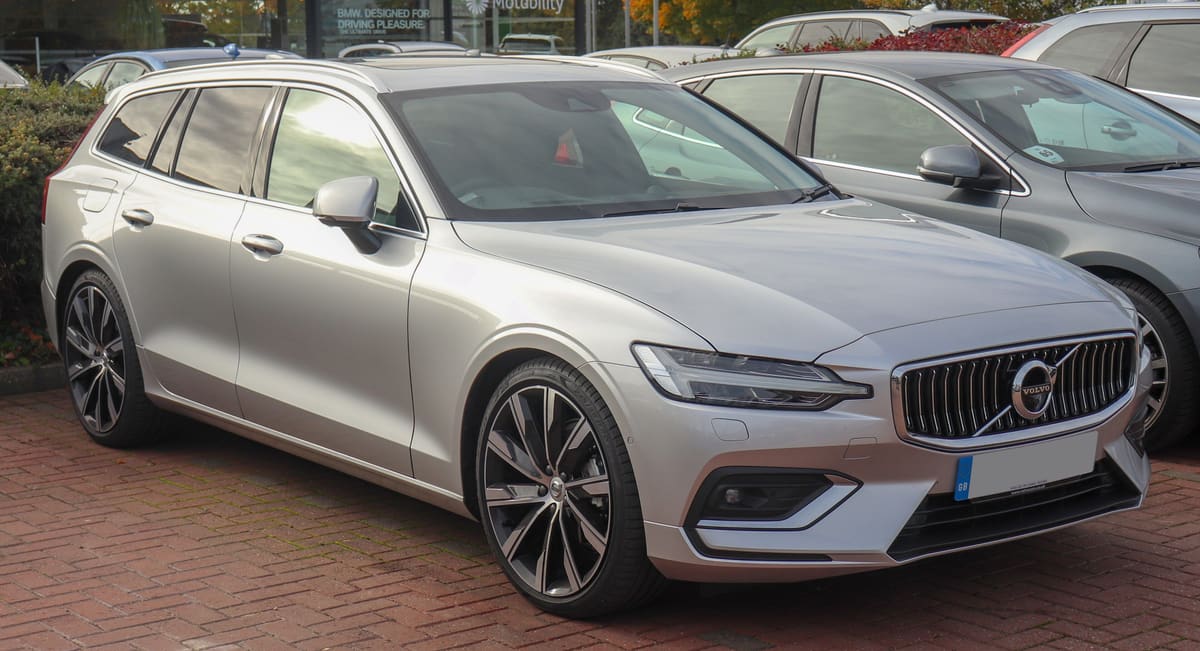
The Volvo V60’s running costs are influenced by factors such as its tax classification, insurance group, servicing requirements, and depreciation. Its tax liability depends on engine emissions and fuel type, while insurance costs reflect safety features and repair costs. Regular servicing is straightforward but can be pricier than average, and its strong brand reputation helps it retain value relatively well compared to rivals.
Vehicle Tax and Its Impact on Running Costs
The cost of vehicle tax for the Volvo V60 is primarily determined by its engine emissions and fuel type. Petrol, diesel, and hybrid variants each attract different rates under the UK’s Vehicle Excise Duty (VED) system. Lower emission models benefit from reduced tax, encouraging buyers to consider cleaner powertrains to minimise yearly expenses.
The government’s tax bands are structured to penalise higher CO2 emissions, so the exact tax payable varies significantly between trims and engines. Plug-in hybrid versions may qualify for lower or zero tax in the first year and reduced rates thereafter, reflecting government incentives for greener vehicles. Petrol and diesel models with higher emissions will fall into higher tax brackets, increasing annual costs.
Tax rates are published on the official government website, where buyers can check the exact liability based on the car’s registration details. This transparency helps owners anticipate running costs and make informed decisions when comparing the V60 to alternatives.
Insurance Group and Factors Affecting Premiums
Insurance premiums for the Volvo V60 are influenced by its assigned insurance group, which reflects the car’s performance, repair costs, and safety record. The V60’s reputation for solid build quality and advanced safety features tends to moderate insurance costs, but factors such as engine size, trim level, and optional extras also play a role.
Higher-powered variants or those with expensive technology can push the insurance group higher, increasing premiums. Conversely, models with smaller engines or fewer costly components may fall into lower groups, making insurance more affordable. The car’s safety features, such as collision avoidance systems and multiple airbags, contribute positively by reducing risk and potential claim costs.
Insurance quotes vary between providers, so it is advisable to obtain personalised quotes based on the specific model and driver profile. Comparing quotes helps identify the most cost-effective insurance option for the V60. The government’s insurance group listings provide a useful starting point to understand where the car sits in the market.
Servicing and Maintenance Demands
The Volvo V60 requires regular servicing to maintain reliability and performance, with intervals and tasks depending on the engine type and model year. Routine maintenance includes oil changes, brake checks, and fluid top-ups, while more comprehensive inspections cover components like suspension and exhaust systems.
Volvo vehicles are known for their robust engineering, but servicing costs can be higher than average due to the use of specialised parts and technology. Diesel engines, in particular, may require additional attention to emissions-related components such as particulate filters. Hybrid models add complexity with their battery and electric motor systems, necessitating specialised service procedures.
Choosing a main dealer for servicing ensures access to genuine parts and trained technicians, but independent specialists familiar with Volvo can offer competitive pricing. Following the manufacturer’s recommended service schedule helps avoid costly repairs and preserves the car’s warranty where applicable.
Fuel Costs and Efficiency Considerations
Fuel expenditure is a significant part of the V60’s running costs and varies according to engine type, driving style, and conditions. Petrol models generally have higher fuel consumption than diesel or hybrid variants, which offer better efficiency on longer journeys or mixed driving.
Hybrid versions can reduce fuel use by combining electric power with a combustion engine, especially in urban environments where electric-only driving is possible. However, the complexity of hybrid systems means owners should be aware of potential maintenance costs related to battery health and associated electronics.
Driving habits such as smooth acceleration, maintaining steady speeds, and avoiding excessive idling can help optimise fuel economy. Regular tyre maintenance and correct pressures also contribute to better efficiency, reducing overall running costs.
Depreciation and Residual Value
The Volvo V60 tends to hold its value reasonably well compared to many competitors, thanks to its strong brand image, build quality, and desirability in the used car market. Depreciation is influenced by factors such as mileage, condition, service history, and model popularity.
Well-maintained examples with full service records and lower mileage command higher prices when sold or traded in. Diesel and hybrid variants may depreciate differently depending on market demand and regulatory changes affecting emissions standards. For instance, diesel cars can be more affected by local restrictions or buyer perceptions.
Choosing popular trims and options that appeal to a broad range of buyers can help preserve residual value. Regular upkeep and addressing any mechanical or cosmetic issues promptly also support better resale prospects.
Tyres, Repairs, and Other Running Costs
Tyre replacement and general repairs contribute to the ongoing costs of owning a Volvo V60. The car’s handling and safety depend on good quality tyres suited to the model’s weight and performance characteristics. Premium or larger tyres increase replacement costs but may be necessary for certain trims.
Repairs tend to be straightforward due to Volvo’s reputation for reliability, but parts and labour can be more expensive than average, especially if carried out at main dealers. Warranty coverage and extended service plans can mitigate unexpected expenses.
Owners should budget for occasional replacements of wear items such as brake pads, discs, and batteries, which vary with usage. Keeping the car in good condition through regular maintenance helps avoid costly repairs and ensures safe operation.
Understanding the various factors that influence the Volvo V60’s running costs enables owners to budget effectively and make choices that reduce expenditure. Checking official government resources for tax and insurance group information, following recommended servicing schedules, and maintaining the car well all contribute to a more economical ownership experience.
Volvo V60 recall record
39 recalls have been issued for the Volvo V60, between 2010 and 2025.
Seatbelt Torsion Bar
R/2025/386Issued 6 October 2025
For affected vehicles there is a potential defect in the torsion bar within the front seatbelt system.
Remedy:Replacement of the affected seat belts.
Affects cars built Jun 2025 to Aug 2025
BCM2 SW – Safety Notice
R/2025/211Issued 23 June 2025
Affected vehicles may experience a temporary loss of braking functionality after coasting downhill with ‘B’ mode selected or when using One Pedal Drive. This could potentially lead to a collision.
Remedy:Install modified software via an Over the Air (OTA) update.
Affects cars built Jun 2019 to Jun 2025
SPA1 Cell Modules
R/2025/117Issued 24 March 2025
On affected vehicles the High Voltage (HV) Battery may have a manufacturing defect which could cause the battery cells to overheat when the HV Battery is fully charged. In a worst-case scenario there is a risk of fire when the vehicle is parked up with a fully charged HV Battery.
Remedy:Check and replace the HV Battery if necessary and install modified software.
Affects cars built May 2019 to Dec 2021
BCM2 – Push Road
R/2024/446Issued 5 November 2024
The rod connecting the brake pedal to the brake booster may not have been assembled correctly. The final torque might not be according to manufacturing specification due to deviations in the equipment. If the rod does disconnect the mechanical connection between brake pedal and brake booster cannot be guaranteed. In the worst-case scenario if the rod disconnects the brake pedal function cannot be guaranteed
Remedy:A Volvo retailer will check and if necessary tighten the rod to correct specification.
Affects cars built May 2019 to Aug 2020
35 older recalls not shown.
A recall applies to a build range, not to every car of this model. Check a registration to see whether one specific vehicle has an outstanding recall.
Volvo V60 MOT record
From 40,814 recorded MOT tests, 19.2% failed.
| Registered | Tests | Failed | Median mileage |
|---|---|---|---|
| 2022 | 1,374 | 10.0% | 31,558 mi |
| 2021 | 3,609 | 10.8% | 38,555 mi |
| 2020 | 3,037 | 11.8% | 44,984 mi |
| 2019 | 4,763 | 14.1% | 56,502 mi |
| 2018 | 3,849 | 14.0% | 63,919 mi |
| 2017 | 3,143 | 21.1% | 79,186 mi |
| 2016 | 3,760 | 19.7% | 89,245 mi |
| 2015 | 3,266 | 20.9% | 98,671 mi |
Most common reasons for failure
- Tyre tread depth not in accordance with the requirements37.4%
- A tyre seriously damaged21.1%
- a brake lining or pad worn below 1.5mm19.9%
- A suspension pin, bush or joint excessively worn11.1%
- Brake disc or drum excessively weakened, insecure or fractured10.5%
Figures cover every Volvo V60 tested in the DVSA dataset, not this specific car. Check a registration for the actual history of one vehicle.
Volvo V60 official figures
Median across 23 variants on sale, electricity / petrol, petrol electric.
- Combined economy
- 41.5 mpg
- WLTP median across variants
- CO2 emissions
- 146 g/km
- Sets the first-year tax rate
- Electric range
- 55.5 miles
- Manufacturer WLTP figure
Official figures for new cars. Real economy varies with driving, load and conditions.
Frequently asked questions
What should I expect in terms of fuel costs for a Volvo V60?
Fuel costs depend on the engine type and driving style. Diesel versions often require attention to the diesel particulate filter, which can affect running if not regularly driven on longer journeys. Petrol engines may need regular spark plug checks to maintain efficiency.
How often does the Volvo V60 need servicing?
Volvo recommends servicing roughly every 12 months or according to mileage. During a service, mechanics typically check the timing belt condition, brake pads, and fluid levels. Keeping up with these checks helps avoid expensive repairs later.
Are there any specific maintenance tasks unique to the Volvo V60?
The V60 often features a turbocharged engine, so monitoring the turbocharger oil supply and intercooler cleanliness is important. Additionally, the car’s advanced safety systems may require software updates during servicing to ensure sensors and cameras work correctly.
What are the typical repair jobs for older Volvo V60 models?
Older V60s sometimes need attention to the suspension components, such as worn bushings or shock absorbers, which can affect ride comfort. Another frequent job is replacing the water pump, especially if the engine shows signs of overheating or coolant leaks.
How reliable is the Volvo V60’s electrical system?
The V60’s electrical system includes features like adaptive headlights and infotainment controls that may occasionally require diagnostics if warning lights appear on the dashboard. Battery health is also crucial, so checking the battery terminals for corrosion is a simple maintenance step.
Does the Volvo V60 require special tyres or brakes?
The V60 often comes with performance brake discs and pads that need regular inspection for wear, especially if driven in stop-start traffic. Tyres should match the recommended size and load rating to maintain handling and safety, and checking tyre pressure regularly helps with fuel economy.
What should I check before buying a used Volvo V60 regarding running costs?
Look for service history focusing on timing belt replacements and any records of turbocharger maintenance. Also, check for warning lights related to the diesel particulate filter if it’s a diesel model, as cleaning or replacement can be costly if neglected.
Are there any known issues with the Volvo V60’s cooling system?
The cooling system uses a thermostat and radiator that should be inspected if the engine temperature gauge fluctuates. Coolant leaks around the water pump or hoses can cause overheating, so a pressure test during a garage visit is a good precaution.
Sources
- DVSA anonymised MOT tests and results (Open Government Licence v3.0)
- VCA new car fuel consumption and emissions data (Open Government Licence v3.0)
- DVSA vehicle safety recalls (Open Government Licence v3.0)