Running costs
Volvo EX30 running costs: what UK ownership really costs
Volvo EX30 UK running costs: fuel or electric, insurance group, road tax, servicing and depreciation.
Updated 30th September 2026
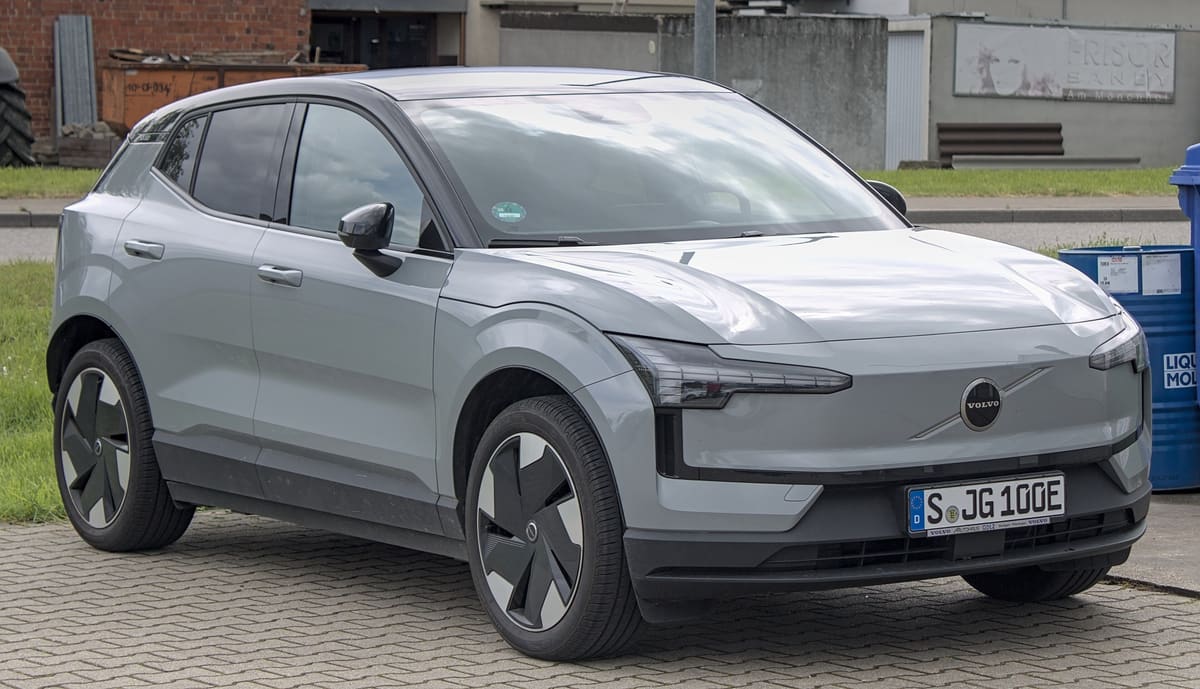
The Volvo EX30’s running costs are influenced primarily by its electric powertrain, insurance grouping, servicing demands, and residual values. Its zero tailpipe emissions mean favourable tax treatment, while insurance depends on factors like safety features and repair costs. Servicing is generally less frequent and less costly than petrol or diesel cars, and its strong brand reputation supports decent resale values.
How Vehicle Tax Affects the Volvo EX30
The EX30 benefits from the UK’s tax system that favours electric vehicles. Since it produces no tailpipe emissions, it typically qualifies for zero or reduced Vehicle Excise Duty (VED), making annual tax payments significantly lower than those for combustion-engine cars. This tax advantage is a key factor in the overall cost of ownership.
Electric vehicles like the EX30 are exempt from the standard first-year rate of VED, which is usually based on CO2 emissions. After the initial period, the ongoing tax cost remains minimal or zero, depending on government policy changes. This can result in substantial savings over the life of the car, especially compared to petrol or diesel models that attract higher rates due to their emissions.
Additionally, electric cars often qualify for other government incentives or exemptions, such as congestion charge discounts or exemptions in certain cities, further reducing running costs. However, it is important to check the latest government guidance on gov.uk for any updates or changes to these schemes.
Insurance Group and What Influences It
The insurance group of the Volvo EX30 is shaped by a combination of factors including repair costs, safety features, and the car’s performance profile. Volvo’s reputation for safety and the EX30’s advanced driver assistance systems can help keep insurance groups moderate, but the cost of parts and the complexity of electric vehicle repairs may push premiums higher.
Insurance groups are assigned based on the estimated cost to repair or replace the car after an accident. The EX30’s use of electric components and potentially expensive battery repairs can increase these costs. However, its compact size and lower power output compared to larger electric SUVs may help keep it in a more affordable insurance bracket.
Safety technology such as automatic emergency braking, lane-keeping assist, and collision avoidance systems can reduce the likelihood of accidents and claims, which insurers favour. Drivers should obtain insurance quotes specific to their circumstances and chosen trim, as factors like driver age, location, and claims history also play significant roles.
Servicing and Maintenance Demands
The Volvo EX30’s electric drivetrain means it requires less routine servicing than traditional petrol or diesel cars. There are fewer moving parts, no oil changes, and less wear on components like brakes thanks to regenerative braking. This generally translates to lower maintenance costs and fewer visits to the garage.
Electric vehicles still need regular checks on tyres, brakes, suspension, and software updates. Volvo’s approach to servicing electric models includes scheduled inspections to ensure battery health and electrical systems are functioning correctly. These checks are often less frequent and simpler than those for combustion engines, which can reduce labour costs.
However, when servicing is needed, parts specific to electric vehicles, such as battery cooling systems or electric motors, may be more expensive to repair or replace. It is advisable to follow Volvo’s recommended servicing schedule and use authorised service centres to maintain warranty coverage and ensure the car remains in optimal condition.
Depreciation and Residual Value
Volvo’s strong brand image and the growing popularity of electric vehicles help the EX30 retain value reasonably well compared to some rivals. Demand for used electric cars is increasing, which supports better resale values, though depreciation can still be influenced by factors such as battery warranty, mileage, and technological advancements.
Residual values for electric vehicles tend to improve as the market matures and charging infrastructure expands. The EX30’s compact size and premium positioning may appeal to a wide range of buyers, helping it hold value. However, rapid developments in battery technology and range improvements in newer models can impact the desirability of older electric cars.
Battery health is a critical consideration for buyers of used electric vehicles. Volvo’s warranty on the battery and the car’s overall reliability record will influence depreciation. Prospective owners should consider these factors alongside the vehicle’s condition and service history when assessing future resale value.
Charging Costs and Energy Efficiency
While not a traditional running cost like fuel, charging the Volvo EX30 is a key expense to consider. Electricity costs vary depending on where and when you charge, with home charging generally being the most economical option. Public rapid chargers may cost more per unit of energy but offer convenience for longer journeys.
The EX30’s energy efficiency affects how often and how much it needs to be charged. Smaller, lighter electric cars tend to be more efficient, reducing the cost per mile. Drivers can manage charging costs by using off-peak electricity tariffs and planning charging sessions to suit their driving patterns.
It is also worth noting that installing a home charger involves an upfront investment, but this can be offset by the lower running costs of electric motoring over time. Government grants or incentives may be available to help with installation costs, so checking current schemes is advisable.
Tyre and Wear-Related Costs
Tyres on the Volvo EX30 may wear differently compared to petrol or diesel cars due to the instant torque delivery of electric motors. This can lead to increased tyre wear if the car is driven aggressively. Choosing tyres designed for electric vehicles can help manage this wear and maintain efficiency.
Electric cars are often fitted with low rolling resistance tyres to maximise range, which can be more expensive than standard tyres but contribute to lower energy consumption. Regular tyre maintenance, including correct pressures and alignment, is important to ensure safety and minimise running costs.
Other wear-related components such as brake pads tend to last longer on electric vehicles because of regenerative braking, which reduces reliance on friction brakes. This can lead to savings over time, although replacement costs for specialised parts should still be factored into ownership expenses.
Volvo EX30 recall record
3 recalls have been issued for the Volvo EX30, between 2024 and 2026.
Seat Recliner
R/2026/043Issued 10 February 2026
On affected vehicles equipped with manually operated front seats there is a potential issue on the front seats due to insufficient welding strength between the recliner and the lower bracket on the seat backrest which may compromise the backrest’s ability to provide optimal occupant protection in the event of an impact.
Remedy:Inspect both front seats and install additional brackets as required.
Affects cars built Nov 2024 to Apr 2025
HV Battery
R/2025/559Issued 22 January 2026
On affected vehicles following charging there is a risk of an overheating High Voltage Battery Cell which could lead to a risk of fire.
Remedy:Volvo Cars is confident that limiting the battery s maximum state of charge to 70% will eliminate the risk of overheating. Additionally we would advise the following precautions. Do not leave your vehicle unattended whilst charging within buildings or covered areas. If you see any vehicle warnings in the car or app during or after charging seek assistance. The HV Battery modules will be inspected and replaced.
Affects cars built Sept 2023 to Aug 2025
DHU Update
R/2024/205Issued 10 May 2024
A software error has been identified in relation to the display. In rare cases this could cause the screen to enter a “test mode” during vehicle start-up which will prevent key information including the vehicle speed from being displayed.
Remedy:The solution is updated software available via OTA (over the air) or at a Volvo retailer.
Affects cars built Sept 2023 to Apr 2024
A recall applies to a build range, not to every car of this model. Check a registration to see whether one specific vehicle has an outstanding recall.
Volvo EX30 official figures
Median across 20 variants on sale, electricity.
- Electric range
- 280 miles
- Manufacturer WLTP figure
Official figures for new cars. Real economy varies with driving, load and conditions.
Frequently asked questions
What should I expect in terms of battery maintenance for the Volvo EX30?
The Volvo EX30 uses a high-voltage battery pack that requires minimal routine maintenance. However, it’s important to monitor the battery management system via the dashboard warning lights. If you notice a persistent battery warning, a diagnostic check at a Volvo specialist is recommended.
How often does the Volvo EX30 need brake fluid changes?
Brake fluid in the EX30 should be replaced roughly every two years to maintain braking performance. The car’s regenerative braking system reduces wear on brake pads, but the fluid still needs checking during regular service intervals to avoid moisture buildup.
Are tyre replacements on the Volvo EX30 more frequent due to its electric drivetrain?
Electric vehicles like the EX30 often have instant torque, which can lead to faster tyre wear, especially on the front tyres. Regularly inspect the tread depth and look for uneven wear patterns. Rotating tyres during servicing helps extend their lifespan.
What are the typical servicing requirements for the Volvo EX30’s electric motor?
The electric motor in the EX30 is largely maintenance-free but should be inspected during scheduled services for any unusual noises or vibrations. Technicians will also check the cooling system that keeps the motor and battery at optimal temperatures.
Does the Volvo EX30 require any special checks for its software updates?
Yes, the EX30 receives over-the-air software updates that can improve efficiency and add features. It’s advisable to connect the car to Wi-Fi regularly or visit a Volvo dealer to ensure the latest software is installed, which can affect running costs indirectly.
How can I monitor the health of the Volvo EX30’s 12V battery?
The 12V battery powers auxiliary systems and should be checked if you experience warning lights or issues with electronics. A simple voltage test during servicing can reveal its condition, and replacement is usually straightforward at a garage.
What should I look out for regarding the Volvo EX30’s charging port and cables?
Inspect the charging port regularly for dirt or damage, as poor connections can cause charging interruptions. Also, check the charging cables for wear or fraying. Any damage should be addressed promptly to avoid charging faults or safety hazards.
Are there any specific warning lights on the Volvo EX30 that indicate costly repairs?
The EX30 features specific warning lights for the battery and electric drivetrain. A persistent orange battery symbol or a triangle with an exclamation mark should prompt a visit to a Volvo service centre. Early diagnosis can prevent more expensive repairs.
Sources
- VCA new car fuel consumption and emissions data (Open Government Licence v3.0)
- DVSA vehicle safety recalls (Open Government Licence v3.0)