Running costs
Volkswagen Touareg running costs: what UK ownership really costs
Volkswagen Touareg UK running costs: fuel or electric, insurance group, road tax, servicing and depreciation.
Updated 17th October 2026 DVSA data: Across 36,359 recorded MOT tests, 19.4% failed.
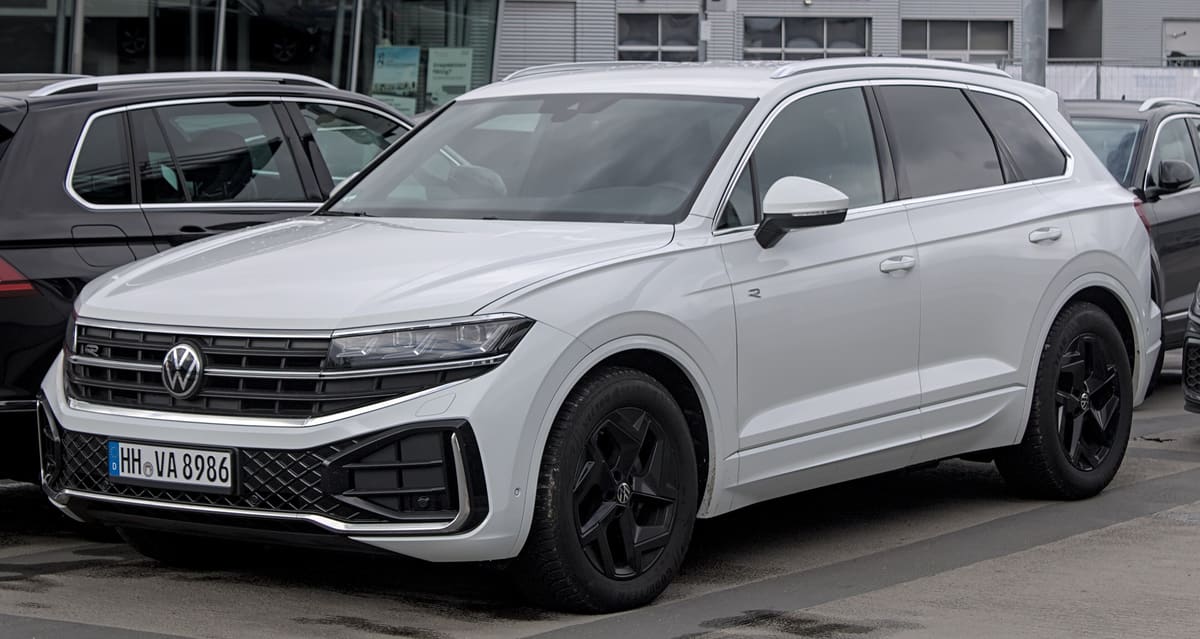
The Volkswagen Touareg’s running costs are influenced by factors such as its engine size and emissions, which affect tax rates; its insurance group, shaped by repair costs and safety features; the complexity and frequency of servicing; and its depreciation rate. Overall, it sits in a moderate to high cost bracket compared to other premium SUVs, reflecting its size, technology, and brand positioning.
Vehicle Tax and Its Impact on Running Costs
The cost of vehicle tax for the Volkswagen Touareg depends primarily on its CO2 emissions and fuel type. Petrol and diesel versions are taxed differently, with diesel models potentially facing higher rates if they do not meet the latest emissions standards. This system encourages buyers to consider cleaner engines or hybrids to reduce annual tax bills.
The government’s vehicle tax system is designed to penalise higher-emission vehicles more heavily, so larger engines or older models with less efficient emissions control will attract higher charges. Plug-in hybrid versions may benefit from reduced or zero tax for a period, but this advantage diminishes as the battery ages or if the electric-only range is limited.
Prospective owners should consult the official government website to check the exact tax band for the specific Touareg variant they are interested in, as this can vary significantly between trims and engine options.
Insurance Group and Factors Influencing Premiums
The Volkswagen Touareg generally falls into a moderate to high insurance group due to its size, repair costs, and the value of its components. Insurance groups are influenced by factors such as engine power, safety equipment, and the cost of replacement parts, all of which affect the likelihood and cost of claims.
Advanced safety features fitted as standard can help reduce premiums by lowering the risk of injury or accident. However, the luxury positioning of the Touareg means that repairs can be expensive, especially if specialist parts or technology are involved, pushing insurance costs upward.
Drivers can obtain personalised insurance quotes from comparison websites or insurers to understand how their own circumstances, such as age, location, and driving history, will affect the premium. The official government insurance database provides guidance on typical insurance groups for different models.
Servicing Demands and Maintenance Costs
Servicing a Volkswagen Touareg tends to be more demanding and costly than smaller or more mainstream vehicles due to its size, complexity, and premium components. Regular maintenance includes oil changes, brake checks, and inspections of electronic systems, with intervals varying by model and engine type.
Diesel engines may require additional attention to components like diesel particulate filters, which can add to servicing costs if not properly maintained. Hybrid variants have their own specific servicing needs, including battery health checks and cooling system inspections.
Routine servicing at authorised dealers or specialist garages ensures the vehicle remains reliable and retains its warranty, but this often comes at a premium compared to non-premium brands. Owners may find some savings by shopping around for independent specialists familiar with Volkswagen’s technology.
Fuel and Tyre Costs
Fuel consumption is a significant part of the Touareg’s running costs, influenced by engine size, driving style, and load. Larger engines and heavier models consume more fuel, which can be costly given current fuel prices. Hybrid versions offer some relief by allowing short electric-only journeys, but this depends on driving patterns.
Tyres for the Touareg tend to be larger and may be fitted with run-flat or performance variants, which are more expensive to replace than standard tyres. The vehicle’s weight and off-road capability also mean tyres wear faster under certain conditions, such as rough terrain or heavy towing.
Choosing tyres with a good balance of durability and fuel efficiency can help manage costs. Regular checks and proper inflation extend tyre life and improve fuel economy, reducing overall running expenses.
Depreciation and Residual Value
The Volkswagen Touareg’s depreciation is influenced by its initial purchase price, brand perception, and market demand for premium SUVs. As a luxury model, it tends to retain value better than some mainstream SUVs but not as strongly as top-tier luxury brands.
Factors such as mileage, condition, and service history significantly affect resale value. Well-maintained examples with full service records and desirable specifications command higher prices on the used market.
Newer models with updated technology and emissions compliance typically hold value better, while older or high-mileage vehicles depreciate faster. Buyers should consider the expected depreciation when budgeting for the total cost of ownership.
Summary of Running Costs Compared to Similar Vehicles
Compared to other premium SUVs, the Volkswagen Touareg’s running costs are moderate to high. Its tax liability reflects its size and emissions profile, insurance premiums are influenced by repair costs and safety features, and servicing demands are above average due to its complexity.
Fuel and tyre expenses are significant, especially for larger engines or off-road use. Depreciation is reasonable within its segment but should be factored into long-term ownership costs.
Prospective owners should carefully assess the specific trim and engine options they are interested in, as running costs can vary widely. Consulting official government resources for tax and insurance group information, alongside obtaining personalised insurance quotes, will provide a clearer picture of the financial commitment involved.
Volkswagen Touareg MOT record
From 36,359 recorded MOT tests, 19.4% failed.
| Registered | Tests | Failed | Median mileage |
|---|---|---|---|
| 2022 | 1,009 | 7.1% | 30,535 mi |
| 2021 | 1,932 | 7.6% | 39,788 mi |
| 2020 | 1,903 | 7.5% | 47,079 mi |
| 2019 | 2,827 | 14.8% | 56,264 mi |
| 2018 | 1,536 | 14.6% | 63,312 mi |
| 2017 | 3,233 | 21.3% | 72,182 mi |
| 2016 | 3,805 | 18.7% | 81,902 mi |
| 2015 | 4,090 | 20.7% | 90,368 mi |
Most common reasons for failure
- Tyre tread depth not in accordance with the requirements32.3%
- A spring or spring component fractured or seriously weakened26.2%
- A suspension pin, bush or joint excessively worn15.6%
- a brake lining or pad worn below 1.5mm13.3%
- A tyre seriously damaged12.6%
Figures cover every Volkswagen Touareg tested in the DVSA dataset, not this specific car. Check a registration for the actual history of one vehicle.
Volkswagen Touareg official figures
Median across 4 variants on sale, diesel, electricity / petrol.
- Combined economy
- 33.6 mpg
- WLTP median across variants
- CO2 emissions
- 217 g/km
- Sets the first-year tax rate
Official figures for new cars. Real economy varies with driving, load and conditions.
Frequently asked questions
How often does the Volkswagen Touareg need servicing?
Volkswagen recommends servicing the Touareg roughly every 12 months or after a certain mileage, whichever comes first. During a service, mechanics typically check the air filter, brake pads, and oil condition to keep the engine running smoothly.
What should I watch out for regarding the Touareg’s diesel particulate filter?
The diesel particulate filter (DPF) can become clogged if the car is mostly used for short trips. You might notice a warning light on the dashboard or reduced engine power. A forced regeneration procedure at a garage can clear the blockage.
Are Volkswagen Touareg tyres expensive to replace?
The Touareg uses larger, often all-terrain tyres which can wear faster depending on driving style. Checking tyre tread depth regularly and rotating tyres can extend their life. Replacement involves specific sizes that suit the vehicle’s weight and off-road capability.
Does the Touareg have any known issues with its air suspension system?
Some Touareg models feature air suspension that can develop leaks or compressor faults over time. If you notice the vehicle sitting unevenly or a hissing noise, it’s worth having the suspension checked. Repairs often involve replacing air springs or the compressor unit.
What impact does the Touareg’s four-wheel drive system have on running costs?
The four-wheel drive system adds complexity and can increase wear on components like the transfer case and differentials. Regular oil changes for these parts are important to avoid damage. Watch for unusual noises when turning, which may indicate drivetrain issues.
How reliable is the Touareg’s electrical system in terms of running costs?
The Touareg has a sophisticated electrical system controlling features like adaptive headlights and infotainment. Electrical faults can cause warning lights or malfunctioning accessories. Diagnosing these often requires specialised diagnostic tools at a garage.
What should I check regarding the Touareg’s brake system to manage running costs?
Brake pads and discs on the Touareg can wear quicker due to the vehicle’s weight. Listen for squealing noises or feel for vibrations when braking. Regular inspections and timely replacement of pads and discs help maintain safety and avoid more costly repairs.
Is the Touareg’s engine oil consumption something to monitor?
Some Touareg engines may consume more oil between services, especially if driven hard or in stop-start traffic. Check the oil level regularly using the dipstick and top up if needed. Persistent low oil levels should be investigated to prevent engine damage.
Sources
- DVSA anonymised MOT tests and results (Open Government Licence v3.0)
- VCA new car fuel consumption and emissions data (Open Government Licence v3.0)