Running costs
Volkswagen T-Cross running costs: what UK ownership really costs
Volkswagen T-Cross UK running costs: fuel or electric, insurance group, road tax, servicing and depreciation.
Updated 1st October 2026 DVSA data: Across 30,668 recorded MOT tests, 9.8% failed.
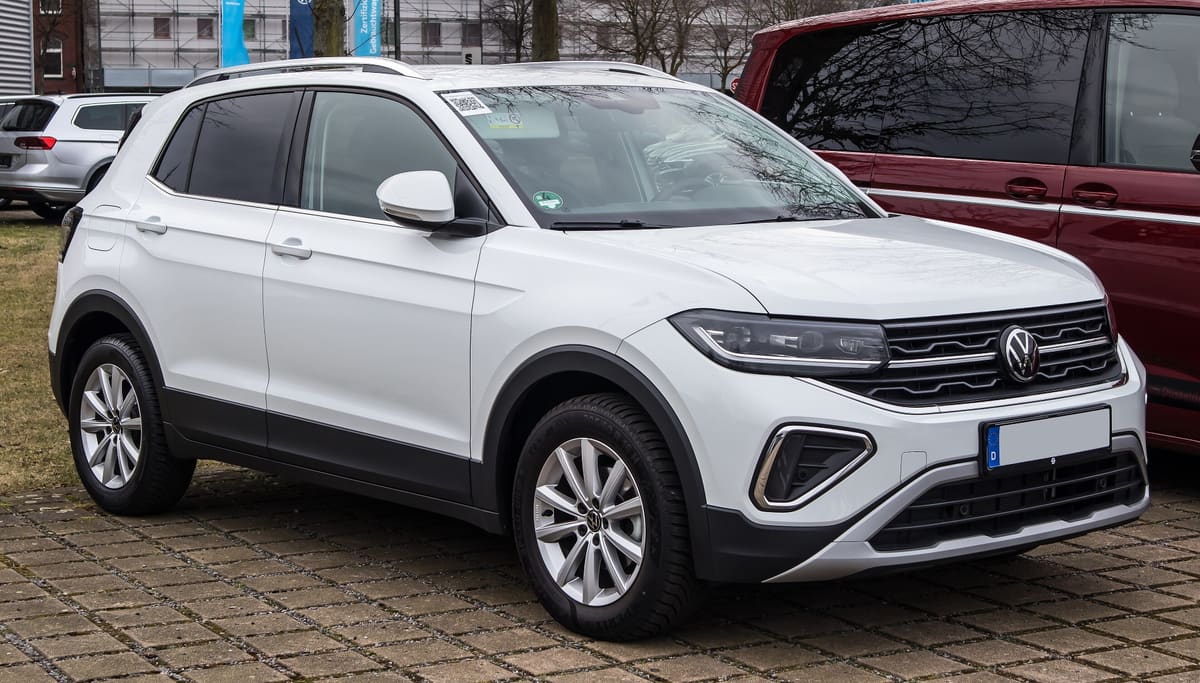
The Volkswagen T-Cross offers reasonable running costs for a small SUV, with factors like insurance group, road tax, servicing frequency, and depreciation influencing overall expenses. Its tax treatment depends on engine size and emissions, insurance costs vary with model and driver profile, servicing is straightforward but not the cheapest, and it tends to hold value well compared to rivals.
How Vehicle Excise Duty (Road Tax) Affects the T-Cross
The cost of road tax for the Volkswagen T-Cross depends primarily on its engine size and CO2 emissions, which determine the Vehicle Excise Duty (VED) band it falls into. Petrol and diesel variants are taxed differently, with diesel models often subject to additional surcharges if they do not meet certain emissions standards.
Newer T-Cross models registered after a specific date are subject to a first-year rate based on emissions, followed by a standard rate thereafter. The exact tax band can vary significantly between trims and engine options, so it is important to check the official government website for the current rates applicable to the specific model you are considering.
For drivers looking to minimise tax, smaller petrol engines or mild-hybrid variants tend to attract lower VED charges. Diesel versions, while sometimes more economical on fuel, may incur higher tax costs if they do not meet the latest emissions criteria. Overall, the T-Cross’s tax treatment is typical for a compact SUV in its class, with no unusual penalties or incentives.
Insurance Group and What Influences It
The Volkswagen T-Cross is generally placed in moderate insurance groups, reflecting its size, engine options, and safety features. Insurance groups are determined by factors such as repair costs, vehicle performance, and the likelihood of theft or accident claims, all of which impact premiums.
Higher-powered versions or those with more advanced equipment may fall into higher insurance groups, increasing the cost to insure. Conversely, entry-level trims with smaller engines and fewer extras typically have lower insurance groups. The safety record of the T-Cross, including standard driver assistance systems, can help keep insurance costs reasonable by reducing the risk of claims.
Insurance premiums also depend heavily on the driver’s profile, including age, location, and driving history. Obtaining a personalised quote from an insurance provider is essential to understand the true cost of insuring a T-Cross. Comparing quotes and considering telematics or black box insurance can further influence the final premium.
Servicing and Maintenance Demands
The Volkswagen T-Cross requires regular servicing to maintain reliability and warranty coverage, with intervals typically set by the manufacturer’s schedule. Routine maintenance includes oil changes, filter replacements, brake inspections, and checks on essential fluids and components.
Servicing costs for the T-Cross are generally in line with other vehicles in the small SUV segment. While Volkswagen parts and labour rates may be slightly higher than budget brands, the T-Cross benefits from widespread dealer networks and availability of parts, helping to keep maintenance manageable.
Some trims may feature mild-hybrid technology or turbocharged engines, which can influence servicing complexity and costs. However, the T-Cross is not known for particularly demanding or expensive maintenance compared to other vehicles in its class. Regular servicing helps preserve the vehicle’s performance and resale value.
Fuel Economy and Its Impact on Running Costs
Fuel consumption is a significant factor in the running costs of any vehicle, and the T-Cross offers a range of petrol and diesel engines designed to balance performance with efficiency. Smaller engines and mild-hybrid variants typically provide better fuel economy, reducing the amount spent on fuel over time.
Driving style, traffic conditions, and load also affect real-world fuel consumption, so official figures should be treated as a guide rather than a guarantee. The T-Cross’s compact size and modern engine technology generally contribute to competitive fuel efficiency within the small SUV category.
Choosing the right engine and transmission combination for your typical driving needs can help optimise fuel costs. For example, manual gearboxes may offer better economy in some cases, while automatic transmissions provide convenience but could slightly increase consumption.
Depreciation and How Well the T-Cross Holds Its Value
The Volkswagen T-Cross tends to retain its value reasonably well compared to other small SUVs, benefiting from the brand’s reputation for build quality and a strong residual market. Depreciation is influenced by factors such as model popularity, reliability, and ongoing demand for used examples.
Trim levels, optional extras, and engine choices also affect resale values, with well-equipped and efficient models generally holding their worth better. Regular servicing and maintaining the vehicle in good condition are key to maximising resale prices.
Market trends and economic conditions can impact depreciation rates, but the T-Cross’s position as a practical, versatile compact SUV helps sustain interest among buyers. Prospective owners should consider how long they plan to keep the vehicle and factor in depreciation alongside other running costs.
Tyres, Repairs, and Other Running Expenses
Tyre wear and repair costs form part of the ongoing expenses of owning a Volkswagen T-Cross. The vehicle typically uses tyres sized for compact SUVs, which are widely available and competitively priced, though opting for larger alloy wheels or premium tyres can increase replacement costs.
Repairs outside of warranty may be more costly if dealer servicing is preferred, but independent garages familiar with Volkswagen models offer a more affordable alternative. The T-Cross’s mechanical simplicity compared to larger SUVs means repair bills are generally manageable.
Other running costs include MOT tests, which are required annually after the vehicle reaches a certain age, and occasional replacement of consumables like brake pads and wiper blades. Budgeting for these routine expenses helps provide a clearer picture of the total cost of ownership.
Volkswagen T-Cross MOT record
From 30,668 recorded MOT tests, 9.8% failed.
| Registered | Tests | Failed | Median mileage |
|---|---|---|---|
| 2023 | 374 | 4.0% | 17,595 mi |
| 2022 | 7,318 | 6.3% | 21,054 mi |
| 2021 | 8,874 | 8.0% | 26,868 mi |
| 2020 | 7,407 | 11.2% | 31,572 mi |
| 2019 | 6,695 | 14.8% | 36,033 mi |
Most common reasons for failure
- A tyre seriously damaged30.7%
- a brake lining or pad worn below 1.5mm26.9%
- Tyre tread depth not in accordance with the requirements19.7%
- Brake disc or drum excessively weakened, insecure or fractured15.3%
- Steering rack gaiter or ball joint dust cover missing or no longer prevents the ingress of dirt etc7.3%
Figures cover every Volkswagen T-Cross tested in the DVSA dataset, not this specific car. Check a registration for the actual history of one vehicle.
Volkswagen T-Cross official figures
Median across 31 variants on sale, petrol.
- Combined economy
- 49.6 mpg
- WLTP median across variants
- CO2 emissions
- 131 g/km
- Sets the first-year tax rate
Official figures for new cars. Real economy varies with driving, load and conditions.
Frequently asked questions
What should I expect for routine servicing costs on a Volkswagen T-Cross?
Routine servicing typically involves oil and filter changes, checking the brake pads, and inspecting the air filter. The T-Cross uses a specific oil grade recommended by Volkswagen, so ensure your garage follows the service schedule in the handbook to keep the DSG gearbox and turbocharged engine in good condition.
Are there any particular parts on the T-Cross that wear out faster than others?
The T-Cross’s clutch can show wear if driven aggressively, especially on manual models. Watch for a slipping clutch pedal or difficulty changing gears. Also, the front brake discs may need attention sooner if you do a lot of city driving with frequent stops.
How can I check if the T-Cross’s timing belt needs replacing?
Volkswagen recommends inspecting the timing belt at specific intervals detailed in the service manual. You can ask your mechanic to check for cracks or fraying during a service. A worn timing belt can cause engine misfires or a warning light on the dashboard, so it’s important to keep up with this maintenance.
Does the Volkswagen T-Cross have any known issues with its electrical system that affect running costs?
Some owners report occasional problems with the infotainment system or sensors, which can trigger warning lights like the engine management light. These issues usually require a diagnostic check at a garage to reset or replace faulty components such as the battery or alternator.
What should I look out for regarding tyre wear on the T-Cross?
Uneven tyre wear can be a sign of misalignment or suspension issues. The T-Cross’s front suspension components, like the wishbones and anti-roll bar links, should be checked if you notice pulling to one side or vibrations. Regularly inspect the tyres for tread depth and sidewall damage.
Is the Volkswagen T-Cross expensive to insure compared to other small SUVs?
Insurance costs depend on your personal details and the exact trim of the T-Cross. However, the car’s safety features like multiple airbags and electronic stability control can help keep premiums reasonable. It’s best to get quotes from several insurers to find the best deal.
How often should the brake fluid be changed on a Volkswagen T-Cross?
Brake fluid should be replaced every two years to maintain braking performance and prevent moisture buildup, which can cause corrosion in the brake system. This is a standard procedure during servicing and helps avoid costly repairs to components like the ABS module.
Are there any specific checks I can do to monitor the health of the T-Cross’s DSG gearbox?
Listen for unusual noises or hesitation when changing gears, which might indicate DSG issues. You can also check for warning lights related to transmission faults. Regular servicing with the correct DSG fluid change is crucial to avoid expensive repairs to the mechatronics unit.
Sources
- DVSA anonymised MOT tests and results (Open Government Licence v3.0)
- VCA new car fuel consumption and emissions data (Open Government Licence v3.0)