Running costs
Volkswagen Passat running costs: what UK ownership really costs
Volkswagen Passat UK running costs: fuel or electric, insurance group, road tax, servicing and depreciation.
Updated 15th October 2026 DVSA data: Across 174,863 recorded MOT tests, 24.0% failed.
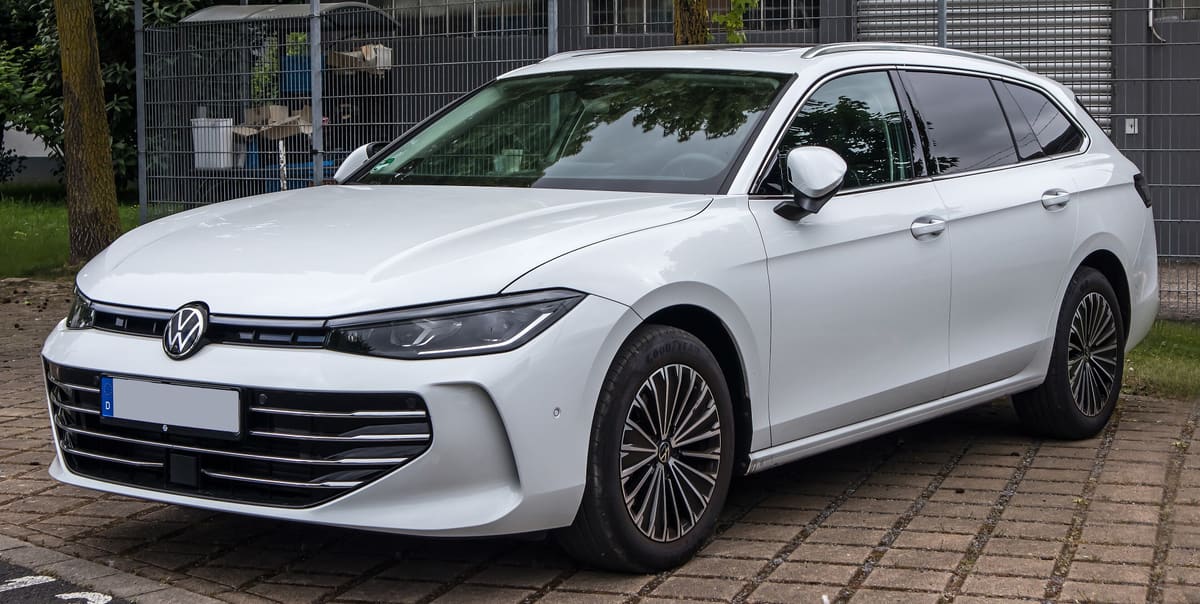
The Volkswagen Passat’s running costs are influenced by several factors including its tax band, insurance group, servicing requirements, and depreciation. Its tax liability depends on engine type and emissions, insurance costs vary with model and driver profile, servicing is generally straightforward but can be pricier than smaller cars, and it tends to hold value reasonably well due to its reputation and build quality.
Vehicle Tax and Emissions Impact
The cost of vehicle tax for a Volkswagen Passat is primarily determined by its engine type and emissions output. Petrol and diesel versions are taxed differently under the UK’s Vehicle Excise Duty system, with diesel models often facing higher charges if they do not meet the latest emissions standards. Plug-in hybrid and electric variants benefit from lower or zero tax rates, reflecting government incentives to encourage cleaner vehicles.
The government’s official website provides detailed information on how tax bands are assigned based on CO2 emissions and fuel type. Buyers should check the exact tax band for the specific Passat trim and engine they are considering, as this can vary significantly. Higher-emission models will attract increased annual tax costs, which can add up over the years of ownership.
Insurance Group and Premium Influences
Insurance costs for the Passat are influenced by its insurance group rating, which takes into account factors such as repair costs, vehicle performance, and theft risk. The Passat typically falls into mid-range insurance groups, reflecting its status as a family saloon with moderate performance and solid safety features.
Drivers’ personal details, including age, driving history, and location, also play a significant role in insurance premiums. The Passat’s size and power can push premiums higher than smaller hatchbacks, but its reputation for reliability and safety can help keep costs reasonable. Obtaining quotes from multiple insurers is advisable to find the best deal tailored to individual circumstances.
Servicing and Maintenance Demands
Servicing a Volkswagen Passat is generally straightforward, but costs can be higher than for smaller or less complex vehicles. Routine maintenance includes oil and filter changes, brake checks, and inspections of key components such as tyres and suspension. The Passat’s build quality means it is not typically prone to frequent mechanical issues, but parts and labour for German-engineered cars can be more expensive.
The servicing schedule varies depending on the engine and model year, with some requiring more frequent oil changes or additional checks for emissions equipment. It is important to follow the manufacturer’s recommended service intervals to maintain warranty coverage and ensure the car runs efficiently. Independent garages can offer competitive servicing rates, but using a Volkswagen specialist may be beneficial for more complex repairs.
Fuel Economy and Running Efficiency
Fuel costs are a significant part of running a Passat, with efficiency varying widely across petrol, diesel, and hybrid models. Diesel versions often offer better fuel economy on longer journeys, while petrol engines may be more economical for shorter, urban trips. Hybrid models can reduce fuel consumption further by using electric power for part of the drive.
Driving style and maintenance also affect fuel efficiency. Smooth acceleration, regular servicing, and correct tyre pressures all contribute to lower running costs. Prospective buyers should review fuel economy figures for the specific Passat variant they are interested in, as these can differ markedly between trims and engine options.
Depreciation and Resale Value
The Volkswagen Passat tends to hold its value reasonably well compared to many other large family cars. Its strong brand reputation, build quality, and broad appeal contribute to steady demand on the used car market. However, depreciation rates vary depending on factors such as mileage, condition, and specification.
Diesel models may depreciate faster if emissions regulations tighten, while petrol and hybrid versions might retain value better in certain markets. Keeping the car well maintained and retaining full service history can help maximise resale value. Buyers should consider how long they intend to keep the Passat and factor potential depreciation into their overall running cost calculations.
Volkswagen Passat MOT record
From 174,863 recorded MOT tests, 24.0% failed.
| Registered | Tests | Failed | Median mileage |
|---|---|---|---|
| 2022 | 2,438 | 10.5% | 42,486 mi |
| 2021 | 3,628 | 10.5% | 55,630 mi |
| 2020 | 5,757 | 10.1% | 58,426 mi |
| 2019 | 7,249 | 12.1% | 67,721 mi |
| 2018 | 10,716 | 13.8% | 82,043 mi |
| 2017 | 13,820 | 16.0% | 94,074 mi |
| 2016 | 14,895 | 17.0% | 105,489 mi |
| 2015 | 15,167 | 18.8% | 115,196 mi |
Most common reasons for failure
- Tyre tread depth not in accordance with the requirements31.5%
- A suspension pin, bush or joint excessively worn30.7%
- A suspension component excessively damaged or corroded13.2%
- A spring or spring component fractured or seriously weakened12.9%
- A tyre seriously damaged11.8%
Figures cover every Volkswagen Passat tested in the DVSA dataset, not this specific car. Check a registration for the actual history of one vehicle.
Volkswagen Passat official figures
Median across 22 variants on sale, electricity / petrol, petrol, petrol electric.
- Combined economy
- 50.4 mpg
- WLTP median across variants
- CO2 emissions
- 127 g/km
- Sets the first-year tax rate
Official figures for new cars. Real economy varies with driving, load and conditions.
Frequently asked questions
What should I check to keep the Volkswagen Passat’s diesel particulate filter in good condition?
Regularly driving the Passat on longer journeys helps prevent the diesel particulate filter from clogging. You can also watch for the DPF warning light on the dashboard, which signals when regeneration is needed or if there’s a fault.
How often does the timing belt need replacing on a Volkswagen Passat?
The timing belt replacement interval varies by engine type, so it’s important to consult your specific model’s service schedule. A worn timing belt can cause engine damage, so having a garage inspect it during routine servicing is advisable.
Are Volkswagen Passat brake pads expensive to replace?
Brake pad wear depends on your driving style and conditions. The Passat uses ventilated discs at the front, which generally require replacement when you hear squealing noises or feel reduced braking performance. A garage can quickly check pad thickness during a service.
What are the typical signs of a failing water pump in a Volkswagen Passat?
Watch out for coolant leaks under the car or an overheating engine, which can indicate water pump issues. The water pump is crucial for engine cooling, so if you notice steam or a sweet smell, it’s best to have it inspected promptly.
Does the Volkswagen Passat require special oil for its engine?
Volkswagen recommends using oils that meet their specific VW 507.00 or VW 504.00 standards, depending on the engine. Using the correct oil helps maintain engine health and can prevent issues with components like the variable valve timing system.
How can I check if the Passat’s battery is in good condition?
A simple test is to start the car and observe if the engine cranks slowly or if dashboard lights dim. The Passat’s battery supports features like start-stop, so a garage can perform a load test to assess its health during servicing.
What maintenance is needed for the Volkswagen Passat’s DSG gearbox?
The dual-clutch DSG gearbox requires regular fluid and filter changes to ensure smooth gear shifts. Ignoring this can lead to jerky changes or warning lights on the dash. A specialist garage will follow Volkswagen’s service intervals for this task.
Are tyre replacements on the Volkswagen Passat costly or frequent?
Tyre wear depends on driving habits and road conditions. The Passat often uses low-profile tyres, which can wear faster and need checking for tread depth regularly. Uneven wear might also suggest a wheel alignment check is needed.
Sources
- DVSA anonymised MOT tests and results (Open Government Licence v3.0)
- VCA new car fuel consumption and emissions data (Open Government Licence v3.0)