Running costs
Vauxhall Combo running costs: what UK ownership really costs
Vauxhall Combo UK running costs: fuel or electric, insurance group, road tax, servicing and depreciation.
Updated 28th September 2026 DVSA data: Across 103,045 recorded MOT tests, 28.8% failed.
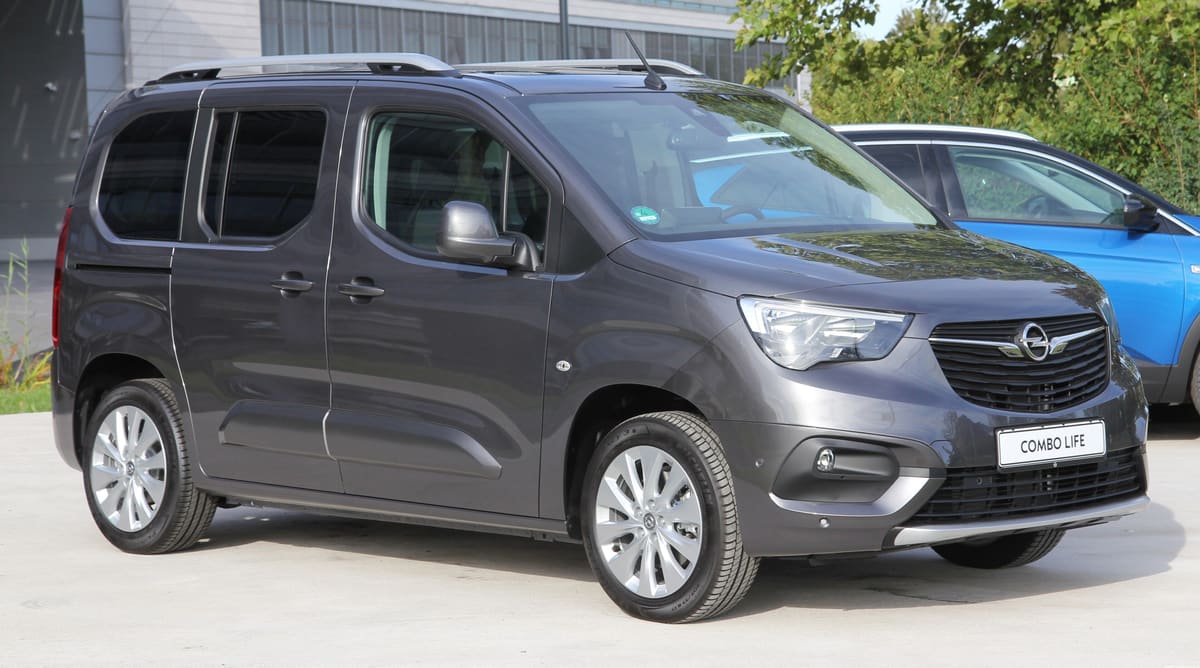
The Vauxhall Combo’s running costs are influenced primarily by its fuel consumption, insurance group, road tax category, servicing needs, and depreciation. Its practical nature and commercial vehicle roots tend to keep some costs moderate, but factors like engine choice and trim level can affect insurance and tax. Understanding these elements helps owners budget effectively for ownership.
Road Tax and How It Affects Running Costs
The Vauxhall Combo is often classified under commercial or light van categories for vehicle tax purposes, which can result in a different tax treatment compared to passenger cars. The tax system in the UK bases charges on factors such as CO2 emissions, fuel type, and vehicle weight, with some commercial vehicles benefiting from lower rates or exemptions.
Diesel versions of the Combo may attract different tax rates than petrol or electric variants, reflecting government policies aimed at reducing emissions. Additionally, newer models with cleaner engines might qualify for reduced or zero road tax, while older or higher-emission versions could incur higher charges.
Owners should consult the official government website to check the exact tax band applicable to their specific Combo model and engine variant. This ensures accurate budgeting for annual road tax, which can significantly affect the overall cost of running the vehicle.
Insurance Group and Its Impact on Premiums
Insurance costs for the Vauxhall Combo depend on its assigned insurance group, which considers factors such as engine size, repair costs, safety features, and theft risk. Vans like the Combo often fall into moderate insurance groups, but this can vary widely depending on the trim and engine.
Commercial use can sometimes increase insurance premiums, as insurers may view vans as higher risk due to their use in business activities or carrying valuable equipment. However, private owners might find insurance more affordable if the vehicle is used primarily for personal transport.
Prospective buyers should obtain insurance quotes tailored to their circumstances and the specific Combo model they are considering. This will give a clearer picture of expected premiums and help avoid surprises when budgeting for insurance.
Servicing and Maintenance Demands
The Vauxhall Combo’s servicing requirements are generally straightforward, reflecting its design as a practical, work-oriented vehicle. Regular maintenance includes oil and filter changes, brake inspections, and checks on key components like the suspension and tyres.
The frequency and cost of servicing can vary depending on engine type and mileage, with diesel engines sometimes requiring more attention to components like the particulate filter. Parts availability for the Combo is typically good, which helps keep repair and servicing costs reasonable.
Owners should follow the manufacturer’s recommended service schedule to maintain reliability and avoid costly repairs. Routine servicing also supports better fuel efficiency and resale value over time.
Fuel Consumption and Running Economy
Fuel costs are a major part of running a Vauxhall Combo and depend heavily on the engine choice and driving conditions. Diesel engines usually offer better fuel economy on longer journeys and when carrying heavy loads, while petrol variants might be more economical for lighter, urban use.
The Combo’s boxy shape and commercial design can affect aerodynamics, which influences fuel consumption, especially at higher speeds. Careful driving habits and regular maintenance also play a role in keeping fuel costs down.
Prospective buyers should check the fuel economy figures for the specific model and engine variant they are interested in, as these can vary significantly. This helps in estimating realistic running costs based on typical usage patterns.
Depreciation and Residual Value
The Vauxhall Combo tends to hold its value reasonably well within the light commercial vehicle market, partly due to its practicality and strong brand presence. However, depreciation rates can vary depending on factors like mileage, condition, and market demand for used vans.
Models with popular engine options and well-maintained service histories generally retain value better. Conversely, higher-mileage vehicles or those with less common specifications might see steeper depreciation.
Owners looking to minimise running costs should consider the expected resale value when choosing a Combo, as this affects the total cost of ownership. Keeping the vehicle in good condition and up to date with servicing can help preserve its value over time.
Vauxhall Combo recall record
36 recalls have been issued for the Vauxhall Combo, between 1995 and 2026.
BCM software update – Black screen
R/2026/335Issued 19 August 2026
On affected vehicles a software defect in the instrument cluster may prevent the cluster display from switching on when the vehicle is started resulting in a black screen.
Remedy:Update the Body Control Module software.
Affects cars built Jun 2025 to Mar 2026
BCM software missing telltale if LKA unavailable
R/2026/182Issued 27 April 2026
On affected vehicles the Lane Keep Assist tell-tale fails to illuminate if the front camera is blocked meaning no warning light appears in the instrument cluster.
Remedy:Update the Body Control Module software.
Affects cars built Apr 2024 to Apr 2025
Water pump pulley
R/2026/107Issued 13 March 2026
On affected vehicles due to a production nonconformity the water pump may malfunction which may cause a loss of engine power and result in the engine shutting down.
Remedy:Replace the water pump.
Affects cars built Oct 2025 to Feb 2026
Vauxhall Cross carline Fuel Injection common rail
R/2026/019Issued 21 January 2026
On affected vehicles a non-conformity issue with the fuel injection common rail may lead to a loosening of the nut and a potential fuel leak.
Remedy:Check the fuel injection common rail and if necessary replace the rail and high-pressure fuel pipes.
Affects cars built Jul 2025 to Oct 2025
32 older recalls not shown.
A recall applies to a build range, not to every car of this model. Check a registration to see whether one specific vehicle has an outstanding recall.
Vauxhall Combo MOT record
From 103,045 recorded MOT tests, 28.8% failed.
| Registered | Tests | Failed | Median mileage |
|---|---|---|---|
| 2022 | 6,471 | 17.0% | 34,871 mi |
| 2021 | 12,037 | 18.1% | 50,863 mi |
| 2020 | 13,417 | 17.5% | 56,792 mi |
| 2019 | 15,503 | 19.1% | 61,804 mi |
| 2018 | 2,867 | 25.3% | 71,908 mi |
| 2017 | 3,470 | 31.9% | 86,019 mi |
| 2016 | 4,817 | 33.0% | 97,683 mi |
| 2015 | 4,729 | 34.6% | 104,825 mi |
Most common reasons for failure
- Tyre tread depth not in accordance with the requirements34.5%
- A suspension pin, bush or joint excessively worn20.0%
- A spring or spring component fractured or seriously weakened16.8%
- Brake pipe damaged or excessively corroded15.0%
- A tyre seriously damaged13.7%
Figures cover every Vauxhall Combo tested in the DVSA dataset, not this specific car. Check a registration for the actual history of one vehicle.
Vauxhall Combo official figures
Median across 18 variants on sale, diesel, electricity.
- Combined economy
- 48.8 mpg
- WLTP median across variants
- CO2 emissions
- 151.5 g/km
- Sets the first-year tax rate
- Electric range
- 199.5 miles
- Manufacturer WLTP figure
Official figures for new cars. Real economy varies with driving, load and conditions.
Frequently asked questions
What should I check to keep Vauxhall Combo running costs low?
Regularly inspect the timing belt for wear, as a failure can lead to costly engine damage. Also, keep an eye on tyre pressure and replace air filters when dirty to maintain fuel efficiency and reduce overall running costs.
Are Vauxhall Combo parts expensive to replace?
Parts like brake pads and clutch components are generally affordable and widely available. However, components such as the turbocharger or diesel particulate filter can be pricier to repair or replace, so regular maintenance helps avoid these costs.
How does the Vauxhall Combo’s diesel engine affect running costs?
Diesel engines in the Combo tend to require more frequent oil changes and attention to the glow plugs. Watch for the glow plug warning light on the dashboard, which signals when these parts may need servicing to keep the engine running smoothly.
What impact does the Vauxhall Combo’s gearbox have on maintenance expenses?
Manual gearboxes in the Combo are generally straightforward to maintain, but clutch wear can increase running costs if you drive in heavy traffic often. Automatic versions may need regular fluid changes to avoid costly repairs.
How can I spot if the Vauxhall Combo’s suspension is causing extra costs?
Listen for knocking noises over bumps or uneven tyre wear, which can indicate worn shock absorbers or suspension bushes. Addressing these early prevents further damage and keeps repair bills down.
Does the Vauxhall Combo require special servicing for its electrical systems?
The Combo’s electrical components, such as the alternator and battery, should be checked regularly. A failing alternator can cause warning lights to appear and lead to battery drain, increasing running costs if not addressed promptly.
How often should I replace the Vauxhall Combo’s brake fluid to avoid issues?
Brake fluid should be replaced every couple of years to prevent moisture buildup, which can cause corrosion in the braking system. Neglecting this can lead to reduced braking performance and more expensive repairs.
What are signs that the Vauxhall Combo’s diesel particulate filter needs attention?
If you notice a loss of power or the check engine light comes on, the diesel particulate filter may be clogged. Regular long drives at higher speeds help regenerate the filter and avoid costly cleaning or replacement.
Sources
- DVSA anonymised MOT tests and results (Open Government Licence v3.0)
- VCA new car fuel consumption and emissions data (Open Government Licence v3.0)
- DVSA vehicle safety recalls (Open Government Licence v3.0)