Running costs
Vauxhall Astra running costs: what UK ownership really costs
Vauxhall Astra UK running costs: fuel or electric, insurance group, road tax, servicing and depreciation.
Updated 4th October 2026 DVSA data: Across 579,904 recorded MOT tests, 27.6% failed.
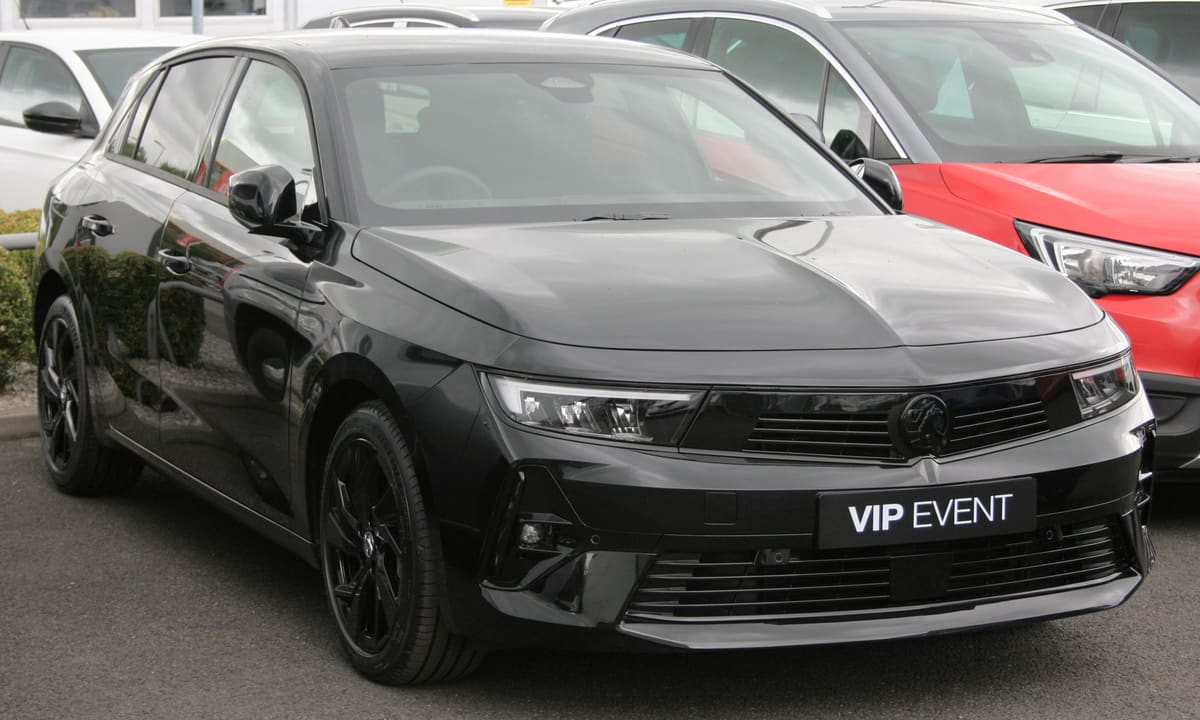
The Vauxhall Astra’s running costs are shaped by its tax banding, insurance group, servicing needs, and depreciation. Its moderate engine sizes and emissions influence road tax, while insurance depends on model and driver profile. Routine servicing is straightforward but varies by engine type. The Astra tends to hold value reasonably well, reflecting its popularity and practicality.
Vehicle Excise Duty and How It Affects Running Costs
The cost of road tax for a Vauxhall Astra depends primarily on its CO2 emissions and fuel type. Petrol and diesel variants are taxed differently, with diesel models often subject to additional surcharges if they do not meet certain emissions standards. Hybrid or alternative fuel versions may benefit from reduced or zero tax bands.
The UK government’s vehicle tax system assigns cars to bands based on emissions, so lower-emission Astra models fall into cheaper bands. This means that choosing a model with a smaller engine or more efficient technology can reduce annual tax payments. It is important to check the exact tax band for the specific Astra trim and engine you are considering, as this can vary significantly.
For the most current tax rates and bands, the official government website provides a detailed lookup tool. This ensures buyers can accurately assess the ongoing tax liability before purchase.
Insurance Group Ratings and Their Impact on Premiums
Insurance costs for the Vauxhall Astra vary according to the insurance group assigned to each variant. These groups are determined by factors such as engine size, repair costs, safety features, and theft risk. Generally, smaller engines and models with good safety records fall into lower groups, resulting in more affordable insurance premiums.
Driver demographics and personal circumstances also affect insurance quotes, but the car’s insurance group is a key starting point. For example, sportier trims or those with larger engines may attract higher premiums due to increased perceived risk or repair costs.
Prospective Astra owners should obtain personalised insurance quotes to understand the likely premium. Many comparison websites offer quick estimates based on registration and driver details, helping buyers factor insurance into the total cost of ownership.
Servicing Requirements and Maintenance Costs
The Vauxhall Astra’s servicing demands are typical for a compact family car, with routine maintenance intervals designed to keep the car running reliably and efficiently. Petrol models generally require standard oil and filter changes, brake checks, and inspections of wear items such as tyres and suspension components.
Diesel versions may require additional servicing attention, such as diesel particulate filter maintenance and fuel system checks, which can add to running costs. Hybrid or newer engine variants might have specific requirements related to battery health or software updates.
Parts availability and service pricing are generally reasonable, reflecting the Astra’s widespread presence in the UK market. Independent garages and Vauxhall dealers both offer servicing options, with independent workshops often providing more competitive rates.
Fuel Economy and Its Influence on Running Costs
Fuel consumption is a significant factor in the Astra’s running costs, influenced by engine size, transmission type, and driving style. Smaller petrol engines tend to be more economical in urban and mixed driving, while diesel engines can offer better efficiency on longer journeys.
The Astra’s fuel economy varies across its range, so buyers should consult official figures and real-world user reports for the specific model and trim they are interested in. Choosing an engine suited to typical driving patterns can help minimise fuel expenses.
Regular maintenance, such as keeping tyres properly inflated and using the recommended grade of oil, also contributes to efficient fuel use. Driving habits, including smooth acceleration and avoiding excessive idling, further affect overall fuel costs.
Depreciation and Residual Value
The Astra generally holds its value reasonably well compared to other cars in its class, thanks to its reputation for practicality and reliability. Depreciation rates depend on factors such as model year, trim level, mileage, and condition.
Higher-spec trims with desirable features may retain value better, while older or less well-maintained examples tend to depreciate more quickly. Market demand for used Astra models also plays a role, with popular engine and trim combinations fetching stronger resale prices.
Regular servicing and keeping the car in good condition can help preserve value. When considering the total cost of ownership, it is worth factoring in expected depreciation alongside tax, insurance, fuel, and maintenance costs.
Summary of Key Running Cost Drivers
The Vauxhall Astra’s running costs are influenced by a combination of tax banding, insurance group, servicing needs, fuel economy, and depreciation. Buyers should carefully assess the specific model and trim to understand these costs fully. Using official resources for tax and obtaining personalised insurance quotes will provide the most accurate picture of ongoing expenses. Regular maintenance and sensible driving habits also contribute to keeping running costs manageable over the Astra’s lifespan.
Vauxhall Astra recall record
37 recalls have been issued for the Vauxhall Astra, between 1993 and 2026.
Astra L - VSM software- SLI performance.
R/2026/169Issued 1 September 2026
Affected vehicles may have Vehicle Supervision Module (VSM) software that displays incorrect speed-limit indications resulting in non-compliance with applicable regulatory requirements.
Remedy:Update the VSM software and update the In-Vehicle-Infotainment software via Over-The-Air at the dealer if necessary.
Affects cars built Sept 2025 to Dec 2025
VSM software Interior door handles
R/2026/227Issued 3 June 2026
Affected vehicles may experience an unexpected deactivation of the interior door handles when the key is in engine-running mode which could result in occupants being unable to exit.
Remedy:Update the Vehicle Supervision Module software.
Affects cars built Jul 2023 to Feb 2025
Risk of wrong fuel pipe routing
R/2026/196Issued 2 June 2026
Affected vehicles may have an incorrectly routed fuel pipe at risk of contact with other components which could lead to a fuel leak or risk of fire.
Remedy:Check the correct routing of the fuel pipe and replace if necessary.
Affects cars built Oct 2025 to Jan 2026
VSM software missing AEB telltale in case of blind camera.
R/2025/544Issued 21 April 2026
On certain Vauxhall Astra L vehicles the Automatic Emergency Braking Assist telltale fails to illuminate if the front camera is blocked. No AEB warning telltale meaning no warning light appears in the instrument cluster. An additional pop-up appears for around 10 seconds at each key on/key off (Driving Assistance Sensor Blind: clean sensor see User Manual). The Automatic Emergency Braking system is operating in a degraded mode but remains functional due to radar support.
Remedy:To rectify this issue we will update the Vehicle System Management software
Affects cars built Jan 2023 to Apr 2025
33 older recalls not shown.
A recall applies to a build range, not to every car of this model. Check a registration to see whether one specific vehicle has an outstanding recall.
Vauxhall Astra MOT record
From 579,904 recorded MOT tests, 27.6% failed.
| Registered | Tests | Failed | Median mileage |
|---|---|---|---|
| 2022 | 2,750 | 8.5% | 21,726 mi |
| 2021 | 5,785 | 10.0% | 31,583 mi |
| 2020 | 6,086 | 13.0% | 34,810 mi |
| 2019 | 20,783 | 13.1% | 45,201 mi |
| 2018 | 29,567 | 15.0% | 54,779 mi |
| 2017 | 45,285 | 17.0% | 63,576 mi |
| 2016 | 54,837 | 21.2% | 70,114 mi |
| 2015 | 45,579 | 27.2% | 76,560 mi |
Most common reasons for failure
- Tyre tread depth not in accordance with the requirements27.2%
- A spring or spring component fractured or seriously weakened20.7%
- A tyre seriously damaged20.7%
- A suspension pin, bush or joint excessively worn16.4%
- Brake disc or drum excessively weakened, insecure or fractured15.0%
Figures cover every Vauxhall Astra tested in the DVSA dataset, not this specific car. Check a registration for the actual history of one vehicle.
Vauxhall Astra official figures
Median across 20 variants on sale, electricity, electricity / petrol, petrol, petrol electric.
- Combined economy
- 49.5 mpg
- WLTP median across variants
- CO2 emissions
- 128.5 g/km
- Sets the first-year tax rate
- Electric range
- 55.5 miles
- Manufacturer WLTP figure
Official figures for new cars. Real economy varies with driving, load and conditions.
Frequently asked questions
What should I check to keep Vauxhall Astra fuel costs low?
Regularly inspecting the air filter can help maintain fuel efficiency. A clogged air filter restricts airflow, causing the engine to work harder and use more fuel. Changing it as part of routine servicing ensures the engine breathes properly and runs economically.
How often does the Vauxhall Astra need its timing belt replaced?
The timing belt is a critical component that synchronises the engine's valves and pistons. Vauxhall recommends checking the service schedule for your specific Astra model, but generally, the timing belt should be replaced every few years or after a certain mileage to avoid engine damage.
What are typical signs of expensive repairs on a Vauxhall Astra?
Watch out for warning lights like the engine management light or unusual noises from the suspension. These can indicate issues with components such as the turbocharger or shock absorbers, which may require specialist garage attention and could affect running costs.
Does the Vauxhall Astra require special oil for servicing?
Yes, using the correct engine oil grade specified for your Astra is important. The engine oil lubricates parts like the camshaft and pistons, preventing wear. Check the owner's manual or service booklet to ensure the right oil type is used during oil changes.
How can I reduce maintenance costs on my Vauxhall Astra?
Keeping tyres properly inflated and aligned reduces uneven wear and improves fuel economy. Also, regularly checking brake pads and discs helps avoid more costly repairs. Simple checks like these can extend the life of key components and lower overall running costs.
Are diesel Vauxhall Astras more expensive to run than petrol ones?
Diesel engines have components like diesel particulate filters that need occasional cleaning or replacement. While diesel fuel can be more efficient, maintenance of these parts can add to running costs. Petrol models avoid this but may have different servicing needs.
What should I do if the Vauxhall Astra’s battery warning light comes on?
A battery warning light often points to issues with the alternator or battery terminals. It is advisable to have the charging system checked by a garage promptly to prevent breakdowns and avoid the cost of a flat battery replacement.
Is it expensive to replace the clutch on a Vauxhall Astra?
Replacing the clutch involves removing the gearbox, which is labour-intensive. Signs like slipping gears or a spongy clutch pedal suggest it may need attention. While the job is significant, regular driving style adjustments can prolong clutch life and reduce the frequency of replacement.
Sources
- DVSA anonymised MOT tests and results (Open Government Licence v3.0)
- VCA new car fuel consumption and emissions data (Open Government Licence v3.0)
- DVSA vehicle safety recalls (Open Government Licence v3.0)